- Home
-
- Industries
-

Best Practices for Using Cable Seals in Shipping And Storage
Views: 0 Author: Site Editor Publish Time: 2026-03-05 Origin: Site


In the world of logistics and transportation, securing shipments and ensuring that goods are not tampered with is a critical concern. Whether shipping high-value products or sensitive materials, businesses need a reliable way to safeguard their cargo during transit and storage. One of the most trusted solutions for securing shipments is the cable seal.
Cable seals are an effective and widely used tool in various industries, providing a tamper-evident and robust security measure. In this article, we will discuss the best practices for using cable seals in shipping and storage, outlining key steps to ensure the security of your shipments and protect your assets.
What Are Cable Seals?
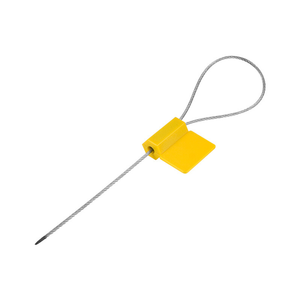
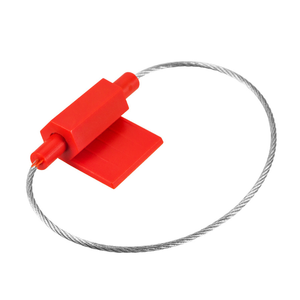
Before diving into best practices, it’s important to understand what cable seals are and how they work. A cable seal is a tamper-evident locking mechanism made of strong wire or metal cable, which is designed to secure containers, doors, trailers, or storage units. These seals are adjustable, meaning they can fit various container sizes, and they feature a locking mechanism that is resistant to tampering and unauthorized access.
Cable seals are typically used in industries such as logistics, shipping, and transportation, where securing valuable goods during transit is paramount. They come with unique identification numbers or barcodes for traceability, making it easy to monitor shipments in real-time and verify their security.
Why Use Cable Seals in Shipping and Storage?
The main reason to use cable seals in shipping and storage is security. These seals offer several advantages that make them an ideal choice for protecting goods during transit. Some of the benefits include:
Tamper-Evident Protection: If a cable seal is compromised or removed, it will show visible signs of damage, making it easy to detect tampering.
Durability: Made from strong materials such as stainless steel, cable seals are resistant to cutting, corrosion, and weathering, ensuring that they remain intact in harsh environments.
Compliance: For businesses involved in international shipping, cable seals often meet industry regulations, such as those set by the World Customs Organization (WCO), to ensure the integrity of goods during border crossings.
Customizable Fit: Cable seals can be adjusted to fit a wide range of container sizes, from large shipping containers to smaller storage units.
Best Practices for Using Cable Seals in Shipping and Storage
To ensure that your cable seals are effective in securing your goods, it’s essential to follow best practices. Proper application and handling of cable seals can prevent damage, ensure compliance with regulations, and increase the overall security of your shipments. Below are some of the best practices for using cable seals in shipping and storage.
1. Choose the Right Type of Cable Seal
The first step in using cable seals is selecting the appropriate type for your specific needs. Not all cable seals are created equal, and choosing the right one will depend on several factors, including:
Security Level: High-security cable seals are ideal for valuable or sensitive shipments. They are designed to withstand tampering and are often required for international shipments.
Environment: If your shipments are going to be exposed to harsh conditions, such as extreme temperatures or humidity, you should select cable seals that are resistant to corrosion and weathering.
Size and Fit: Since cable seals are adjustable, it’s essential to choose one that can fit the specific size of the container or storage unit you’re securing. Make sure the seal is neither too loose nor too tight.
2. Proper Installation of the Cable Seal
Proper installation of the cable seal is crucial to ensuring that it provides effective security. Follow these steps when installing a cable seal:
Insert the Cable into the Locking Mechanism: Begin by threading the metal cable through the seal’s locking mechanism. Make sure the cable is firmly secured and not twisted or damaged during the process.
Adjust the Cable Length: Adjust the length of the cable to ensure that it fits snugly around the container, door, or storage unit. The seal should not have excess slack, but it should not be over-tightened either. A tight fit ensures that the seal remains secure throughout transit or storage.
Lock the Seal: Once the cable is adjusted to the proper length, pull the cable tight to lock the mechanism in place. The locking mechanism should click into position, securing the cable seal.
Record the Seal Number: Each cable seal comes with a unique identification number or barcode. Be sure to record this number and associate it with the shipment for tracking and security purposes.
3. Inspect the Cable Seal Regularly
Once the cable seal is applied, regular inspection is necessary to ensure that it remains intact and has not been tampered with. Before shipment or during storage, conduct a visual inspection of the seal to check for:
Visible Signs of Tampering: Look for any evidence that the seal has been cut, damaged, or tampered with. If you notice any irregularities, replace the seal immediately and report the issue to the appropriate authorities.
Corrosion or Wear: Inspect the cable for signs of corrosion, rust, or fraying. If the cable shows any signs of wear, it may be vulnerable to tampering and should be replaced.
4. Use Cable Seals That Meet Industry Standards
Many industries, particularly those involved in international shipping, require the use of high-security cable seals that meet certain industry standards. For example, the World Customs Organization (WCO) has established guidelines for the use of high-security seals to prevent the tampering or theft of goods during border crossings.
When choosing a cable seal for your shipments, ensure that it meets the necessary regulatory standards. This will help ensure that your cargo complies with customs and shipping regulations, reducing the risk of delays or penalties.
5. Train Staff in Proper Use and Handling of Cable Seals
Proper training of staff involved in the shipping and storage process is essential for maximizing the security benefits of cable seals. Train your team members on how to correctly apply and remove cable seals, as well as how to detect tampering or damage. Make sure that they understand the importance of recording seal numbers and following procedures for seal installation and inspection.
6. Maintain a Seal Log
For accountability and traceability, it’s essential to maintain a seal log for every shipment or storage unit that is secured with a cable seal. The log should include the following information:
Seal Number: Record the unique identification number or barcode of each cable seal.
Date of Application: Note the date the cable seal was applied to the shipment or storage unit.
Container or Shipment Information: Document the container or shipment details, including the type of goods, destination, and any relevant shipping information.
Inspection Reports: Keep records of regular inspections and any instances of tampering, damage, or issues related to the cable seals.
This log will help you track shipments, ensure compliance, and address any security concerns that arise during transit.
FAQ
Q: Can cable seals be reused?
A: No, cable seals are designed for single-use only. Once the seal has been removed or compromised, it should be replaced with a new seal to maintain security.Q: How do I know if my cable seal has been tampered with?
A: Cable seals are tamper-evident, meaning they will show visible signs of damage if tampered with. Look for broken cables, damaged locking mechanisms, or other irregularities.Q: What type of cable seal should I use for international shipments?
A: For international shipments, it is recommended to use high-security cable seals that meet industry standards, such as those set by the World Customs Organization (WCO).Q: Can cable seals be applied to any container size?
A: Yes, cable seals are adjustable, making them suitable for a wide range of container sizes, from large shipping containers to smaller storage units.