- Home
-
- Industries
-

Choosing Between A Bolt And Cable Seal
Views: 0 Author: Site Editor Publish Time: 2026-06-12 Origin: Site


Securing high-value freight isn't merely about deterring casual theft. It is about providing irrefutable tamper evidence and maintaining strict regulatory compliance across complex supply chains. You need a solution robust enough to withstand harsh transit environments. Procurement and logistics managers often default to the highest strength rating available on the market. However, choosing between a bolt seal and adaptable Cable Seals fundamentally comes down to hardware compatibility, global compliance mandates like C-TPAT, and internal handover processes. Making the wrong choice frequently leads to customs delays, damaged locking mechanisms, or compromised audit trails. This article provides a transparent, technical framework to evaluate your specific security options. You will learn exactly which format aligns best with your shipping container types. We will detail how to match these devices directly to your transit routes and organizational security protocols.
Key Takeaways
Hardware dictates the format: Bolt seals require closely aligned, rigid locking hardware, whereas cable seals offer flexible routing for misaligned or non-standard latches.
Compliance requires specific specs: For international C-TPAT compliance, bolt seals inherently qualify, but cable seals must have a diameter of at least 5mm to meet ISO 17712 "H" (High-Security) standards.
Tamper-evidence mechanisms differ: High-quality bolt seals rely on anti-spin locking bodies, while premium cable seals utilize non-preformed wire that irreversibly frays when cut.
Process outweighs product: The most robust seal fails without a strict verification logging system (e.g., the VVTT method) during transit handovers.
Fundamental Mechanics: How Each Seal Deters Tampering
Understanding the mechanical differences between security formats is the first step in protecting your cargo. Both options provide excellent physical barriers. However, they stop unauthorized access using entirely different engineering principles.
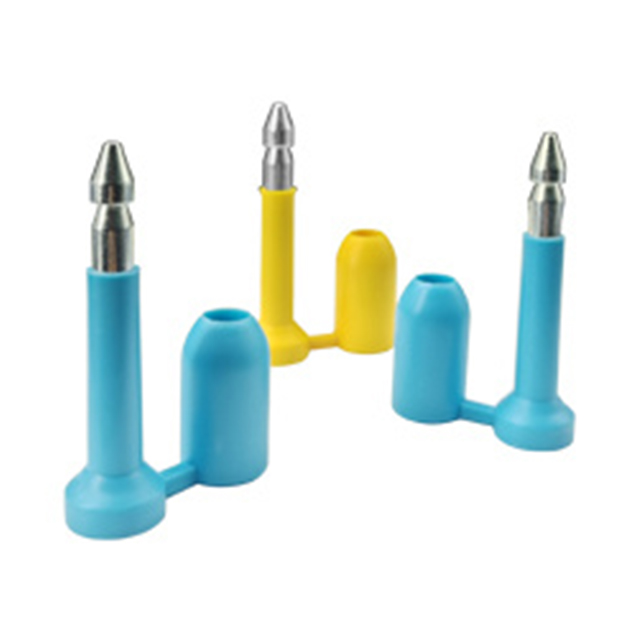
Anatomy of a Bolt Seal
A standard rigid locking device operates via a hardened steel pin. You insert this pin into a corresponding locking bush or barrel. The interior of this barrel contains precision-engineered ball bearings or locking collets. Once the pin pushes past these internal components, they snap into a designated groove on the steel shaft. This action creates a permanent dead-lock. You cannot reverse it without completely destroying the device.
When selecting this rigid format, you must look for an "Anti-Spin" design. Sophisticated thieves often attempt to defeat basic locking mechanisms using high-speed rotational friction tools. They spin the pin rapidly to wear down the internal ball bearings until the device slips open smoothly. Anti-spin features lock the pin and barrel into a fixed alignment. They prevent the two components from rotating independently, effectively neutralizing friction-based attacks without leaving obvious burn marks or metal shavings.
Anatomy of Cable Seals
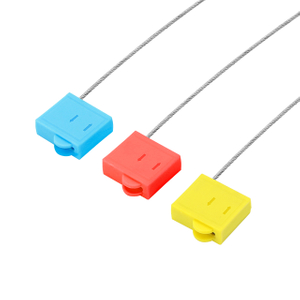
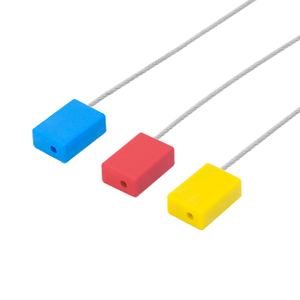
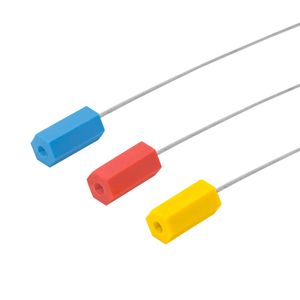
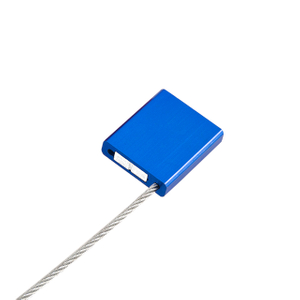
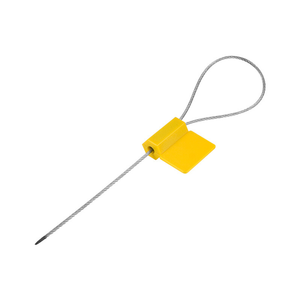
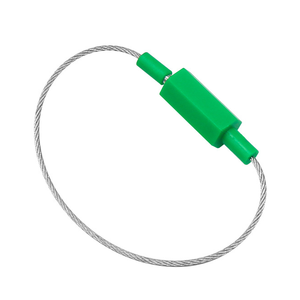
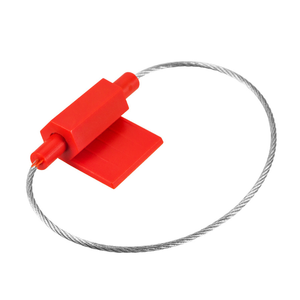
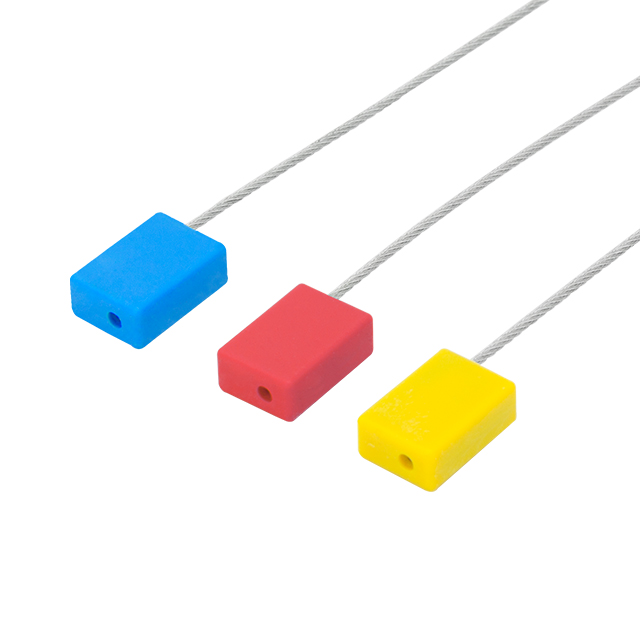
Unlike rigid pins, a flexible device features a variable-length metal wire pulled through a one-way aluminum or steel locking body. Inside the mechanism, an internal gear or locking jaw allows the wire to pass in only one direction. Once you pull it tight, it cannot slide backward.
The core security feature of premium Cable Seals lies in the metallurgy of the wire itself. Manufacturers build them using "non-preformed" steel wire. Ordinary steel wire retains its twisted shape when severed. If unauthorized personnel cut a standard wire, they might attempt to superglue the clean ends back together. Non-preformed wire is structurally different. It remains under high tension. If a thief cuts the cable, the wire instantly frays and splays outward in multiple directions. It becomes physically impossible to re-thread the frayed strands into the locking mechanism or disguise the breach.
Hardware Compatibility and Application Scenarios
You cannot make a deployment decision based on tensile strength alone. Hardware geometry ultimately dictates which security format you can successfully install on your fleet.
When to Deploy Bolt Seals
Rigid pins are highly specialized. They demand precise physical conditions to function correctly.
Ideal Fit: They work perfectly on standardized ISO shipping containers and heavy-duty trailer doors. These assets feature sturdy locking hasps positioned in close proximity. When container doors align correctly, the rigid pin drops smoothly through the overlapping latches.
Limitations: You cannot force a rigid steel pin into bent, damaged, or misaligned latches. If older fleet assets feature warped doors, hammering a pin into place can damage the internal locking collets. This compromises the tamper evidence and might cause the mechanism to fail mid-transit.
When to Deploy Cable Seals
Flexible routing solves the physical limitations of rigid pins. It provides operational versatility for unconventional cargo configurations.
Ideal Fit: You deploy them to secure irregular hardware, tanker valves, and rail cars. They excel when you need to secure multiple locking points simultaneously via looped routing. Standard lengths, such as 300mm, provide a wide margin for error. They easily bridge the gap between misaligned latches on aging fleet assets.
Risk Consideration: Flexibility introduces a unique vulnerability. Operators must pull the wire completely tight against the locking hasp. Leaving excess slack provides dangerous leverage points. Thieves can twist tools into the slack to break the locking body. A tight loop denies them this physical advantage.
Security Ratings and Global Compliance Standards (ISO 17712 & C-TPAT)
International borders require standardized security protocols. Customs agencies do not evaluate devices based on visual bulk. They rely on strict, globally recognized physical testing frameworks.
Understanding ISO 17712 "H" (High-Security) Requirements
To qualify for international freight applications, products must survive rigorous independent laboratory testing. The ISO 17712 classification system assigns an "H" (High-Security) rating only if the device withstands extreme mechanical stress. The testing protocols measure three critical failure thresholds.
Test Category
ISO 17712 "H" Minimum Requirement
Practical Implication
Tensile Strength
1000 kg (10 kN)
Resists severe direct pulling forces and crowbar leverage.
Shear Strength
340 kg (3.33 kN)
Defeats basic hand-held cutting tools and standard pliers.
Impact Resistance
40.7 kg (at specified temperatures)
Survives heavy blows from hammers, even in freezing weather.
Bolt Seal Compliance
Because they consist of hardened steel shafts and heavy-duty locking barrels, most standard steel models naturally meet and exceed the "H" rating. High-end versions routinely provide up to 1750kg of breaking strength. Using a certified bolt seal virtually guarantees compliance for cross-border transit.
Cable Seal Compliance Nuance
You must exercise caution when sourcing flexible options. Not all models qualify as high-security. To meet the stringent C-TPAT and US Customs and Border Protection (CBP) standards, the device must feature specific dimensions. A flexible wire must typically have a diameter of 5mm or greater to pass the 1000kg tensile test. Thinner options, ranging from 1.5mm to 3.5mm, classify strictly as indicative or medium-security devices. They provide excellent visual tamper evidence but fail to meet international border compliance rules.
Implementation Realities: Avoiding the "Overbuying" Trap
Procurement departments frequently fall into the trap of assuming maximum strength equals optimal efficiency. Applying maximum security to every single shipment drains resources and slows down warehouse operations.
Assessing True Risk
Logistics teams often overbuy high-security devices for domestic, low-value, or internal transfer routes. If a truck simply moves raw paper materials between two regional facilities, paying a premium for an ISO 17712 rated device wastes operational budget. High breaking strength is technically unnecessary when the primary goal is simple route auditing.
The Cost of Complexity
Heavy-duty hardware requires heavy-duty removal tools. You need 24-inch bolt cutters, specialized cable cutters, or hydraulic shears to sever a 5mm steel wire or a hardened steel pin. Requiring warehouse staff to use heavy industrial cutters 50 times a day creates significant operational bottlenecks. It also introduces major safety hazards, such as flying metal shards or repetitive strain injuries. You must match the hardware to the operational reality of your receiving dock.
Decision Framework Matrix
We recommend using a tiered approach to hardware selection. This aligns your security levels directly with your actual shipping risks.
Route Profile
Hardware Recommendation
Strategic Rationale
International / Cross-border
ISO 17712 High-Security Bolt or >5mm Cable Seals
Mandatory for C-TPAT compliance and clearing customs checkpoints smoothly.
Domestic / Irregular Hardware
3.5mm–5mm Cable Seals
Provides an optimal balance of robust security and physical usability for older fleets.
Internal / Low-Risk Distribution
Plastic indicative seals
Delivers highest operational efficiency. Fast application and easy removal by hand.
Operational Execution: Logging, Tracking, and Handover Checks
The most advanced physical barrier remains useless without a rigorous administrative protocol. Tamper-evident hardware exists primarily to support your audit trail.
The Vulnerability of Interchangeable Parts
A known industry risk with basic two-piece hardware involves poor inventory control. If poorly trained staff leave boxes of spare pins and barrels unsecured, an internal bad actor can exploit this. They might sever the original pin, remove goods, and lock the container using a visually identical spare pin. If the receiving facility only checks the color and shape—rather than the engraved numbering—the breach goes unnoticed. Controlling inventory access is just as critical as the lock itself.
Digital Integration
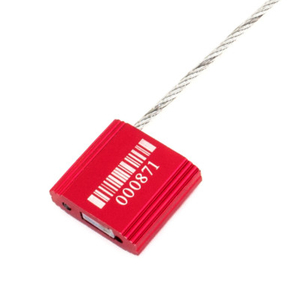
Modern supply chains demand precise visibility. Both rigid and flexible formats now support advanced digital tracking. Manufacturers apply laser-engraved sequential numbering to ensure duplicate numbers never exist. Furthermore, you can source models featuring 2D barcodes or integrated RFID chips. You should tie these digital markers directly into your Warehouse Management Systems (WMS). When gate operators scan the device, the WMS instantly flags route anomalies or numbering mismatches.
Standardizing the Inspection Process (The VVTT Method)
Transit handovers represent the weakest link in logistics security. You must train receiving staff to inspect incoming hardware aggressively. Visual checks alone fail to detect sophisticated tampering. We recommend implementing the industry-standard VVTT method during every single handover.
Verify: Match the laser-engraved serial number physically present on the device against the shipping manifest and digital WMS records. Look for mismatched numbers between the pin and the barrel.
View: Inspect the outer plastic casing carefully. Look for stress-whitening, melted plastic, or heat marks. These indicate someone attempted to pry or burn the mechanism open.
Tug: Pull downward firmly on the locking mechanism. You must ensure the internal locking collet remains fully engaged. Sometimes thieves reinsert a cut pin loosely to simulate a locked state.
Twist: Attempt to rotate the device by hand. If it spins freely despite featuring an anti-spin design, someone has already defeated the internal ball bearings using friction tools.
Conclusion
The choice between a rigid pin and a flexible wire is rarely about which option is fundamentally stronger. It is about identifying structural compatibility with your container latches and ensuring legal compliance across your specific shipping routes. Selecting the proper format minimizes customs friction while drastically reducing hardware damage during transit.
Take these actionable next steps to secure your fleet:
Audit your current container fleet specifically for latch alignment and wear.
Review your primary routes to confirm international customs requirements (such as C-TPAT mandates).
Verify your receiving facilities possess the correct industrial cutting tools to safely sever your selected high-security models.
Implement mandatory VVTT training for all gate operators handling inbound freight.
FAQ
Q: Can cable seals be used for international C-TPAT shipping?
A: Yes, provided the cable diameter is 5mm or thicker and explicitly carries an ISO 17712 "H" (High-Security) certification. Thinner models will fail to meet the rigorous tensile strength requirements mandated by international customs authorities.
Q: What is an "anti-spin" feature on a bolt seal?
A: It is a structural design that locks the pin and barrel together so they cannot rotate independently. This critical feature neutralizes friction-based tampering attacks that attempt to wear down the internal locking mechanism using high-speed rotational tools.
Q: Why do some cable seals fray when cut?
A: High-security models use non-preformed steel. When severed, the internal tension releases immediately, causing the wire strands to unravel instantly. This acts as irrefutable visual evidence of tampering and prevents thieves from gluing the wire back together.
Q: Is a bolt seal always better than a plastic seal?
A: No. A seal's primary job is to provide visual tamper evidence. For low-value domestic transit, heavy metal formats introduce unnecessary costs and slow down the unloading process compared to highly efficient indicative plastic models.