- Home
-
- Industries
-

High-Security Cable Seals Vs. Regular Seals: Key Differences Explained
Views: 0 Author: Site Editor Publish Time: 2026-03-03 Origin: Site


In today’s globalized world, logistics and transportation are vital for ensuring that goods reach their destination safely and securely. For businesses, protecting their shipments from theft, tampering, or damage is essential, and one of the most effective tools to achieve this is using seals. However, not all seals are created equal. Two commonly used types of seals in the logistics industry are high-security cable seals and regular seals.
Understanding the differences between these two types of seals is critical to choosing the right security solution for your cargo. In this article, we will explore the key differences between high-security cable seals and regular seals, and help you understand why one might be more suitable for your specific needs.
What Are High-Security Cable Seals?
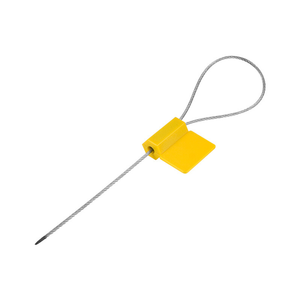
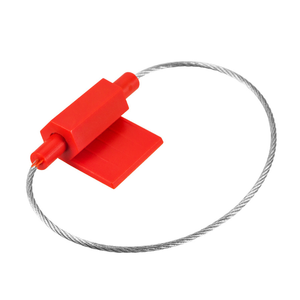
A high-security cable seal is a robust, tamper-evident security solution designed to secure containers, trailers, and cargo during transit. It typically consists of a metal cable that passes through a locking mechanism. Once the cable is tightened, it locks into place, preventing access to the contents of the shipment. The seal is also marked with a unique identification number for traceability, and any attempt to tamper with the seal will leave visible signs, making it easy to detect unauthorized access.
High-security cable seals are specifically designed to meet international standards for high-security cargo transport. They offer enhanced protection against theft and tampering, making them ideal for high-value shipments, such as electronics, pharmaceuticals, and sensitive goods.
What Are Regular Seals?
Regular seals refer to more basic sealing mechanisms that are used in a wide range of applications, from securing containers and doors to preventing unauthorized access. These seals come in a variety of forms, including plastic seals, metal wire seals, and adhesive seals. Regular seals are typically less complex and less secure compared to high-security cable seals, offering a basic level of protection against casual tampering or unauthorized access.
While regular seals are more affordable and commonly used in low-risk shipments, they do not provide the same level of security as high-security cable seals. These seals are often used in situations where the threat of tampering is low, or when shipments are not carrying particularly high-value goods.
Key Differences Between High-Security Cable Seals and Regular Seals
Now that we understand what high-security cable seals and regular seals are, let’s dive into the key differences that set them apart in terms of security, durability, cost, and applications.
1. Security Level
The most significant difference between high-security cable seals and regular seals is the level of security they provide. High-security cable seals are designed to resist cutting, tampering, and unauthorized access. They are made from high-strength materials, such as stainless steel, and feature a locking mechanism that is difficult to bypass. The cable is adjustable to fit different container sizes, providing a custom-fit seal that can’t be easily manipulated.
In contrast, regular seals are generally less secure and are often made from plastic or low-strength metals. While they provide some level of protection, regular seals can be cut or broken more easily, making them suitable for low-risk applications but less effective in high-risk scenarios.
2. Durability
High-security cable seals are built to withstand harsh environments. They are resistant to moisture, extreme temperatures, and corrosion, making them ideal for international shipments that may be exposed to challenging conditions. Whether you’re transporting goods via sea, land, or air, these seals are designed to hold up in various weather conditions, ensuring long-lasting security for your cargo.
Regular seals, on the other hand, may not offer the same level of durability. While they can be effective in dry, controlled environments, they are generally not as resistant to weathering, corrosion, or extreme conditions. As a result, they may not be suitable for long-duration shipments or goods that are exposed to the elements.
3. Tamper-Evidence
One of the primary features of high-security cable seals is their tamper-evident design. If someone attempts to cut, remove, or manipulate the seal, it will show visible signs of damage, such as a broken cable or a compromised locking mechanism. This makes it easy to detect when a shipment has been tampered with, enabling businesses to take appropriate action to secure the cargo.
While regular seals also feature basic tamper-evident characteristics, they are not as reliable or robust as high-security cable seals. Regular seals may break or show minor signs of tampering, but they may not offer the same level of clear evidence of unauthorized access. As a result, high-security cable seals are preferred for valuable or sensitive shipments where the detection of tampering is crucial.
4. Compliance with International Regulations
High-security cable seals are often required to meet international standards and regulations. For example, the World Customs Organization (WCO) has established standards for high-security seals that are used on containers and shipments crossing international borders. These standards ensure that the seals provide a high level of protection against theft and tampering, which is essential for maintaining the integrity of global supply chains.
Regular seals, while useful for basic security, do not always meet these international standards. They may not offer the level of protection required by regulatory bodies for high-risk shipments. Businesses involved in international trade often choose high-security cable seals to comply with customs requirements and avoid potential penalties.
5. Ease of Use
When it comes to ease of use, regular seals tend to be simpler and quicker to apply. They are often designed for single-use applications and can be easily secured without the need for special tools or training. This makes them a convenient option for businesses that require a fast and cost-effective solution for securing shipments.
High-security cable seals, on the other hand, may require a bit more effort to apply. The process of threading the cable through the locking mechanism and tightening it to the right length can be time-consuming. However, this extra effort is well worth the added security, especially for high-value or high-risk shipments.
6. Cost
Regular seals are generally more affordable than high-security cable seals. Because they are made from simpler materials and are less complex in design, regular seals can be purchased in bulk at a lower cost. This makes them a popular choice for businesses with lower security needs or for applications where cost is a primary concern.
While high-security cable seals are more expensive due to their advanced materials and features, they provide a higher level of protection and peace of mind. For businesses that are transporting valuable, sensitive, or high-risk goods, the additional cost of high-security cable seals is justified by the enhanced security they provide.
When to Choose High-Security Cable Seals vs. Regular Seals
The decision to use a high-security cable seal or a regular seal depends on several factors, including the nature of the shipment, the level of risk, and regulatory requirements. Here are some scenarios where each type of seal might be appropriate:
High-Security Cable Seals:
Used for high-value shipments (electronics, pharmaceuticals, jewelry)
Required for compliance with international regulations (e.g., WCO standards)
Ideal for shipments exposed to harsh environments (ocean transport, extreme weather)
Preferred for securing sensitive goods that must be protected from tampering
Regular Seals:
Suitable for low-risk shipments with minimal value
Ideal for short-distance or domestic shipments
Used for non-critical items that do not require heavy-duty security
Convenient and cost-effective for businesses with tight budgets
Conclusion
High-security cable seals and regular seals each serve a valuable role in securing shipments, but they are designed for different types of cargo and security needs. While regular seals may suffice for low-risk shipments, high-security cable seals offer unmatched durability, tamper-evident protection, and compliance with international regulations for high-value, high-risk shipments.
At Foshan Shunde Junyue Plastic Hardware Products Co., Ltd., we provide a wide range of high-security cable seals and other security products designed to meet the diverse needs of businesses across various industries. Whether you are shipping valuable goods or simply need to ensure the security of your shipments, we have the right solution for you.
FAQ
Q: How do I know if my high-security cable seal has been tampered with?
A: A high-security cable seal will show visible signs of tampering, such as a broken cable or damaged lock, if someone attempts to access the shipment without authorization.Q: Are regular seals suitable for high-risk shipments?
A: No, regular seals provide basic security and are not designed for high-risk shipments. For high-value or sensitive cargo, high-security cable seals are recommended.Q: Can high-security cable seals be reused?
A: No, high-security cable seals are designed for single-use only. Once the seal is broken, it must be replaced with a new one for continued security.Q: Are high-security cable seals expensive?
A: While high-security cable seals are more expensive than regular seals, they offer enhanced protection, making them a cost-effective choice for businesses that need reliable security for valuable shipments.