- Home
-
- Industries
-

How Do You Install A Bolt Seal?
Views: 0 Author: Site Editor Publish Time: 2026-07-17 Origin: Site


Improper seal installation is never just a minor operational error on the dock. It stands as a direct cause of immediate customs rejections, widespread cargo theft, and completely invalid insurance claims. Cross-border shipping regulations demand strict adherence to C-TPAT and ISO 17712 compliance standards. Because of this, securing your freight correctly remains an absolute priority. Every warehouse and logistics team must understand exactly how high-security seals function to maintain total cargo integrity. Without a standardized installation protocol, global supply chains remain incredibly vulnerable to unnoticed tampering and costly port delays. This comprehensive guide outlines the rigorous, enterprise-standard operating procedure (SOP) you need. We detail the exact steps for applying, verifying, and safely removing your security hardware. You will learn how to protect your shipments effectively and streamline customs clearance.
Key Takeaways
Correct installation requires a tactile and auditory confirmation ("click" and "pull-test") to ensure the locking mechanism is permanently engaged.
Matching serial numbers on both the pin and the barrel prior to application is a non-negotiable step to prevent pre-tampering.
Placement matters: specific regulations dictate exactly which door and which locking rod a container bolt seal must secure.
Safe removal requires heavy-duty bolt cutters and specific safety protocols (PPE) to avoid injury from flying metal.
The Business Stakes of Proper Seal Application
Securing cargo goes beyond simply closing heavy steel doors. Installing a Bolt Seal constitutes a highly critical compliance event. International frameworks dictate strict usage rules. Standards like ISO 17712:2013 and C-TPAT guidelines mandate "High Security" grade devices for all cross-border freight. These specific devices undergo extreme laboratory testing. They must pass severe shear, impact, and tensile strength evaluations. Using certified hardware protects your freight against aggressive physical attacks.
When you install these locks incorrectly, the cascading effects devastate supply chain timelines. A poorly applied lock instantly invites unauthorized access. It compromises the entire documented chain of custody. You face massive port delays almost immediately. Customs officials routinely flag unsecured freight for manual inspections. These inspections cost money and ruin delivery schedules. Furthermore, financial liability quickly shifts directly to your organization. If security appears breached during freight handoffs, insurance companies often deny loss claims.
Physical installation represents only half the required job. You must execute precise, matching documentation. The security procedure remains completely invalid until you log the data correctly. You must record the exact alphanumeric sequence on the Bill of Lading (BOL). You also need to record this sequence on the primary shipping manifest. This paperwork directly proves your cargo remained safely sealed from origin to destination. Discrepancies between physical hardware and paper manifests trigger immediate border holds.
Pre-Installation Checklist: Verifying Your Hardware
You cannot apply a security lock blindly and expect optimal protection. You must verify your hardware thoroughly before taking any action. The following inspection checklist ensures your devices are fully functional. It also prevents teams from using compromised components.
Hardware Inspection
Instruct your team to visually inspect the device for manufacturer defects. Look closely for pre-scoring marks on the metal pin. Thieves sometimes cut the pin partially before shipment. They do this to break the lock easily later. These marks indicate severe potential pre-tampering. You should discard any unit showing unusual wear. Reject units missing their protective plastic covers. A pristine outer shell acts as the first line of defense.
Serial Number Matching
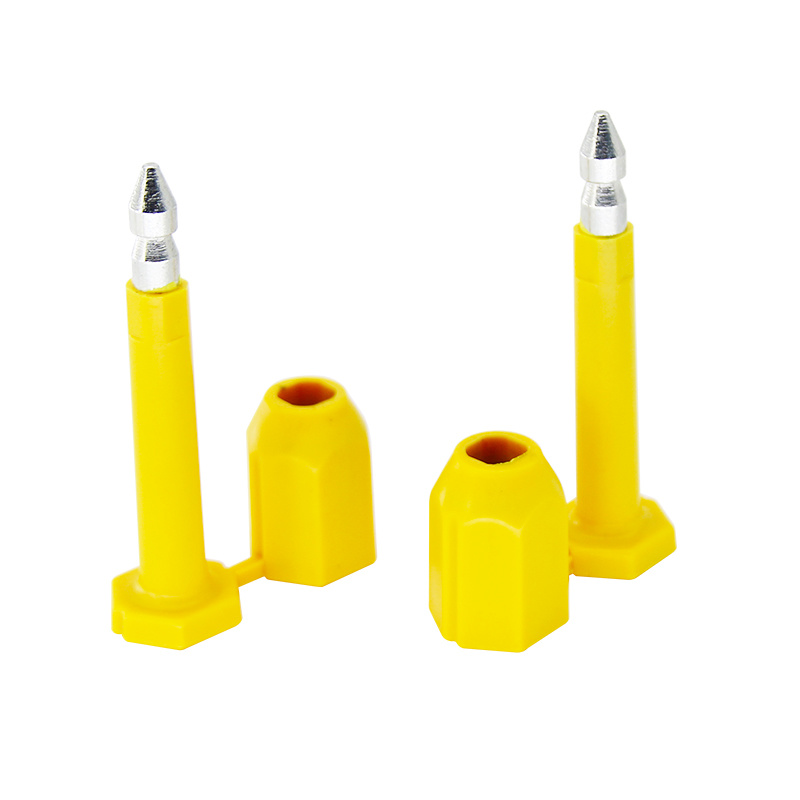
This verification step remains absolutely non-negotiable. You must confirm the serial number on the metal pin perfectly matches the locking barrel. High-security locks always feature twin identical numbers. Criminals sometimes swap barrels to mask an illicit entry. If the two numbers differ even slightly, do not use them. Report the mismatched set to your security supervisor immediately.
Hardware Alignment
Identify the specific locking groove machined onto the metal pin. Note the physical orientation required before you attempt insertion. Proper alignment ensures the internal locking ring bites down correctly. Forcing the pin at awkward angles can damage the internal spring mechanism. A damaged spring might feel secure initially. However, it can vibrate loose during a long ocean transit.
Door Hardware Check
Inspect the structural integrity of the actual container doors. Check the main locking handles closely. Examine the hasps and heavy steel rivets. The strongest lock fails entirely if criminals can simply remove the door handle. Ensure the door itself remains completely uncompromised. Rust, loose bolts, or fresh weld marks indicate structural vulnerabilities. You must secure the container itself before applying any secondary lock.
How to Install a Bolt Seal: Standard Operating Procedure
Executing a flawless installation takes only a few precise seconds. However, this simple process requires strict adherence to physical checks. Follow this enterprise-standard procedure every single time. Consistent execution prevents costly mistakes.
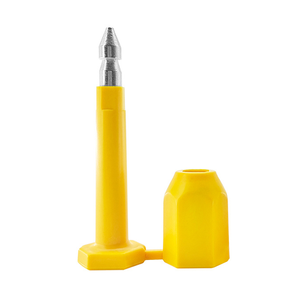
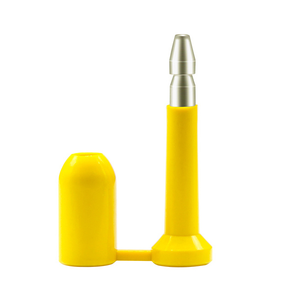
Positioning: First, guide the metal pin securely through the hasp or keeper. Do this on the designated container door. Ensure the flat base sits flush against the metal plate. It should not snag on the edges.
Engagement: Push the locking barrel firmly onto the protruding pin. Continue applying steady pressure until you hear a distinct, sharp "click". This clear auditory sound confirms initial internal engagement. Do not stop pushing until you hear it.
The Pull-Test (Crucial): You must physically pull down heavily on the barrel. This mandatory test confirms the internal locking ring has permanently bitten into the groove. Without this vital test, your container bolt seal might just sit loosely. A loose device invites immediate theft.
The Spin-Test: A correctly installed device should spin freely within the hasp. Rotate the plastic barrel using your fingers. If it binds heavily or feels glued, criminals may have compromised it. They sometimes use strong adhesives to fake an intact lock.
Photographic Evidence: Finally, take a clear, timestamped photo of the secured hardware. Ensure the stamped serial numbers read perfectly clear in the image. Store this photo digitally to protect your corporate liability later. Photos resolve disputes quickly.
Placement Rules: Where to Secure Your Cargo
Where you place the device determines its overall effectiveness. Specific rules govern different types of global freight transport. You must memorize these exact placement rules to maintain strict compliance. Putting a lock on the wrong handle renders it useless.
Ocean Containers
Mandated international rules govern ocean freight security. You must always lock the right-hand door. This door overlaps the left door. Therefore, it opens first. Place the lock securely on the Secura Cam. If a Secura Cam is absent, use the innermost locking rod handle. This specific placement physically blocks the primary access point. Customs officials will reject containers locked on the wrong door.
Over-the-Road Trailers
Security protocols differ slightly for overland domestic transport. Applying a truck bolt seal requires specific trailer knowledge. Secure it directly on the trailer door roll-up latches. For standard swing-door trailers, apply it to the main swing-door hasps. Ensure the lock hangs naturally without binding against the trailer frame. A binding lock can snap during heavy road vibration.
Regulatory Updates
Ports and customs authorities frequently update placement rules worldwide. You might suddenly face "Effective Immediately" placement mandates from local ports. They often issue these rules to combat new smuggling techniques. Always advise your logistics teams to verify current local port requirements. They must do this before dispatching any freight to the terminal.
Cargo Placement Standards Comparison
Transport Type
Required Door
Target Hardware
Primary Function
Ocean Containers
Right-hand door
Secura Cam / Innermost rod
Block primary first-open door.
Over-the-Road Trailers
Main access door
Roll-up latches / Swing-door hasp
Secure overland road transit against theft.
Post-Journey Verification and Safe Removal
A shipment’s journey ends safely only after proper verification and safe removal. Rushing this final phase ruins the established chain of custody. You must follow strict, deliberate protocols when opening secured freight.
Arrival Inspection
Never cut a lock blindly upon arrival. Conduct a thorough tamper-evident checklist first. Inspect the device carefully for 3D printing replicas. Criminals sometimes print fake barrels to hide a break-in. Look closely for superglue residue around the pin entry. Compare the physical serial numbers directly against the BOL. If they mismatch entirely, halt everything immediately. Call port security before proceeding.
Required Tools
You need specific heavy equipment for safe removal. Always use 24-inch to 36-inch heavy-duty cutters. Standard wire cutters or hacksaws prove highly ineffective against hardened steel. They also create dangerous slipping hazards during aggressive use. Workers can easily injure their wrists trying to force improper tools. Keep authorized cutting tools in a locked maintenance cabinet.
Safety Protocols
High-security steel holds immense tension when locked. When cut abruptly, metal pieces often fly outward at high speeds. Always wear durable safety glasses to protect against metal shrapnel. Use heavy industrial gloves to protect your hands. The severed steel pin leaves incredibly sharp edges. Clear the immediate area of bystanders before you attempt the cut.
Disposal
Do not just throw cut pieces into an open warehouse bin. You must permanently destroy or safely discard cut devices. Smugglers sometimes collect discarded barrels to fraudulently reuse them. They copy active serial numbers to facilitate future cargo theft. Establish a secure disposal protocol. Crushing the remaining plastic barrels ensures nobody can reuse them illicitly.
Conclusion
Securing your freight demands immense precision and constant awareness. Installing your security hardware acts as the final barrier between your valuable cargo and total loss. Taking a few extra seconds to execute physical checks guarantees compliance. It also protects your bottom line.
Implement mandatory pull-tests and spin-tests across all warehouse locations to confirm locking integrity.
Establish strict photo-documentation policies for every outbound container to protect your organizational liability against false claims.
Audit your current removal tools to ensure teams possess heavy-duty cutters and proper protective safety gear.
You must evaluate your current hardware inventory immediately to confirm ISO 17712 compliance. Do not wait for a security breach to upgrade your protocols. Download a standardized application checklist and post it directly on your warehouse floor. Clear visual instructions empower your workers to maintain perfect compliance every single shift.
FAQ
Q: Are bolt seals easy to install?
A: Yes, they require absolutely no tools to install. You only need to apply physical pressure to engage the mechanism, followed by a mandatory manual pull-test. However, removing them safely requires specialized heavy-duty tools like 36-inch cutters.
Q: Can a bolt seal be reused?
A: No. By design, they function exclusively as single-use, tamper-evident devices. Once you cut the steel pin, the internal locking mechanism becomes permanently destroyed. This intentional destruction prevents criminals from reattaching the lock after unauthorized access.
Q: What happens if a bolt seal breaks in transit?
A: You must follow strict protocol immediately. First, notify your dispatch team and customs authorities about the breach. Next, document the exact breakage using timestamped photos. Finally, apply a new replacement unit and carefully log its secondary serial number on all shipping manifests.
Q: Which door should a container bolt seal go on?
A: Standard compliance rules dictate you must always place it on the right door. Because the right door overlaps the left door, it remains the first door you must open to access cargo. Locking it here secures the entire container effectively.