- Home
-
- Industries
-



Opening a shipping container is more than a quick physical task. It is the critical final step in your secure chain-of-custody process. A properly secured cargo load relies heavily on this final removal phase to maintain its integrity. Poor removal practices create immediate safety hazards. These hazards include flying metal shrapnel and severe physical strain for dock workers. They also introduce major compliance risks. You might destroy vital evidence of tampering or trigger strict C-TPAT violations during an audit.
This guide offers a comprehensive, standardized operating procedure (SOP) for safe removal. We will help fleet managers evaluate necessary tool procurement. You will also learn how to choose the right high security bolt seal for your daily operations. By the end of this guide, you will know exactly how to protect your personnel, speed up receiving dock operations, and secure your global supply chain effectively.
Key Takeaways
Verification precedes action: Always verify the seal number against shipping manifests before attempting removal.
Tool specification matters: Standard hardware-store tools often fail; 24-inch to 36-inch industrial bolt cutters are the baseline requirement.
Safety is mandatory: High-tension steel pins create hazardous snap-back; PPE (safety glasses and gloves) is non-negotiable.
Procurement impact: Difficulty of removal should inform your next purchase—high security bolt seals must balance tamper-evidence with authorized operational efficiency.
The Business Impact of Standardizing Bolt Seal Removal
Chain of Custody Integrity
Logistics companies must document the seal removal process to maintain ISO 17712 and C-TPAT compliance. These international frameworks demand strict control over cargo access. A standard operational procedure ensures every worker handles the lock exactly the same way. When you break a Bolt Seal improperly, you risk destroying forensic evidence. Smugglers and thieves often use sophisticated methods to bypass locks, such as 3D-printed replica barrels or superglue. Standardized removal forces workers to pause, inspect, and log anomalies before they destroy the lock. This step guarantees you can prove the cargo arrived untampered during an audit.
Best Practice: Always photograph the locked mechanism before applying cutting tools, especially if you notice abnormal scratches or discoloration.
Risk Mitigation (Personnel)
Workplace injuries carry significant hidden costs. Inadequate leverage or improper cutting tools directly cause back and shoulder strain. Heavy-duty steel pins require immense mechanical force to sever. If a worker uses a dull or undersized tool, they will forcefully jerk the handles. This jerking motion tears rotator cuffs and strains lower backs. Furthermore, severed steel pins release sudden kinetic energy. This energy turns metal splinters into dangerous projectiles. Standardizing your approach eliminates these risks. You protect your workforce and reduce expensive workers' compensation claims.
Operational Bottlenecks
Delayed container access at receiving docks completely disrupts supply chain timelines. When a driver struggles to cut a lock for ten minutes, the entire dock schedule shifts. Five extra minutes per truck quickly escalates into hours of lost productivity across a busy yard. Yard congestion increases, driver frustration mounts, and unloading teams stand idle. A standardized approach ensures quick, authorized access. Smooth dock operations rely on predictable task durations, and efficient seal removal is a major part of that predictability.
Required Equipment: Sourcing the Right Tools for the Job
Primary Tooling (Bolt Cutters)
Your choice of tool determines the success and safety of the process. Standard consumer-grade cutters lack the necessary leverage. Industrial 24-inch to 36-inch long-handled bolt cutters serve as the industry standard. These long handles multiply the operator's force. This multiplication allows a worker to slice through heavy steel without extreme physical exertion.
Jaw specifications matter just as much as handle length. You must evaluate the hardness of the steel jaws. Look for Chromium-Molybdenum (Cr-Mo) hardened steel jaws. These jaws can easily cut high-carbon steel pins. Cheaper jaws will dent, notch, and dull after just a few uses. Notched jaws require even more physical force, restarting the cycle of injury risk.
Secondary Tooling (Angle Grinders)
You cannot always rely on manual cutters. Sometimes you must deploy cordless angle grinders. These tools are necessary for heavily damaged seals, frozen locking components, or ultra-thick commercial variants. When manual leverage fails, a grinder slices through the pin in seconds.
However, grinders introduce severe risk factors. They produce hot sparks and create fire hazards. This is particularly dangerous if your container sits near combustible cargo, dry brush, or fuel storage tanks. You must implement strict hot-work safety protocols. Keep a fire extinguisher nearby and ensure the operator knows how to control the spark trajectory.
Mandatory PPE
Personal Protective Equipment (PPE) is your last line of defense against injury. Eye protection is mandatory. Shattered steel pins create high-velocity metal splinters. Operators must wear ANSI Z87.1 rated safety glasses or face shields. Additionally, heavy-duty cut-resistant gloves protect hands from sharp metal edges, pinch points on the cutter handles, and the rough surface of the container door.
Common Mistake: Allowing drivers to use standard leather work gloves instead of rated cut-resistant variants. Leather does not stop sharp metal burrs effectively.
Step-by-Step SOP: How to Open a Bolt Seal Safely
Step 1: Pre-Cut Audit & Inspection
Never rush into cutting. Begin with a thorough visual inspection. You must look for signs of tampering before you destroy the evidence. Check the locking barrel for glue marks, heat discoloration, or tiny drill holes. Log the serial number printed on the pin and the barrel. You must match this number exactly to the shipping manifest.
Locate the seal on the container door latch.
Wipe away any dirt or grease to reveal the serial number.
Compare the number on the manifest with the number on the device.
Document any discrepancies immediately with dispatch or security.
Step 2: Securing the Environment
Environmental stability prevents accidents. Ensure stable footing before you lift heavy tools. This step is critically important in wet, oily, or icy loading dock conditions. Slipping while applying maximum pressure to a pair of 36-inch cutters usually results in severe injury.
Clear the immediate radius around the container doors. Ensure no bystanders, yard spotters, or dock workers stand within ten feet of the cutting zone. If the tool slips or the pin snaps violently, the clear radius protects others from harm.
Step 3: Positioning the Cut
Proper tool positioning guarantees a clean, safe cut. Target the exposed metal pin directly between the locking barrel and the container latch. You must seat the pin deep inside the jaws of the cutter. Cutting near the tip of the jaws damages the tool and requires more effort.
Apply even, continuous pressure to the handles. Squeeze them together steadily. Do not use sudden jerking motions or jump on the handles. Jerking motions cause tool slippage and increase the risk of shoulder injuries. Let the mechanical advantage of the long handles do the heavy lifting.
Step 4: Post-Removal Protocol
Your job does not end when the pin snaps. Proper disposal of the heavy metal components is mandatory. Never drop the severed pieces on the yard pavement. A sharp steel pin easily punctures forklift tires and heavy-duty truck tires, causing expensive yard delays.
Collect both pieces of the destroyed lock immediately. Place them in a designated scrap metal bin or return them to the receiving office. Finally, file the receiving log to confirm authorized entry and close the chain-of-custody loop.
Field Realities: Troubleshooting Common Removal Challenges
Environmental Factors
Extreme weather alters the physical properties of security devices. Winter conditions present unique challenges. Handling frozen seals requires extra caution. Sub-zero temperatures make high-carbon steel extremely brittle. A brittle pin will shatter unpredictably rather than cut cleanly.
If you encounter a frozen lock, do not strike it with a hammer. Blunt force will shatter it and send shrapnel flying. Instead, warm it slightly with gloved hands or apply a localized de-icer. Cut with slow, deliberate pressure to avoid brittle fractures.
The "Spinning Pin" Problem
One of the most frustrating field challenges is the spinning pin. As you squeeze the cutter jaws, the round steel pin rotates inside the locking barrel. This rotation causes the bolt cutters to lose grip and slide off the metal. Drivers lose their balance when the tool slips unexpectedly.
To address this, you can use a secondary tool like heavy-duty locking pliers (Vise-Grips) to hold the barrel steady while cutting. Alternatively, this operational headache should guide your future purchasing decisions toward smarter designs.
Space Constraints
Loading docks are notoriously cramped. Container doors or tight dock configurations frequently limit your operational arc. A 36-inch bolt cutter requires significant horizontal space to open its handles fully. If a trailer parks too close to a wall or another truck, the operator cannot open the tool.
In these tight spaces, you must adapt your tactics. Operators can position the cutter vertically rather than horizontally, using downward body weight to squeeze one handle while the other rests on the ground. If manual tools absolutely cannot fit, you must resort to a cordless angle grinder.
Procurement Evaluation: Choosing the Right High Security Bolt Seal
Balancing Security and Usability
Procurement teams often assume the hardest-to-cut option is automatically the best choice. This assumption ignores ground-level realities. The toughest steel provides maximum security but paralyzes high-volume, fast-turnaround logistics. If every truck takes ten minutes and an angle grinder to open, your supply chain will grind to a halt.
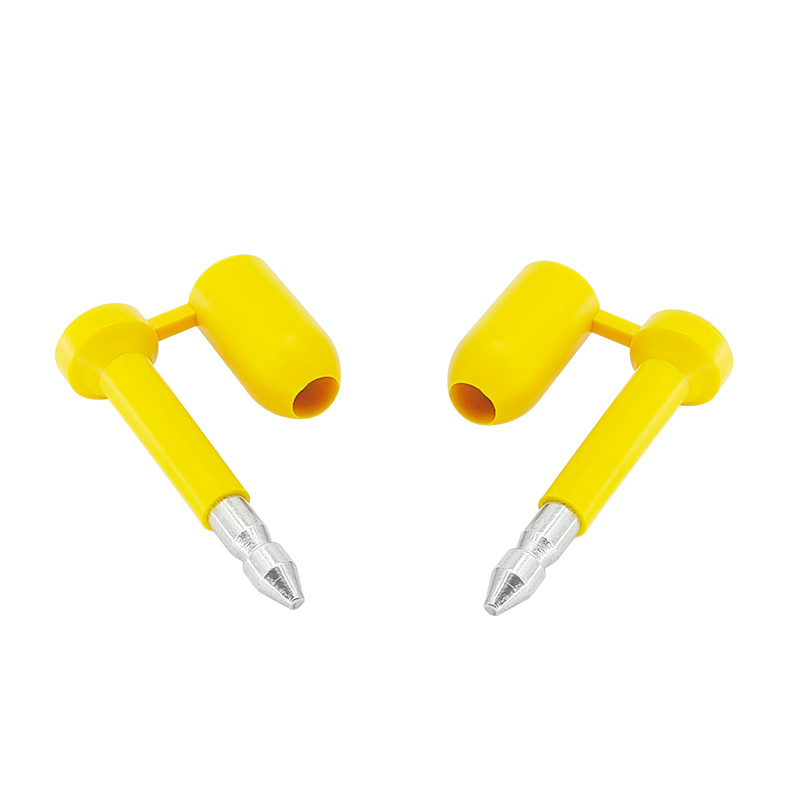
You must balance tamper-evidence with authorized operational efficiency. A well-designed high security bolt seal deters criminals but yields to standard 36-inch industrial cutters. It keeps honest people honest, flags tampering attempts, and keeps dock traffic flowing smoothly.
Feature Set Analysis
Modern security devices offer advanced features designed specifically to solve field challenges. When evaluating new inventory, scrutinize the feature set carefully.
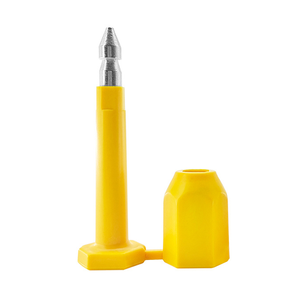
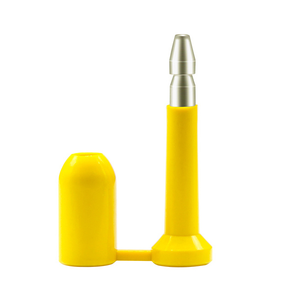
Anti-spin features: Select locks with interlocking or hexagonal barrels. These designs prevent the pin from spinning during authorized cutting, saving time and preventing tool slippage.
Standardized pin diameters: Ensure your chosen device aligns with your fleet's existing bolt cutter inventory. Most standard industrial cutters easily handle 8mm to 10mm pins. Purchasing thicker commercial variants will force you to upgrade all your yard tools.
Plastic casing: High-impact ABS plastic coating provides clear visual evidence of tampering while protecting the steel core from extreme weather.
Feature Category
Standard Round Seal
Anti-Spin Hexagonal Seal
Operational Impact
Shape Design
Smooth, cylindrical barrel
Interlocking hex barrel
Hex shape prevents rotation during cutting.
Cutting Experience
Prone to slipping and spinning
Stable grip for cutter jaws
Reduces physical strain and accident risk.
Tamper Evidence
Basic friction marks
High-visibility plastic cracking
Easier to spot unauthorized manipulation.
Ideal Use Case
Low-volume shipments
High-volume cross-docking
Speeds up receiving yard throughput.
Vendor Trust & Transparency
You must evaluate manufacturers thoroughly before purchasing. Look for vendors who provide transparent material specifications and verifiable testing data. Demand proof of ISO 17712 certification. This certification guarantees the device meets strict international standards for physical strength and tamper evidence. A trustworthy vendor will happily supply compliance letters and material safety data for your auditing records.
Conclusion
Safe bolt seal removal requires tight alignment between ground-level execution and management-level procurement. You cannot expect safe dock operations if workers lack the right tools or standardized training. Establishing a strict SOP protects your personnel from severe injuries. It also safeguards your company against compliance failures and compromised supply chains.
Take action today by reviewing your current fleet tooling. Inspect all bolt cutters for damaged jaws and replace them if necessary. Update your safety SOPs to include mandatory PPE and pre-cut audits. Finally, request sample sets of compliant, anti-spin locks from your vendor. Test them with your existing equipment to find the perfect balance between high-level security and daily operational efficiency.
FAQ
Q: Can I open a high security bolt seal with a hacksaw or hammer?
A: No. ISO 17712 certified seals are designed specifically to withstand blunt force and manual sawing. Attempting this causes injury and delays. High-carbon steel cores will ruin a standard hacksaw blade instantly. Hitting the barrel with a hammer creates dangerous flying shrapnel.
Q: What should a driver do if the seal number does not match the manifest?
A: Stop immediately. Do not cut the seal. Notify the dispatcher and the receiving facility's security personnel to document a potential cargo breach. Photograph the mismatch and wait for a supervisor to authorize the next steps. Cutting it destroys the evidence.
Q: Are there bolt seals that can be removed without heavy tools?
A: No. If a seal can be removed without heavy-duty bolt cutters or grinders, it does not qualify as a high security bolt seal and is unfit for international or high-value shipping. Hand-removable devices are only classified as indicative seals.
Q: How frequently should dispatch replace bolt cutters?
A: Bolt cutter jaws degrade and notch over time. Evaluate jaws quarterly; if drivers report requiring excessive force, it is time to replace the tool. Using dull cutters increases the risk of muscle strain and sudden tool slippage.