- Home
-
- Industries
-

How To Use Plastic Seals Correctly
Views: 0 Author: Site Editor Publish Time: 2026-05-01 Origin: Site


A misapplied tamper-evident seal acts as a massive supply chain liability. It creates a dangerous false sense of security. Meanwhile, your valuable assets remain vulnerable to undetected access. Logistics managers, safety officers, and quality control teams face a harsh reality daily. The physical integrity of any seal relies entirely on your standard operating procedure (SOP). A strong locking mechanism fails instantly if installed incorrectly. We designed this guide to close that operational gap. You will learn the exact engineering behind these devices. We break down an evidence-based framework to simplify material selection. You will also discover proper installation SOPs and strict operational audit protocols. Apply these methods to secure your supply chain effectively.
Key Takeaways
Manage Expectations: A plastic seal provides tamper-evident tracking, not barrier-level theft prevention; success relies on matching the right tensile strength to the application.
Installation Precision: Proper application requires physical and audible verification (the "click" and reverse pull-test) to engage the internal locking mechanism fully.
Audit Continuity: Utilizing laser-engraved serial numbers or barcodes is mandatory for closed-loop security; unlogged seals hold zero evidentiary value.
Risk Mitigation: Trimming excess seal lengths and avoiding over-tightening prevents accidental breakage and minimizes tampering vulnerabilities.
Defining the Operational Boundaries of a Plastic Seal
You must understand product limitations before upgrading your security protocols. Operators often confuse tamper-evident tools with heavy-duty physical barriers. Clarifying this distinction prevents costly supply chain vulnerabilities.
Tamper-Evidence vs. Theft Prevention
These devices function primarily as lightweight identification and evidence tools. They differ fundamentally from heavy-duty ISO 17712 high-security bolt seals. Bolt seals stop break-ins physically. Conversely, a plastic seal acts as a visual tripwire. Its primary function is showing clear, irreversible physical signs of unauthorized access. They tell you if someone breached a container. They do not stop a determined thief wielding bolt cutters.
Understanding Tensile Strength Tiers
Matching tensile strength to your specific use case ensures optimal performance. Over-specifying wastes money. Under-specifying invites accidental breakage. Industry standards divide these products into distinct resistance tiers.
Low-Resistance (approx. 3kg pull): These feature side tear-off mechanisms for manual removal. You can break them quickly without tools. They suit emergency applications perfectly. Medical kits, crash carts, and fire extinguishers typically require this tier to meet NF EN 3 safety standards.
Medium to High-Resistance (8kg to 12kg+ pull): You cannot break these by hand. Removal requires designated cutting tools. These robust models secure transport totes, trailer doors, airline carts, and chemical valves. They withstand significant transport vibration and accidental pulling.
The Engineering of the Lock
The credibility of the device relies on its internal lock architecture. Engineers design these mechanisms to prevent reversing or picking. Most modern models utilize one of two primary technologies. Some use acetal resin notched gears. These rigid plastic teeth bite into the strap progressively. Premium models feature an anti-return metal insert. This angled metal component slices into the softer polymer strap if someone attempts to pull it backward. This structural friction makes non-destructive removal nearly impossible.
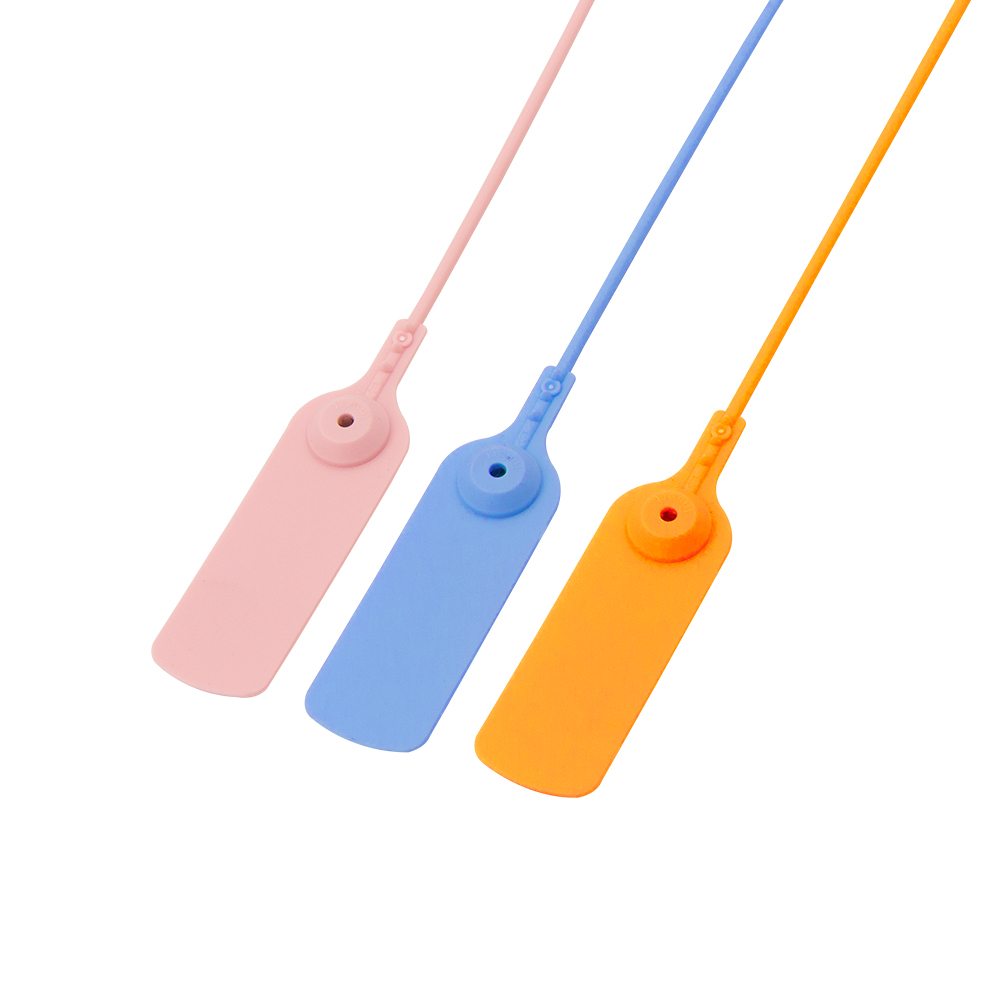
How to Evaluate and Select the Right Plastic Security Seal
Selecting an inappropriate model disrupts your daily operations. A mismatched polymer snaps in the cold. A poor locking style slows down your loading dock. We recommend evaluating your options across three critical dimensions.
Material Compatibility & Environment
Polymers react differently to extreme temperatures, UV exposure, and mechanical stress. Selecting the wrong plastic leads to environmental snapping. This increases your Total Cost of Ownership (TCO) through false-positive tampering investigations.
Material Type
Key Characteristics
Best Use Cases
Potential Weakness
Polypropylene (PP)
Cost-effective, good flexibility at room temperature.
Indoor logistics, short-haul transport, retail totes.
Becomes brittle and snaps in freezing temperatures.
Polyethylene (PE)
Highly flexible, softer, resists cracking in cold.
Cold chain logistics, refrigerated trailers.
Can stretch slightly under high heat.
Nylon
Maximum tensile strength, high weather/UV resistance.
Long-haul outdoor shipping, chemical valves.
Higher initial procurement cost.
Locking Style and Application Speed
Your team's operational velocity depends on the physical design of the strap. Operators process hundreds of assets daily. Minor friction points add up to massive labor costs over time.
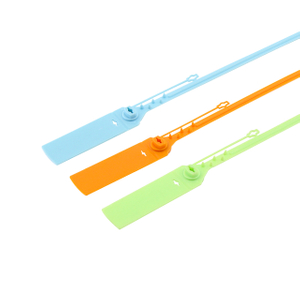
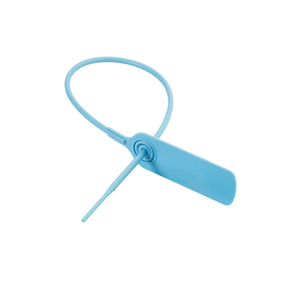
Pull-Tight (Variable Length): These feature a long, flexible tail. You pull them tight like a zip tie. They work best for securing varying neck sizes quickly without tools. Cash bags, mail sacks, and irregular latches require this variable length.
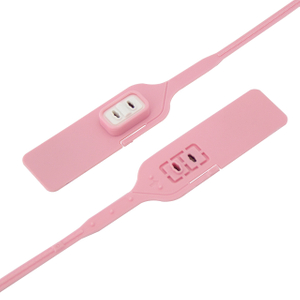
Fixed-Length / Self-Locking: These form a rigid, predetermined loop size. They click together at a fixed point. They work best for truck doors and standard shipping containers. A consistent loop prevents the strap from binding against moving metal hardware during transit.
Data and Audit ROI
A physical lock means nothing without data. You must evaluate the tracking methods embedded on the device tag. Basic sequential numbering provides a baseline for tracking. However, modern supply chains demand higher accuracy. We recommend choosing a Plastic Security Seal featuring laser-engraved barcodes or RFID chips. Laser engraving permanently burns the code into the polymer. This prevents ink-rubbing or physical alteration by malicious actors. It directly supports strict compliance rules and boosts supply chain visibility ROI.
The 5-Step SOP for Installing a Plastic Seal Correctly
A high-quality device fails entirely if human operators apply it poorly. Standardization removes guesswork. We strongly suggest training your logistics team using this five-step SOP. It guarantees consistency across every shift and facility.
Step 1: Prepare and Log (Data Entry)
Never apply the device before logging it. First, inspect the strap and locking chamber for pre-existing manufacturing defects. Look for crushed metal inserts or warped plastic. Next, record the unique serial number in your shipping manifest or digital logbook. You must complete this data entry before threading the strap. Doing this afterward leads to typos and audit failures.
Step 2: Position without Twisting
Proper alignment prevents mechanical failure. Thread the strap through the latch, hasp, or locking aperture carefully. Ensure the strap remains completely flat throughout the process. Twisting the polymer strains the material. It causes internal binding when entering the locking chamber. A flat insertion ensures the teeth grip the strap evenly.
Step 3: Insert and Engage
Push the tail firmly into the locking chamber. Operators must perform this step with intention. You need to listen for the audible "click". This sound indicates the internal locking teeth or the metal insert has successfully engaged the strap grooves. Without this click, the device remains unsecured.
Step 4: The Reverse Pull-Test (Verification)
Visual inspection alone is completely insufficient. Operators must verify the engagement physically. Apply a firm, reverse physical pull on the strap. Yank it backward gently but firmly. This action forces the anti-return metal insert to bite into the plastic. It confirms the mechanism is irreversibly locked. Skipping this step is the most common cause of open-door transit incidents.
Step 5: Trim the Excess
Do not leave a long tail dangling from the lock. Use specialized safety snips to cut off the excessive tail. Leave a small buffer of about one inch. Trimming prevents the long tail from catching on forklift machinery or conveyor belts. Furthermore, it stops thieves from using the excess length for leverage in a twisting tamper attempt.
Common Application Mistakes and Operational Risks
Even experienced teams make errors during high-volume shifts. Identifying these common mistakes helps you refine your training programs. Eliminating these behaviors drastically reduces your vulnerability to theft and contamination.
Leaving the Loop Too Loose
Operators sometimes leave excessive slack when applying variable-length straps. A loose loop creates enough space for specialized tools to enter the locking hasp. Thieves can manipulate the container door or valve without breaking the strap. Always pull the strap snug against the hardware, leaving just enough room for safe scissor access.
Over-Tightening the Strap
Conversely, pulling the strap too tight creates immediate mechanical risks. Placing the polymer under constant maximum tension causes premature material fatigue. As a truck vibrates violently down a highway, an over-tightened strap absorbs all the shock. This inevitably leads to accidental snapping. You will then waste hours investigating a false-positive tamper event.
Over-Reliance on the Physical Device
A security device fails entirely without a systemic protocol supporting it. Some managers treat these products as magical protective talismans. Ignoring the strict logging process ruins your security posture. If you fail to log the serial number, a thief can cut the strap, steal your cargo, and replace it with a visually identical counterfeit. Your receiver will never know the difference.
Establishing a Secure Removal and Inspection Protocol
Security protocols extend to the receiving dock. How your team removes the strap matters just as much as how you install it. A sloppy removal process destroys valuable evidence of tampering.
Authorized Removal Tools
Never allow warehouse staff to use pocket knives or box cutters for removal. Mandate the use of specific safety shears. Knives slip easily, endangering operator safety. Furthermore, shears provide a clean cut. A clean cut makes it easier to inspect the lock for pre-existing damage during an audit.
Detecting Tampering Attempts
Receivers require training to spot subtle signs of manipulation. Thieves rarely smash locks entirely; they try to pick or melt them. Train your team to look for "blushing". Blushing is a distinct whitening of the plastic that occurs when the polymer undergoes severe stress or bending. Also, inspect for melted areas, glue residue, or widened locking chambers. Any of these signs indicate a defeated lock.
Visual Sign
Possible Tampering Method
Required Action
White stress marks (Blushing)
Forcible pulling or twisting of the strap.
Quarantine asset; review security footage.
Melted edges near the chamber
Using heat/needles to bypass the lock mechanism.
Report immediately; conduct full inventory check.
Scratched or blurry serial numbers
Attempted alteration or chemical solvent application.
Reject shipment; cross-reference manifest data.
Log Reconciliation
This represents the final, vital step of the security lifecycle. The receiving agent must match the laser-engraved serial number against the original shipping manifest before cutting anything. Verify every single digit. Any discrepancy—even a single mismatched number—is an immediate compliance failure. It indicates someone compromised the load and replaced the lock.
Conclusion
The operational effectiveness of these devices relies entirely on your internal procedures. Correct material selection prevents environmental failures. Standardized manual installation ensures mechanical locking. Rigorous data logging provides the crucial audit trail needed for true accountability. Without these three pillars, you merely decorate your assets.
We encourage operations managers to take immediate action. Audit your current application processes on the loading dock this week. Review your tensile strength and temperature requirements based on upcoming seasonal changes. Finally, update your operational manuals today. Ensure they explicitly mandate the reverse verification pull-test and strict serial number log reconciliation.
FAQ
Q: Can a plastic seal be reused?
A: No. Legitimate security products feature strictly destructive locking mechanisms. They use internal elements like anti-return metal inserts or acetal teeth. Once you cut or break them, you cannot reassemble them without leaving obvious, irreversible physical damage. They are single-use evidence tools.
Q: Are plastic seals ISO 17712 compliant?
A: Most are classified merely as "Indicative Seals" under the ISO 17712 framework. They do not meet the stringent "High Security" standard required for international cross-border shipping containers. Those heavy-duty applications strictly require metal bolt or thick cable alternatives.
Q: Does temperature affect the performance of a plastic seal?
A: Yes. Standard polypropylene easily becomes brittle and snaps in extreme cold. Conversely, excessive ambient heat can soften certain plastics, weakening the locking chamber. Facilities operating in extreme climates should specify cold-weather nylon or specialized polymer blends to avoid environmental failures.