- Home
-
- Industries
-

Top 10 Uses For Cable Seals In Mining, Shipping & Utilities
Views: 0 Author: Site Editor Publish Time: 2026-06-05 Origin: Site


Heavy industries face relentless security threats every single day. Supply chain theft, deliberate tampering, and hefty non-compliance fines cost global operations millions of dollars annually. Basic consumable locks simply fail under these harsh conditions. Instead, modern operations demand highly engineered, tamper-evident security devices. These tools are strictly required for severe environments and international regulatory compliance.
This article provides a clear, use-case-driven framework to help you navigate these complex challenges. We will explore how to evaluate, select, and implement the exact hardware you need across high-risk sectors. From rugged mining sites to complex ocean freight routes, choosing the right physical deterrent is crucial. You will discover exactly how to protect high-value assets, maintain strict chain-of-custody logs, and avoid costly operational breaches.
Key Takeaways
Regulatory Alignment: Standardized cable seals ensure compliance with international transit frameworks (e.g., ISO 17712, C-TPAT).
Material Endurance: Unlike plastic alternatives, metal-core seals withstand extreme environmental degradation, vibration, and mechanical stress in heavy industries.
Decision Criteria: Proper selection relies on matching cable diameter, tensile strength, and serialization capabilities to specific operational vulnerabilities.
Auditable Security: Effective implementation requires strict SOPs for logging, inspection, and safe removal to establish a verifiable chain of custody.
Asset Protection in Mining Operations (Uses 1–3)
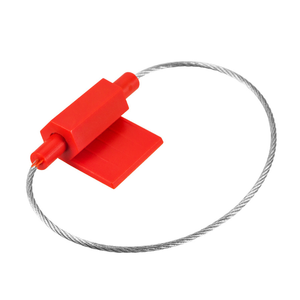
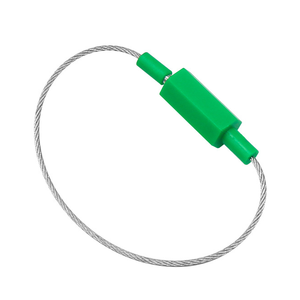
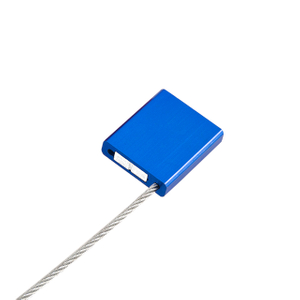
Mines operate in incredibly remote, rugged environments. They produce high-value outputs while managing strictly regulated, hazardous inputs. You cannot rely on basic padlocks to secure these sites. Constant exposure to dust, moisture, and heavy impacts destroys substandard equipment in days. To maintain security and safety, operators heavily rely on industrial-grade Cable Seals across three primary nodes.
Securing High-Value Ore and Concentrate Transit
Moving raw materials from the extraction site to processing facilities poses a massive security risk. Thieves often target unmonitored rail routes. Operators lock hopper cars and bulk transport vehicles to establish a physical barrier against opportunistic theft. These applications demand extremely high tensile strength. The locking mechanisms must withstand constant, violent vibration and abrasive dust during rough-terrain transit. If you use brittle materials here, they will snap mid-journey.
Explosives and Hazardous Materials Storage
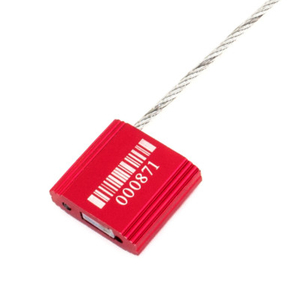
Mines require large quantities of explosives for blasting. Federal bodies strictly monitor these materials. You must secure magazines and blast-chemical silos at all times. This requires strict tamper-evident mechanisms. Industry standards dictate using laser-engraved sequential numbering on all locking devices. This ensures you can satisfy federal and Department of Defense (DoD) level auditing standards. Any tampering attempt must leave permanent, undeniable physical evidence.
Heavy Equipment and Maintenance Lockout
Safety protocols mandate the immobilization of specialized machinery during maintenance or shift changes. A lockout/tagout (LOTO) procedure prevents accidental startups. You often need flexible, non-conductive multi-strand cables for this task. They easily thread through irregular latch mechanisms on heavy excavators or drilling rigs. Coated variations provide excellent non-conductive properties, ensuring maintenance crews stay safe around electrical nodes.
Securing Shipping & Logistics Chains (Uses 4–7)
Cross-border and intermodal transit networks face severe risks. Opportunistic theft, organized smuggling operations, and prolonged customs delays plague global supply chains. When cargo changes hands across different transport modes, vulnerabilities multiply. Implementing rigorous security hardware helps mitigate these transit risks.
Use 4: Intermodal Shipping Containers
Ocean freight remains the backbone of global trade. When serving as a primary container seal for international ocean freight, the device must meet stringent regulations. You must select units that meet the "High Security" ISO 17712 classification. This requires a cable diameter greater than 3.5mm. Using compliant hardware ensures you adhere to C-TPAT (Customs-Trade Partnership Against Terrorism) and global customs regulations. Failure to comply often results in severe border delays or heavy penalties.Use 5: Rail Freight and Boxcar Latches
Trains haul rolling stock over extended, unmonitored distances. Thieves frequently target stationary railcars in remote railyards. You must secure boxcar latches against intense sheer force and environmental corrosion. Galvanized steel or aluminum body constructions provide the necessary resistance. They endure harsh weather conditions while resisting unauthorized entry via heavy pry bars.Use 6: Tanker Truck Valves and Hatches
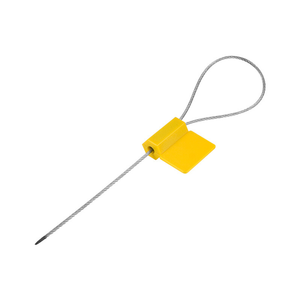
Transporting bulk liquids requires unique security measures. Chemical shipments and food-grade liquids are highly vulnerable to siphoning or malicious contamination. You must secure recessed or awkwardly positioned butterfly valves securely. Adjustable-length cables allow operators to cinch the wire tightly around irregular hatches. This completely eliminates any slack, preventing thieves from manipulating the valve without severing the wire.Use 7: High-Value Less-Than-Truckload (LTL) Cargo
LTL shipments mix goods from multiple vendors inside shared trailers. This creates significant internal theft risks. Securing individual cages or high-value pallets within these shared environments is critical. You typically use lower-diameter hardware (e.g., 1.5mm) for these specific nodes. They provide definitive tamper evidence without requiring destination staff to use heavy industrial bolt cutters. A simple pair of wire snips easily handles removal while still proving chain of custody.Transit Mode
Primary Application Node
Key Threat
Recommended Physical Feature
Ocean Freight
Standard shipping containers
Smuggling, cross-border theft
>3.5mm diameter, ISO 17712 High Security
Rail Transport
Boxcar latches
Pry bar attacks, weather rust
Galvanized steel/aluminum body
Bulk Liquid
Tanker butterfly valves
Contamination, siphoning
Adjustable length, multi-strand wire
LTL Shared Trailer
Internal pallets/cages
Opportunistic internal theft
1.5mm diameter, easy-cut design
Utility Infrastructure and Grid Defense (Uses 8–10)
Distributed utility networks remain highly vulnerable. Localized sabotage, resource theft, and unauthorized mechanical adjustments present massive safety and compliance issues for municipal grids. Because utilities cover vast geographic areas, continuous human monitoring is impossible. You must rely on robust physical deterrents.
Use 8: Smart Meter and Enclosure Tamper Prevention
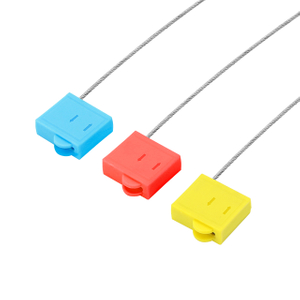
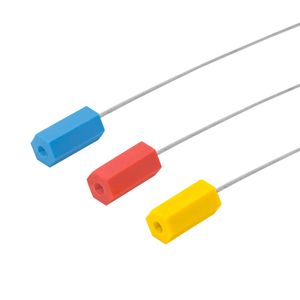
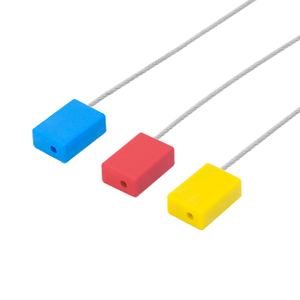
Thieves frequently attempt to bypass electrical, water, and gas meter boxes to steal resources. Securing these enclosures against unauthorized access is an everyday priority. Devices used here require exceptional weather-resistant construction. They must withstand years of UV radiation and moisture exposure. Field technicians often utilize color-coded bodies for rapid visual audits. A quick glance tells the technician exactly which department locked the meter and whether anyone tampered with it.Use 9: Remote Substation Facility Access
Unmanned substations house critical, dangerous infrastructure. Securing secondary gates, relay boxes, and utility cabinets in these remote areas prevents catastrophic sabotage. Long-term durability against rust is mandatory. The hardware provides a clear visual deterrent to trespassers. Furthermore, it supplies undeniable proof of a physical breach for maintenance crews performing routine perimeter checks.Use 10: Pipeline Valve Lockouts
Pipelines carry highly volatile substances across thousands of miles. Operators must lock off critical flow valves during maintenance or decommissioning to prevent environmental disasters. You must deploy corrosion-resistant devices that cannot be shimmed or bypassed. High-quality multi-strand wires guarantee permanent, obvious fraying if cut. This prevents saboteurs from covering their tracks.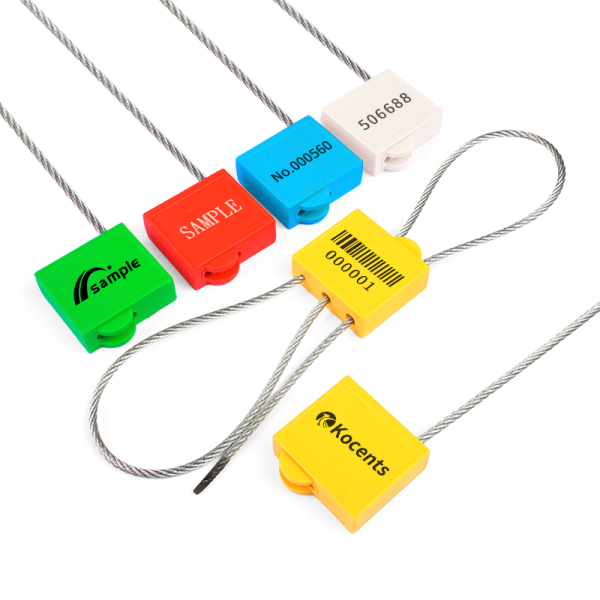
Technical Evaluation Framework: Specifying the Right Seal
Shifting from theoretical use cases to actual procurement criteria requires a systematic approach. Choosing the wrong specification leaves your assets entirely vulnerable. You must strictly align technical features with your operational risks.
Tensile Strength & Diameter Matching
You must correlate your specific risk level directly to the thickness of the wire. Security hardware is not universally interchangeable. If you deploy a thin wire on a heavy railcar, natural transit vibrations will snap it. Conversely, deploying massive industrial cables on delicate indoor utility meters wastes resources and complicates daily operations. You need a structured approach to matching diameter with application.
Diameter & Risk Assessment Chart
Cable Diameter
Security Classification
Optimal Use Case
Required Removal Tool
1.5mm - 2.0mm
Indicative / Visual Deterrence
Utility meters, LTL cages, totes
Standard wire snips
2.5mm - 3.0mm
Medium Security
Tanker valves, domestic transport
Heavy-duty cable cutters
3.5mm - 5.0mm+
High Security (Physical Barrier)
International shipping, railcars
Industrial bolt cutters
Compliance & Certification Verification
Never take vendor claims at face value regarding ISO 17712:2013 testing. A device is only genuinely compliant if backed by independent, accredited laboratory certificates. Ask your supplier directly for these documents. Review the lab results for pull strength, sheer force, bending, and impact testing. Furthermore, true compliance also dictates that the manufacturer's actual production facility adheres to strict security standards. Unverified hardware jeopardizes your international customs clearances.
Serialization and Tracking Integration
Every single unit must feature unique identification to maintain a verifiable chain of custody. You must evaluate the marking methods used by the manufacturer. Laser engraving penetrates the metal body, making it nearly impossible for criminals to alter the numbers. Standard stamping is far easier to tamper with. Additionally, look for advanced barcode or RFID options. These integrations allow your logistics teams to scan items directly into your Enterprise Resource Planning (ERP) or logistics software, drastically reducing human error during audits.
Implementation Realities: SOPs and Security Audits
Procuring excellent hardware solves only half the problem. You must focus on mitigating adoption risks to ensure these tools actually deliver their intended security value. Poor operational habits will completely undermine the strongest physical deterrents.
Application Protocol: You must mandate the "pull-tight and test" method. A loosely applied locking mechanism leaves wire slack. Criminals can manipulate this slack, or worse, cut it and hide the incision inside the locking chamber. Operators must pull the wire as tightly as physically possible against the latch, then forcefully tug it backward to confirm the internal locking gears have engaged.
Chain of Custody Logging: Security relies heavily on strict documentation. You must require double-verification of serial numbers. Log the unique identifier at the exact point of sealing. When the cargo reaches its destination, the receiving team must verify that number against the shipping manifest before making a single cut. A mismatch instantly signals a security breach.
Safe Removal Practices: You must equip your receiving teams with appropriate shear-cutters. Multi-strand steel wires hold immense tension. When cut improperly, frayed steel wire hazards cause severe workplace injuries to eyes and hands.
Disposal Protocols: Ensure destroyed units are properly logged and entirely discarded. Never leave cut hardware lying around a railyard or loading dock. Criminals collect discarded bodies and wires to reverse-engineer them or create counterfeit replicas to mask future thefts.
Conclusion
High-security hardware serves as a crucial data point in a broader compliance strategy, but it is not a standalone silver bullet. Effective asset protection requires marrying physical toughness with rigorous human processes. If your operations lack strict logging and inspection protocols, even the toughest metal-core device will fail to protect your assets.
Before finalizing a vendor, take the time to audit your specific operational threats. Consider the mechanical stress of your transit routes, the severe weather conditions of your remote sites, and the specific ISO or Customs requirements governing your freight. Match your criteria strictly to these realities.
Finally, demand transparency from your suppliers. Always request standardized testing certificates to verify compliance claims. Ask for physical samples and conduct pilot testing in your actual operational conditions before rolling out a global deployment. Testing in the field guarantees you select a solution built to survive your toughest environments.
FAQ
Q: What makes a cable seal ISO 17712 compliant?
A: A unit achieves ISO 17712 compliance by passing rigorous independent laboratory tests. The testing measures specific thresholds for pull tension, shear force, bending, and heavy impact resistance. Additionally, the manufacturer's facility must pass a physical security audit to prove they maintain strict control over the production and serialization process.
Q: Can cable seals be bypassed or re-used?
A: High-quality units cannot be re-used. They utilize multi-strand steel wire cores. When a thief cuts the wire, the individual metal strands immediately splay outward. This splaying makes it physically impossible to re-thread the cut wire back into the internal locking chamber without leaving obvious, permanent visual evidence.
Q: How do I choose between an adjustable cable seal and a fixed-length container seal (bolt seal)?
A: Choose adjustable wires when you need flexibility, such as tightening around irregular tanker valves or complex machinery latches. Choose fixed-length bolt seals for standard shipping containers. Bolt seals offer rigid, extreme high-impact resistance specifically engineered to survive heavy pry-bar attacks on uniform, standardized doors.