- Home
-
- Industries
-

What Are Plastic Seals And Why Do They Work?
Views: 0 Author: Site Editor Publish Time: 2026-04-29 Origin: Site


Supply chains and secure assets face an ever-present threat of tampering and theft. Every year, compromised shipments cost companies millions in lost inventory and disrupted operations. Unsecured supply chains lead to undetected tampering, legal liabilities, and massive inventory shrinkage. To mitigate this risk, a plastic seal serves as your critical first line of defense.
We must clarify early on: this guide focuses on tamper-evident logistical devices, not mechanical fluid gaskets like PTFE O-rings. These logistical tools provide undeniable evidence of a breached chain of custody. We will explore how these security devices function mechanically and examine their structural limitations.
You will learn how to evaluate and select the right Plastic Security Seal for specific industry use cases. This objective framework helps procurement managers and operational leaders build resilient, tamper-evident workflows from the ground up.
Key Takeaways
Function over Force: Plastic seals are "indicative" security devices designed to show visible proof of tampering, not physical barriers designed to stop determined thieves.
Mechanical Reliability: They work via irreversible locking mechanisms (such as metal anti-return inserts or acetal/POM components) embedded in durable polypropylene bodies.
Varying Break Strengths: Selection dictates operational efficiency; emergency seals break at ~6kg, while heavy-duty logistics seals withstand up to 25kg of force.
Process is Paramount: A plastic security seal is only as effective as the logging and verification Standard Operating Procedures (SOPs) backing it up.
The Mechanics: How a Plastic Security Seal Actually Works
To build a secure supply chain, we must first understand the fundamental engineering behind these devices. A plastic seal looks simple on the surface. However, its internal design relies on precise mechanical geometry to guarantee tamper evidence.
Material Composition & Anatomy
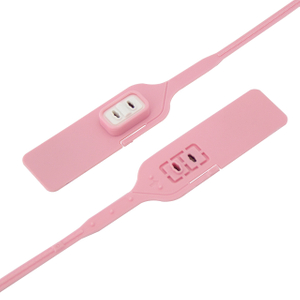
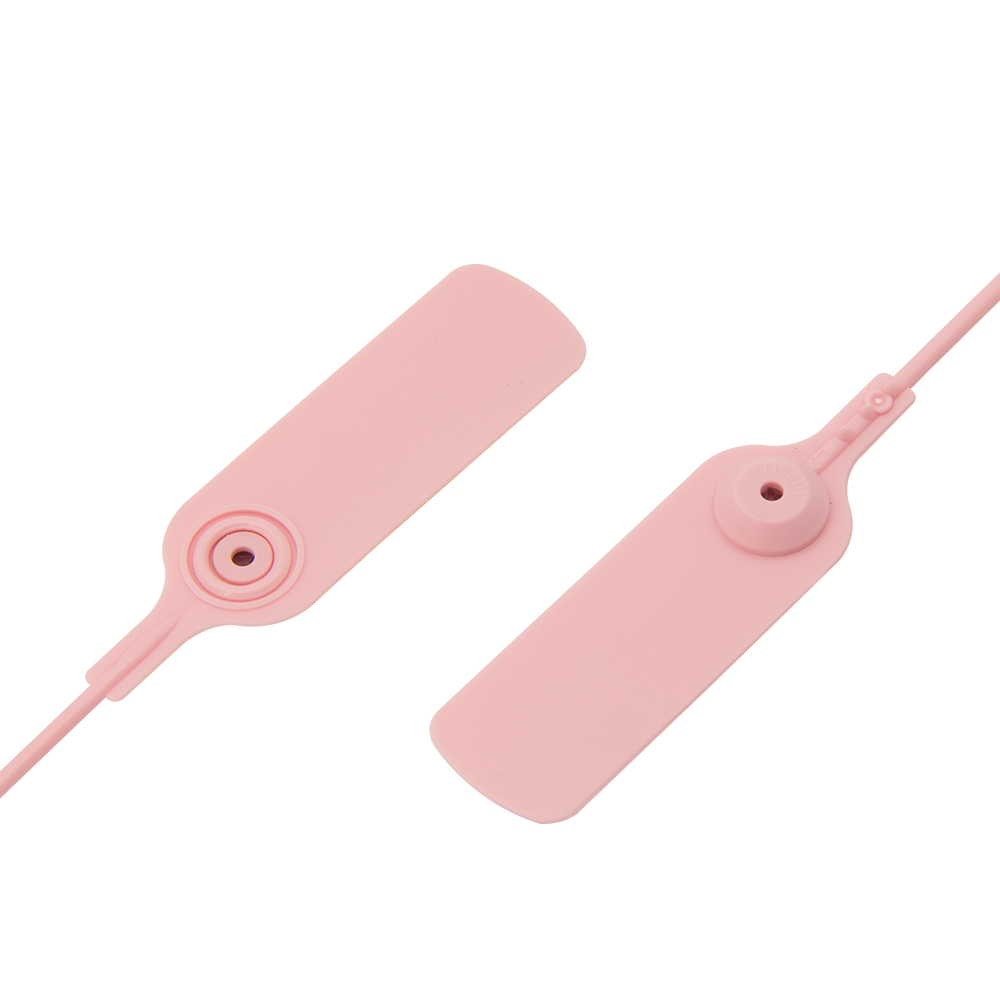
Manufacturers typically mold these devices from Polypropylene (PP) or Polyamide (PA). These materials offer a highly effective balance of flexibility, cost-effectiveness, and weather resistance. Polypropylene handles extreme temperature shifts well, making it ideal for outdoor logistics. Polyamide provides extra tensile strength for demanding applications.
The exterior anatomy features unique identification markers. High-quality seals utilize laser-printed serialization or barcodes. Laser printing physically alters the plastic surface. This resists fading, scraping, and chemical attacks far better than traditional hot-stamping methods. If someone tries to rub off a laser-printed barcode, they will visibly destroy the surface.
Irreversible Locking Mechanisms (The "Why It Works" Factor)
The core value of any plastic seal lies in its locking chamber. These chambers utilize specific mechanical principles to prevent reopening once engaged. We categorize these into three main types:
By Notching (Acetal/POM Inserts): This design features a strap with molded teeth. The locking chamber contains an internal gear or toothed rack, often made from highly rigid Acetal (POM). As you push the strap through, the gear clicks over each tooth. It allows progressive tightening but physically blocks the strap from reversing.
Anti-Return Metal Inserts: This design uses a completely smooth plastic strap. The locking jaw contains a sharp, angled metal insert. The smooth strap glides forward easily through the metal jaw. If you pull backward, the angled metal teeth bite irreversibly into the soft plastic. Attempting to force it simply cuts deeper into the strap until it snaps.
Crushing/Crimp Seals: These are low-tension seals. They require a dedicated crimping tool to secure them. Operators loop the wire or plastic filament through the body and crush the chamber flat. Utilities often use this method for long-term metering protection.
Best Practice: When procuring supplies for cold-chain logistics, request samples made specifically from cold-weather Polypropylene blends. Standard plastics can become brittle and snap prematurely in freezing environments.
Barrier vs. Indicative Security: Setting Realistic Expectations
A common mistake in logistics planning is confusing visual deterrence with physical barriers. You must set realistic expectations regarding what a plastic seal can actually withstand.
Defining the Security Tier
We must define the security tier clearly. Pure plastic seals do not meet ISO 17712 High-Security standards. ISO 17712 certification requires heavy metal bolt seals or thick cable seals capable of stopping bolt cutters. Plastic devices are strictly "indicative" tools. They act as a visual deterrent and an audit mechanism. They tell you if someone opened a container, but they will not physically stop a determined thief.
Evaluating Tensile Strength (Removal Thresholds)
Choosing the correct tensile strength determines your operational efficiency. If a seal is too strong, staff might resort to dangerous methods to open it. If it is too weak, vibrations might break it accidentally.
Resistance Tier
Approx. Break Force
Removal Method
Primary Application
Low-Resistance
~6kg (13 lbs)
Bare hands (pull or twist)
Fire extinguisher pins, medical crash carts
Medium-Resistance
~11kg (24 lbs)
Built-in tear-off tab or strong manual force
Courier bags, retail distribution totes
Heavy-Duty
Up to 25kg+ (55 lbs+)
Scissors, snips, or cutting tools
Truck trailer doors, bulk transit containers
Low-resistance options ensure fast access during crises. Heavy-duty options prevent accidental breakage during rough transit. Medium-resistance seals often feature a built-in "tear-off" tab. This clever addition allows tool-less removal at the destination without sacrificing transit security.
Core Types of Plastic Seals (And How to Choose)
Different operational environments demand different physical shapes. You must match the seal design to the specific asset you are protecting. We categorize them into three core types.
Adjustable Length (Pull-Tight) Seals
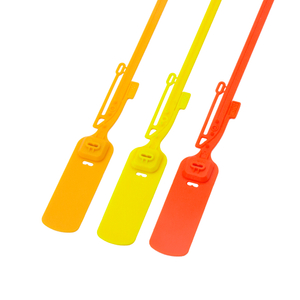
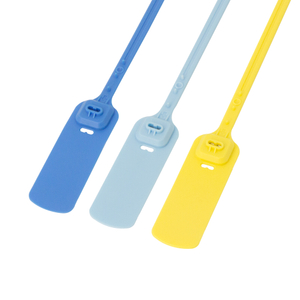
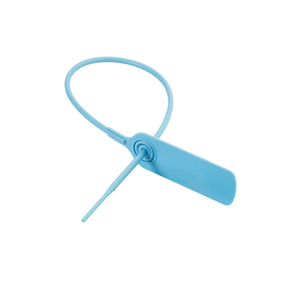
These function much like a traditional zip-tie, but they incorporate advanced security mechanisms. They come in two main variations: smooth-strap designs using metal inserts, and beadlock designs featuring round plastic nodules.
We evaluate these based on versatility. They are best for securing canvas bags, roll cages, and irregularly shaped latches. Because you can pull them tight, they eliminate slack. This prevents thieves from slipping tools underneath the strap to manipulate the lock.
Fixed-Length Seals
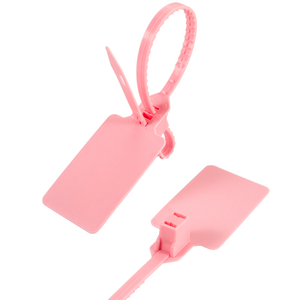
Unlike pull-tight models, fixed-length seals create a loose loop. The user pushes the end into the locking chamber until it clicks. Many modern designs feature a click-in mechanism with a protruding indicator. This indicator pops out the other side to visually confirm successful locking.
We choose fixed-length designs primarily to prevent "over-tightening." Over-tightening can crush sensitive equipment or fabric bags. They are highly common in trucking and transport, where a loose loop allows trailer door latches to move freely during transit.
Padlock Seals
These act as all-plastic alternatives to traditional metal padlocks. They snap shut securely and feature a pre-determined breaking point along the hasp.
These are highly suited for confined spaces. Typical applications include aviation catering carts, medical cabinets, and utility meters. They hang flat against the equipment, reducing the chance of accidental snagging in tight corridors.
Common Mistake: Never use a high-strength adjustable seal on a medical crash cart. In a chaotic emergency, nurses must break the loop instantly. Using a 25kg pull-tight seal here could cause disastrous delays.
Industry Applications, ROI, and Compliance Drivers
Security devices deliver value by solving specific industry challenges. Let us look at how different sectors deploy them to achieve compliance and generate a return on investment (ROI).
Transport & Logistics
In freight logistics, drivers use these tools to secure truck trailer doors and intermodal cargo containers. The ROI driver here is liability mitigation. A logged, unbroken serial number proves the cargo remained untouched between the origin and the destination. This completely protects logistics companies from false damage claims or shortage accusations leveled by the receiver.
Utility & Metering
Public utility companies rely heavily on physical security to prevent revenue loss. They seal water, gas, and electric meters against fraudulent manipulation. If a customer bypasses a meter, the tampered loop provides legal evidence.
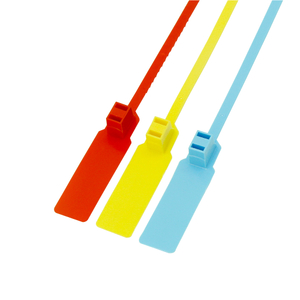
Utility managers often utilize "color-coded" implementation strategies to track maintenance cycles effortlessly. You can see a basic example in the table below.
Seal Color
Operational Meaning
Action Required
Red
Faulty / Requires Inspection
Dispatch technician immediately
Yellow
Scheduled for Calibration
Review upcoming maintenance log
Green
Calibrated and Active
None. Normal operation
Life Safety & Fire Compliance
Hospitals, offices, and factories use low-breaking-strength models to secure fire extinguisher safety pins. The primary compliance driver here is mandatory adherence to safety standards like EN-3. The regulations dictate the seal must break easily during a panic scenario. It cannot hinder emergency response times, yet it must clearly indicate if someone tampered with the extinguisher.
Retail & Consumer Protection
The historical context here is critical. Following the 1982 Tylenol tampering incident, where laced capsules killed seven people, the retail industry completely overhauled product security. Today, visual indicators are vital for pharmaceutical shipments and high-value retail packaging. They guarantee product integrity directly to the end-user, maintaining brand trust and public safety.
Implementation Realities: Tamper Identification and SOPs
Technology alone cannot secure your assets. A sophisticated mechanism is practically useless if nobody bothers to check the serial number upon arrival. The human element of security remains your most vulnerable point.
Best Practices for Rollout (SOPs)
To maximize your investment, you must implement strict Standard Operating Procedures. Without protocols, thieves will simply cut the loop, steal the goods, and replace it with a visually similar device.
Mandatory Logging: Staff must record the unique serial number in a digital database or shipping manifest immediately upon application.
Strict Verification: The receiving party must physically inspect the lock and match the printed number against the manifest before they break it.
Secure Storage: Keep all unused inventory in a locked, manager-controlled room. This prevents rogue employees from stealing spares for "replace-and-hide" tampering tactics.
How to Spot Defeated Seals (Verification Checklist)
Thieves use clever methods to defeat security measures. Train your receiving staff to look for the following red flags during their verification checks:
Stress Marks: Look closely for "blushing" or whitening of the colored plastic. This indicates someone stretched or forced the strap violently.
Physical Damage: Inspect the locking chamber closely. Search for micro-cuts, melted plastic areas, or clear glue residue around the insert. Thieves often cut the chamber, pull out the strap, and glue it back together.
Data Manipulation: Check the identification markers. Look for altered barcodes, scraped numbers, or unexpected color variations on the printed surface.
Conclusion
Plastic security seals offer a highly scalable, cost-effective solution for establishing an undeniable chain of custody. They protect your inventory, ensure legal compliance, and visually deter casual theft.
When making procurement decisions, use this simple shortlisting logic. Base your choices on three primary factors: the necessary breaking strength (manual pulling vs. tool removal), the physical application environment (adjustable pull-tight vs. fixed loops), and your internal tracking capabilities (advanced barcodes/QR vs. standard serial numbers).
Your next step is to audit your current logistics or safety workflows. Define the exact tensile strength your operators require. Then, request product samples from your supplier to rigorously test the locking mechanism reliability in your actual field environment.
FAQ
Q: Can plastic security seals be recycled?
A: Yes, most are made from 100% Polypropylene (PP). Facilities can fully recycle them once the core security function has been fulfilled. This supports corporate ESG initiatives and reduces logistical waste.
Q: What is the difference between a zip-tie and a plastic security seal?
A: Zip-ties are easily bypassed, slipped open, or replaced. Security seals feature unique serial numbers and tamper-evident locking chambers. Many contain metal inserts. You cannot duplicate them or re-thread them once cut.
Q: Can I customize plastic seals for my business?
A: Yes. Most suppliers offer high-contrast laser printing. You can add custom company logos, QR codes, and sequenced numbering. This allows seamless integration with your internal ERP and inventory tracking software.