- Home
-
- Industries
-

What Are The 5 Key Features That Make Bolt Security Seals Effective?
Views: 0 Author: Site Editor Publish Time: 2026-07-08 Origin: Site


Securing cross-border shipments and high-value cargo requires more than a mere visual deterrent. It demands relentless physical resilience and strict regulatory compliance. You simply cannot rely on flimsy materials when shipping valuable freight globally. Cargo theft and tampering cause severe financial and regulatory damage every single year. Standard plastic tags or basic indicative seals easily fail under targeted physical attacks. When criminals bypass weak locks, you face immediate inventory loss, stressful customs delays, and broken customer trust.
We will explore the absolute necessity of an engineered Bolt Seal for guaranteed structural integrity, immediate tamper evidence, and seamless customs clearance. You will soon understand how these devices act as a critical frontline defense for your supply chain. You will learn the core mechanical features to look for, the vital compliance standards you must meet, and common operational implementation mistakes to avoid.
Key Takeaways
An effective bolt seal must combine raw physical strength with advanced tamper-evident design.
ISO 17712 certification is a non-negotiable baseline for international shipping and C-TPAT compliance.
Matching identification on both the pin and the barrel prevents sophisticated part-swapping bypass techniques.
Selecting the right high security bolt seal involves evaluating supplier testing transparency, material quality, and your internal application procedures.
The High-Stakes Business Case for High Security Bolt Seals
Protecting global cargo requires clearly defined success criteria. In modern logistics, success means zero undetected tampering incidents. It means zero customs rejections at international borders. It also means maintaining an unbroken, fully documented chain of custody from origin to destination. When you achieve these goals, you protect your revenue and your brand reputation.
The cost of failure remains exceptionally high. If you use substandard sealing methods, you expose your entire operation to immense risk. Customs officials frequently reject cargo at busy ports if they discover inadequate or broken seals. This leads to costly delays and severe liability disputes. Furthermore, inventory shrinkage heavily impacts your bottom line. Thieves specifically target containers using weak, easily bypassed closures.
To understand the solution, we must clearly distinguish between different seal categories. Industry professionals generally divide them into two groups: indicative seals and barrier seals.
Indicative Seals: These act merely as visual deterrents. They consist of thin plastic or light metal. You can break them easily by hand or with standard household scissors. They show if someone opened a door, but they offer zero physical resistance.
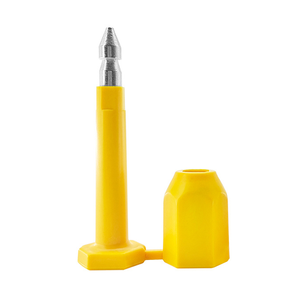
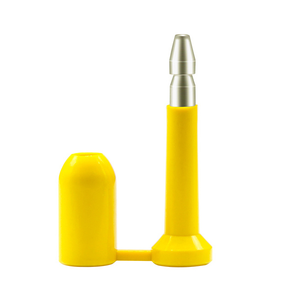
Barrier Seals: These provide actual physical security. A robust high security bolt seal falls into this category. They lock shipping container doors tightly together. You absolutely require heavy-duty bolt cutters to remove them.
You cannot use indicative products for international sea freight. The high-stakes environment of global trade demands the physical barrier protection that only engineered metal locks provide.
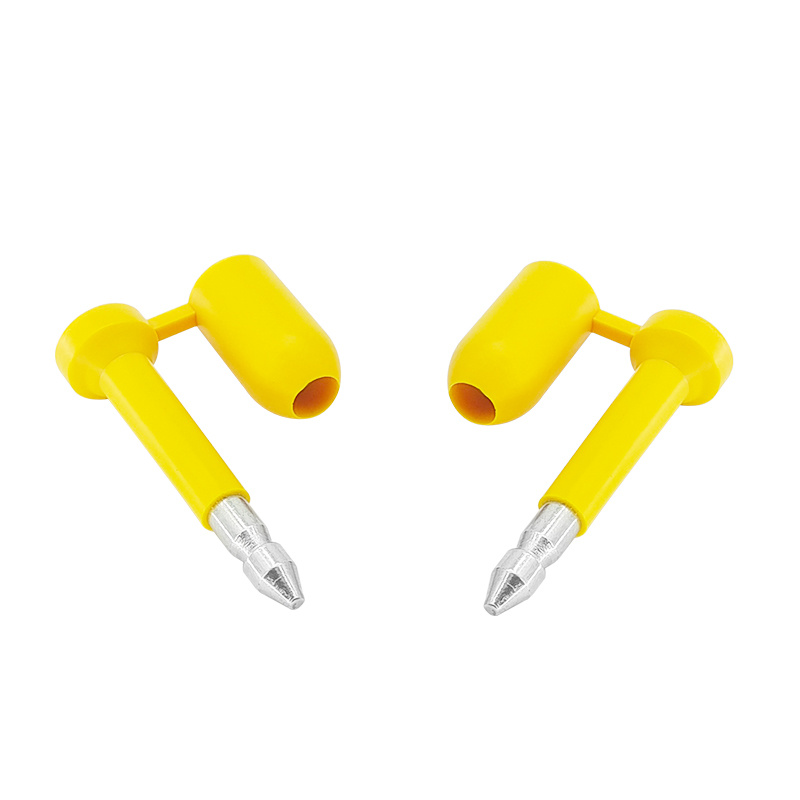
The 5 Essential Features of an Effective Bolt Seal
Understanding the mechanical engineering behind these devices helps you make better procurement decisions. The most effective options on the market share five crucial design characteristics. Each feature actively counters a specific type of criminal attack.
1. Anti-Spin Locking Mechanisms
Sophisticated thieves constantly develop new ways to defeat cargo locks. One common tampering method involves spinning the metal pin at incredibly high speeds using a power drill. This rapid spinning generates intense friction heat. The heat melts the internal plastic components, allowing the thief to pull the lock apart without actually cutting the metal. They steal the goods and then reassemble the melted lock, hiding the theft until the container reaches its final destination.
An anti-spin locking mechanism prevents this attack entirely. High-quality models feature a specialized internal locking ring. Once you click the pin into the barrel, this interlocking ring firmly grips the metal. It physically prevents the pin from rotating. If a criminal attempts the high-speed drill technique, the mechanism simply will not turn, stopping the friction-melting attack in its tracks.
2. Heavy-Duty Core Materials (Carbon Steel)
Physical strength serves as the foundation of any barrier seal. You must evaluate the core material used in the manufacturing process. The industry standard requires hardened carbon steel cores for both the pin and the locking barrel.
Carbon steel provides exceptional resistance against brute-force attacks. It withstands massive sheer, pull, and impact forces. When you lock a container door, the carbon steel shaft effectively acts as a secondary padlock. It holds the heavy steel door hasps together even during violent shifts at sea or rough handling at rail yards. Inferior metals like cheap iron or unhardened alloys will snap under the immense pressure of shifting cargo.
3. Tamper-Evident ABS Plastic Housings
Raw strength alone is not enough. You also need immediate, undeniable visual evidence of any tampering attempt. Engineers achieve this by encasing the heavy-duty carbon steel core in specialized ABS plastic.
This high-impact plastic coating behaves in a very specific way under stress. It is engineered to shatter, crack, or show obvious white stress marks if someone attempts to pry, crush, or heat it. You cannot bend ABS plastic quietly. If a thief tries to wedge a screwdriver into the locking chamber, the plastic housing will fracture loudly and visibly. This guarantees that port inspectors and receiving managers immediately notice the sabotage, triggering an instant security audit.
4. Dual-Matching Serialized Identification
Criminals sometimes attempt a highly deceptive bypass technique known as "part-swapping." They cut the metal pin, open the doors, steal the cargo, and then use a counterfeit barrel to replace the cut half. If the barrel looks identical, hurried dock workers might not notice the breach.
Dual-matching serialized identification effectively mitigates this severe risk. A premium Bolt Seal features identical, laser-engraved serial numbers and barcodes on both the pin head and the barrel body. Laser engraving is crucial here. Unlike printed ink, which you can easily rub off with chemical solvents, a laser physically burns the numbers deep into the plastic. Thieves cannot alter laser engraving without leaving deep, obvious gouges. When checking the cargo, auditors simply verify that the number on the pin perfectly matches the number on the barrel.
5. Standardized Dimensional Geometries
Even the strongest lock fails if it does not fit the container properly. Standardized dimensional geometries ensure correct implementation in the real world. International shipping containers use standardized door hasps. If a locking shaft is too thin or the barrel is too narrow, the entire assembly might slip completely through the hasp ring.
To prevent this, manufacturers must adhere to specific minimum dimensions. Industry guidelines generally dictate an 18mm minimum width for the barrel diameter. The head of the metal pin must also exceed the hasp opening size. This standardized geometry ensures the locked device remains securely trapped behind the metal rings of the container door, physically blocking any unauthorized entry.
Navigating Compliance: Why ISO 17712 Matters for High Security Bolt Seals
You cannot simply trust a manufacturer's word regarding security strength. The global logistics industry relies on rigorous international standards to classify these devices. The most important regulatory standard you must know is ISO 17712:2013.
The International Organization for Standardization created ISO 17712 to test and classify mechanical freight seals. The standard evaluates products across several brutal testing categories, including tensile strength (pulling apart), shear strength (cutting), bending strength, and impact resistance (smashing). To achieve the coveted "High Security" or "H-class" classification, a product must survive the highest threshold of these destructive tests.
This classification is not just a marketing term; it is a strict legal requirement for cross-border freight. The U.S. Customs-Trade Partnership Against Terrorism (C-TPAT) strictly mandates the use of ISO 17712 H-class compliant closures for all inbound shipping containers. If you use an uncertified product, U.S. Customs and Border Protection will likely stop your shipment, fine your company, and subject your cargo to invasive, time-consuming inspections.
However, verification reality often differs from marketing claims. Some unprincipled suppliers self-certify their products. They print an "H" on the plastic without conducting actual laboratory tests. You must actively protect your supply chain from this fraud. Always ask your supplier to provide an independent, third-party lab testing certificate. Verify the document directly with the testing laboratory to ensure full compliance before purchasing.
Implementation Realities: Common Application and Removal Mistakes
Even a perfectly engineered ISO 17712 certified product will fail if your team applies it incorrectly. Operational procedures dictate the true effectiveness of your security program. You must train your staff to avoid several common implementation mistakes.
First, beware of the "false lock" vulnerability. This occurs through incomplete insertion. A worker might push the pin into the barrel, but fail to push it deep enough to engage the internal locking ring. The device looks secure, but anyone can pull it apart by hand. Proper application requires a mandatory physical check. The operator must insert the pin, listen closely for a distinct, audible "click," and then vigorously pull down on the barrel to confirm it is permanently locked.
Second, logging inconsistencies destroy your chain of custody. A shockingly common operational failure involves recording only one serial number at the point of origin. Dock workers must meticulously record both the pin serial number and the barrel serial number in the shipping manifest. If they skip this step, receiving managers cannot verify if part-swapping occurred during transit.
Third, you must establish strict removal Standard Operating Procedures (SOPs). Removing an H-class product requires serious force and strict safety protocols.
Use the right tools: Do not use standard shears or hand clippers. You require heavy-duty 24-inch to 36-inch bolt cutters.
Prioritize safety: Carbon steel can snap and create dangerous flying metal shrapnel. Workers must always wear ANSI-approved protective eyewear and heavy work gloves during removal.
Retain the evidence: Never throw the cut pieces directly into the trash. You must retain the broken pieces until your team fully verifies the internal cargo inventory. If you discover a shortage later, the cut pieces serve as critical evidence for insurance claims and police investigations.
How to Evaluate and Shortlist Bolt Seal Suppliers
Procurement teams need a clear, objective framework when sourcing these vital security components. Do not make purchasing decisions based solely on the lowest unit price. Use the following decision matrix to evaluate and shortlist potential suppliers.
Evaluation Dimension
Key Questions to Ask Suppliers
Why This Matters for Your Operations
Quality Assurance
Do you maintain ISO 9001 manufacturing standards alongside independent ISO 17712 product testing certifications?
ISO 9001 ensures consistent factory production quality, meaning batch number 1,000 will be just as strong as batch number 1.
Customization Capabilities
Can you provide laser-engraved custom company logos, specific barcode formats (like Code 128), and routing color codes?
Customization prevents thieves from buying generic replacements online to hide tampering. Barcodes speed up your automated warehouse scanning.
Supply Chain Reliability
What are your standard lead times, and how do you track large batch production runs without duplicating serial numbers?
Duplicate serial numbers instantly destroy your chain of custody. You need a supplier capable of flawless numerical sequencing for large-scale global rollouts.
By applying this matrix, you filter out inexperienced vendors. You ensure your chosen supplier possesses the technical capacity, the verifiable certifications, and the production reliability required to protect your global freight operations.
Conclusion
An effective supply chain defense system merges heavy-duty physical barrier strength with irrefutable tamper-evident engineering. Criminals continuously evolve their attack methods, so you must counter them with anti-spin mechanisms, hardened carbon steel, and dual-matching serialized identification. Utilizing these advanced features is not optional for cross-border trade; it is a critical necessity.
However, always remember that the physical hardware represents only half of the security equation. The strongest lock in the world remains useless if your dock workers do not correctly apply it, verify it, and document it. The physical lock is truly only as effective as the auditing and application procedures surrounding it. Robust training and strict operational logging must accompany your hardware upgrades.
Take proactive steps today to secure your global shipments. Audit your current cargo closures to see if they meet modern threats. Verify your current supplier's independent ISO 17712 lab certificates. If you discover vulnerabilities, immediately request a sample of a fully compliant high security bolt seal for internal field testing. Upgrading your cargo defense now will prevent devastating financial losses tomorrow.
FAQ
Q: Can a bolt seal be reused?
A: No, they are strictly single-use devices. Once you insert the metal pin into the locking barrel, an internal steel ring permanently engages. The only way to open the container is to physically destroy the shaft using heavy-duty bolt cutters. This permanent destruction guarantees clear evidence of entry and ensures a secure chain of custody.
Q: How do you remove a high security bolt seal?
A: You must use heavy-duty industrial tools. Standard scissors, hand shears, or small wire cutters are completely insufficient against hardened carbon steel. You will need 24-inch to 36-inch professional bolt cutters. Because the hardened steel can snap violently when cut, workers must always wear protective eyewear and gloves during the removal process.
Q: What is the difference between a cable seal and a bolt seal?
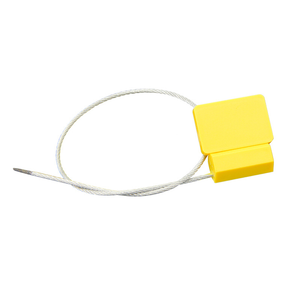
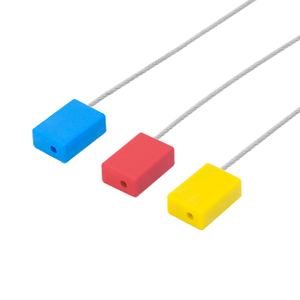
A: They differ primarily in physical structure and application flexibility. A bolt seal uses a rigid, fixed-length metal pin and barrel, ideal for perfectly aligned container hasps. A cable seal uses a flexible, braided steel wire that you can pull tight to fit variable-length openings. While both offer barrier protection, rigid pins generally provide higher defense against severe shear attacks.