- Home
-
- Industries
-

What Is A Bolt Seal And Its Applications
Views: 0 Author: Site Editor Publish Time: 2026-07-14 Origin: Site


Global supply chains transport trillions of dollars in valuable merchandise every single year. Yet, moving freight safely across vast distances remains a monumental challenge for logistics professionals. Unsecured cargo leaves companies highly vulnerable to targeted theft, severe customs delays, and complex chain-of-custody disputes. A single compromised container can disrupt your entire logistical network and damage customer trust.
To mitigate these significant risks, industry leaders universally rely on the Bolt Seal. We position this crucial device as a standard, high-security mechanical barrier specifically designed to protect both international and domestic freight. In this comprehensive guide, we will examine the detailed anatomy of these devices. You will also learn about rigorous compliance standards like ISO 17712, explore primary use cases across the supply chain, and review essential evaluation criteria to guide your future procurement decisions.
Key Takeaways
A bolt seal is a heavy-duty, tamper-evident mechanical lock consisting of a metal pin and barrel, requiring industrial cutters to remove.
High-security variants must meet ISO 17712:2013 standards and are mandatory for C-TPAT compliant cross-border shipping.
Core applications include securing intermodal shipping containers, rail cars, and truck trailers carrying high-value freight.
Procurement should prioritize anti-spin mechanisms, matching serialization on both components, and proper tracking integrations.
The Anatomy and Mechanics of a Bolt Seal
To understand freight security, you must first understand the physical engineering behind these locking devices. Manufacturers design them to withstand immense physical stress while providing immediate visual evidence of tampering.
Core Components
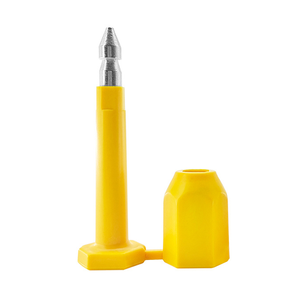
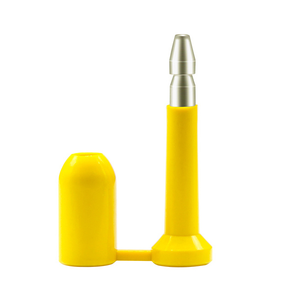
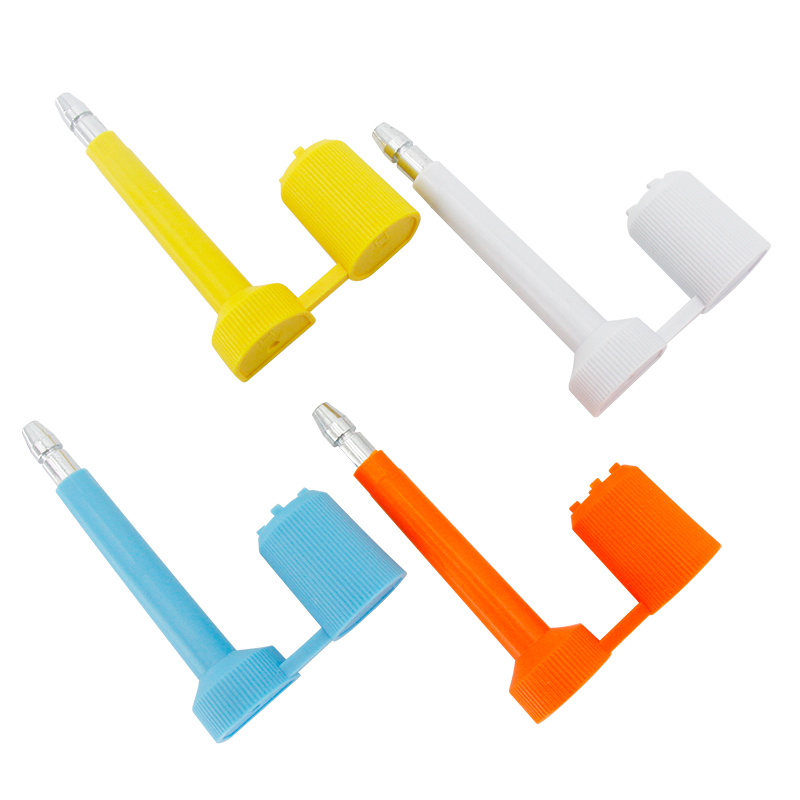
Every standard unit consists of two primary parts. The first piece is a thick pin, usually forged from high-carbon steel. The second piece is a locking cylinder, commonly called the barrel. Manufacturers coat both the metal pin and the barrel in high-impact ABS plastic. This robust plastic shell serves multiple purposes. It prevents corrosion during long sea voyages, provides a printable surface for barcodes, and cracks visibly upon impact.
Locking Mechanism
These devices utilize a permanent, snap-lock function. You insert the steel pin directly into the open end of the barrel. As you push the pin forward, it slides past an internal, one-way locking ring. Often called a circlip, this internal metal ring expands briefly and then snaps tightly into a groove carved along the pin. Once this engagement happens, the lock becomes permanent. You cannot reverse the process. The internal components bind together, forming a solid mechanical barrier across the container latch.
Tamper Evidence
Security teams rely heavily on tamper evidence. If thieves attempt forced entry, they must use intense physical force. Striking the barrel with a hammer shatters the ABS plastic casing. Using chemical solvents to melt the seal discolors and warps the exterior shell. If criminals try to manipulate the internal locking ring using thin shims, they invariably scratch the internal housing. Any of these actions leaves visible structural damage. The device becomes irreversibly compromised, immediately alerting receiving personnel to potential theft.
Anti-Spin Design
Thieves constantly develop new methods to bypass locks. Historically, criminals would grip the metal pin and spin it at high speeds using a drill. This rapid spinning generated intense friction. The friction melted the internal plastic housing, allowing the thief to slide the pin out without cutting the metal. To combat this, engineers developed the anti-spin mechanism. Modern designs feature interlocking plastic shapes on both the pin head and the barrel. When you lock them together, these shapes nest into one another. They restrict rotational movement entirely. If a thief tries to spin the pin forcibly, the plastic joints break apart completely. This specific engineering feature prevents friction-melting and immediately highlights the tampering attempt.
Regulatory Standards: ISO 17712 and C-TPAT Compliance
You cannot deploy any random padlock for global shipping. International trade relies on standardized security protocols. Selecting the right hardware protects your organization from liability and ensures smooth border crossings.
ISO 17712:2013 Certification
The International Organization for Standardization developed the ISO 17712 framework to govern mechanical freight seals. This rigorous standard divides security devices into three distinct classifications based on their physical strength. Independent testing laboratories execute rigorous physical testing to assign these ratings.
Classification
Marking
Primary Use Case
Physical Characteristics
Indicative
"I"
Short-haul, low-risk cargo
Easily broken by hand or light tools. Used mostly for chain-of-custody indication.
Security
"S"
Medium-risk domestic freight
Requires standard tools to remove. Offers moderate resistance to tampering.
High Security
"H"
International maritime transit
Requires heavy industrial bolt cutters. Withstands severe tension, shear, bending, and impact.
To achieve the coveted "H" rating, a Bolt Seal must survive extreme stress tests. The tensile test pulls the pin and barrel apart to ensure they hold under immense force. The shear test applies cutting blades to the pin. The bending test attempts to snap the metal rod. Finally, the impact test strikes the lock with heavy weights at extreme temperatures. Only devices that pass all these thresholds earn the High Security designation.
C-TPAT Requirements
The Customs-Trade Partnership Against Terrorism (C-TPAT) mandate dictates strict border protocols. U.S. Customs and Border Protection (CBP) requires that any cross-border maritime container entering the United States must utilize an ISO-compliant High Security device. This is not merely a suggestion. It is a strict federal requirement. Compliant shipments move through "green lanes" with fewer delays. Non-compliant shipments face immediate red flags.
Liability and Insurance
Using non-compliant hardware creates severe financial risk. If cargo disappears during transit, insurance adjusters will demand proof of security protocols. If they discover you used an uncertified or "I" rated device for high-value international freight, they can void your cargo insurance claims entirely. Furthermore, border authorities can hit your organization with severe customs penalties. They may detain your shipments for prolonged, costly inspections. Proper compliance shields your balance sheet.
Core Applications Across the Supply Chain
These robust locks serve different roles depending on the mode of transportation. Logistics professionals deploy them strategically to protect various assets moving across the global network.
Intermodal Shipping Containers
This represents the primary use case worldwide. Millions of corrugated steel boxes traverse the oceans daily. You apply the locking mechanism directly onto the locking rods of the container doors. During international maritime and rail transit, these containers sit unattended in massive terminal yards for days. The physical presence of a high-security lock deters opportunistic thieves. It ensures the container remains sealed from the original stuffing point until it reaches the final consignee.
Over-the-Road Trucking (Trailers)
Highway transport introduces unique vulnerabilities. Drivers must stop at rest areas, fueling stations, and weigh stations. Securing dry vans and refrigerated trailers becomes paramount, particularly for high-value goods like electronics or pharmaceuticals. Multi-stop routes require strict chain-of-custody verification. A driver will check the unique identification numbers at every stop. If numbers do not match, the driver knows someone accessed the trailer.
Rail Freight
Rail networks transport massive volumes of goods over vast, unpopulated distances. Trains frequently experience extended layovers in rural rail yards. These dark, unmonitored environments attract organized cargo theft rings. Securing boxcars against opportunistic theft prevents massive losses. Because rail car doors vibrate violently during transit, standard padlocks often fail or fall off. A specialized, heavy-duty mechanism withstands this relentless mechanical vibration.
Specialty Applications
Beyond standard doors, industries use these locks for highly specialized applications. Chemical manufacturers use them to secure bulk chemical transport valves. This prevents unauthorized dumping or malicious contamination of industrial fluids. Mining companies use them to lock heavy industrial enclosures holding explosive materials. Agricultural firms lock grain hoppers to prevent food-supply tampering. The rigid steel design offers unparalleled security for any heavy-duty latch.
Evaluation Criteria: How to Choose the Right Bolt Seal
Procurement teams face hundreds of options when sourcing security hardware. Treating these devices as simple commodities leads to poor security outcomes. You must evaluate suppliers and products using a strict set of criteria.
Security Rating vs. Cargo Value
You need a framework for matching the lock's tensile strength and ISO rating to the actual value and risk profile of the cargo. You do not need an "H" rated device for transporting empty pallets locally. However, transporting microchips globally requires maximum protection. Assess your risk profile. High-value, highly liquid goods (like electronics, alcohol, or apparel) demand the highest tensile strength available. Match your investment in security hardware to the financial exposure of the load.
Serialization and Customization
Serialization provides the actual chain-of-custody verification. Do not buy blank devices.
Dual-Serialization: You must prioritize matching, laser-engraved serial numbers on both the pin and the barrel. Without this, thieves can cut the original pin, paint a replacement pin, and insert it into your original barrel. Dual-serialization prevents this component swapping. If the numbers do not match perfectly upon arrival, theft occurred.
Custom Options: Look for options to add company logos and barcodes (1D or 2D). Barcodes allow warehouse workers to scan shipments instantly. Color-coding different batches also streamlines warehouse routing and visual identification from a distance.
Advanced Tracking Integrations
Supply chains increasingly demand active, real-time visibility. Consider an RFID-enabled or GPS-integrated Bolt Seal. These smart devices house microchips inside the ABS plastic shell. As the truck drives past specialized gantries at ports or distribution centers, the system automatically logs the location. GPS variants ping cellular networks, sending location data directly to a cloud dashboard. This technology elevates physical security into active digital intelligence.
Supplier Authoritativeness
Never accept vendor claims of ISO compliance at face value. Counterfeit certificates flood the market. Buyers must verify independent laboratory testing certificates. Ask the supplier to produce documents from an ISO/IEC 17025 accredited laboratory. Check the expiration dates on these certificates. Legitimate suppliers openly share their testing data. If a vendor hesitates or provides blurry, unverified documentation, find another manufacturing partner.
Implementation: Application, Removal, and Safety SOPs
Even the strongest lock fails if workers apply it incorrectly. Establishing strict Standard Operating Procedures (SOPs) ensures your team maximizes the security potential of the hardware.
Application Best Practices (The "Click and Pull" Method)
Warehouse personnel must follow step-by-step documentation for every outbound shipment.
Inspect the components: Verify the serial numbers on the pin and barrel match exactly. Ensure the plastic shows no pre-existing cracks.
Align and Push: Slide the pin through the container door latch. Align the barrel beneath it. Push firmly together until an audible click is heard.
Verify Engagement: Physically pull downward on the barrel with heavy force. The lock must hold firm. This "Click and Pull" method guarantees the internal ring engaged properly.
Log the Data: Recording the serial number on the Bill of Lading (BOL) and shipping manifest before transit is mandatory. The driver must sign off on this specific number.
Safe Removal Procedures
Receiving dock workers face physical risks during the removal process. You cannot remove these devices with standard hand tools or saws.
Required Tools: Specify the use of 24-inch or 36-inch industrial bolt cutters. Smaller cutters require too much physical exertion and can slip.
Safety Protocols: Mandate strict Personal Protective Equipment (PPE) rules. Workers must wear safety glasses and thick work gloves. The metal pin rests under high tension. When the cutters snap the steel, flying metal shrapnel can cause severe eye injuries. Gloves protect hands from the sharp edges left behind after cutting.
Handling Discrepancies
You need a rigid protocol for receiving personnel if a shipment arrives compromised. If the lock arrives broken, mismatched, or showing obvious signs of physical tampering, workers must stop immediately. First, quarantine the cargo. Do not open the doors. Second, document the scene extensively with clear photographs showing the compromised hardware and the door latches. Third, notify terminal security and management immediately. Only open the container under the supervision of a security officer or customs official.
Conclusion
Logistics professionals must view these devices as critical compliance instruments for global trade, not just physical locks. A properly executed security strategy prevents devastating financial losses, ensures seamless customs clearance, and protects the integrity of the entire supply chain.
We strongly recommend standardizing your procurement around ISO 17712 "H" rated models. Prioritize dual-serialization and robust anti-spin mechanisms for maximum liability protection. Do not let outdated locking mechanisms threaten your valuable cargo.
Take immediate action today. Evaluate your current freight security protocols. Audit your loading docks to ensure workers follow the "Click and Pull" method safely. Finally, contact a dedicated security specialist to review certified options tailored precisely to your specific logistical network and risk profile.
FAQ
Q: Can a bolt seal be reused?
A: No, they are single-use, permanent locking devices. Once you engage the locking mechanism, you cannot open it without destroying the unit. Once cut, they are destroyed entirely. This single-use design guarantees the integrity of the chain of custody.
Q: What is the difference between a cable seal and a bolt seal?
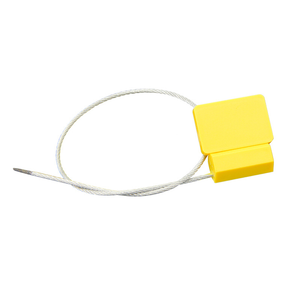
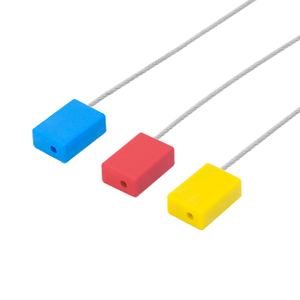
A: Cable seals offer flexible routing. You use them for misaligned latches or awkwardly shaped valves where rigid locks will not fit. Bolt seals offer rigid, higher-impact resistance. They provide superior protection against heavy physical attacks specifically for standard shipping container doors.
Q: How do I verify if a bolt seal is truly ISO 17712 compliant?
A: Request the vendor's independent, third-party laboratory test certificate. Ensure an ISO/IEC 17025 accredited lab issued the document. Additionally, visually check for the official "H" stamping directly on the exterior casing of the lock itself.
Q: What happens if the bolt seal number doesn't match the shipping manifest?
A: The load should be considered compromised immediately. A mismatched number indicates someone accessed the cargo and replaced the lock. Customs may detain the shipment entirely. You must initiate internal security protocols and document everything with photos before opening the doors.