- Home
-
- Industries
-

Why Cable Seals Are Crucial for Container Security And Safety
Views: 0 Author: Site Editor Publish Time: 2026-02-24 Origin: Site


In an increasingly interconnected world, where goods are shipped across borders, the need for secure, tamper-evident solutions has never been more critical. One such solution that plays a significant role in safeguarding goods during transportation is the cable seal. These seals offer a reliable and effective way to protect containers, trailers, and cargo from tampering, theft, and unauthorized access. As the shipping industry faces growing concerns about security, cable seals have become indispensable in ensuring the safety of both the cargo and the supply chain.
In this article, we will delve into the importance of cable seals for container security and safety, exploring their benefits, features, and how they contribute to the overall protection of goods in transit.
What is a Cable Seal?
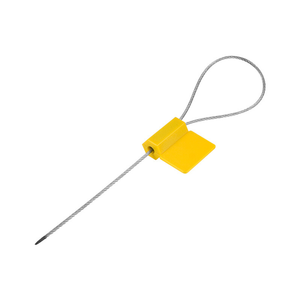
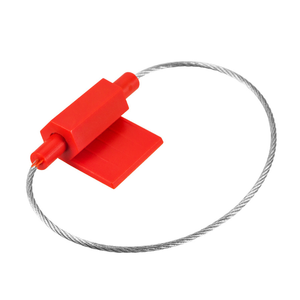
A cable seal is a type of security seal used to fasten doors, containers, or other access points, preventing unauthorized access or tampering. It typically consists of a strong metal cable, a locking mechanism, and a unique identification number or barcode for traceability. These seals are applied by threading the cable through the latch or lock of a container, and once secured, they cannot be easily removed or altered without leaving visible signs of tampering.
Cable seals are designed to provide a high level of security, especially in the context of containerized shipments, where the risk of theft and tampering is significant. They are used widely in industries such as logistics, transportation, manufacturing, and international trade.
Why Are Cable Seals Crucial for Container Security?
The importance of cable seals lies in their ability to offer several layers of protection, making them an essential component of modern logistics. Here are some of the key reasons why cable seals are crucial for container security and safety:
1. Preventing Unauthorized Access
One of the primary functions of a cable seal is to prevent unauthorized access to containers. Once sealed, the container is essentially locked until the seal is removed by an authorized person. This provides a barrier to potential thieves or individuals who may attempt to tamper with or steal the goods inside the container.
The cable seal is designed to withstand force, making it difficult for anyone to break or manipulate the seal without leaving visible damage. This ensures that only those with the proper authority can access the container.
2. Tamper Evidence
Cable seals provide a visible sign of tampering, which is crucial in the event that someone tries to gain unauthorized access to the container. When a cable seal is compromised or removed, it will show clear signs of breakage, such as a bent cable or a broken lock. This acts as an immediate indicator that the container has been tampered with, allowing logistics teams and customs officials to take action quickly.
Tamper-evident features are particularly important in industries dealing with high-value goods, hazardous materials, or sensitive products, where tampering can lead to costly losses, legal implications, or safety hazards.
3. Enhanced Security for High-Value Cargo
For high-value cargo, such as electronics, pharmaceuticals, or luxury goods, security is paramount. A cable seal offers a heightened level of security compared to traditional seals, such as plastic or lead seals. The durable construction and locking mechanism of the cable seal make it nearly impossible to bypass without leaving clear evidence of tampering.
In addition, cable seals can be customized with unique identification numbers, barcodes, or RFID tags, further enhancing their security by allowing for traceability and real-time monitoring of the goods.
4. Compliance with International Standards
Many industries and international trade regulations require the use of cable seals to meet security standards and ensure the safe transport of goods across borders. For example, the World Customs Organization (WCO) mandates the use of high-security seals for containers transporting goods across international borders to prevent unauthorized access and theft.
Using cable seals ensures compliance with these security standards, which is essential for businesses involved in global trade and transportation. Non-compliance can lead to delays, fines, or loss of business opportunities.
5. Cost-Effective Solution for Security
While some security measures can be costly, cable seals are a relatively low-cost solution to a critical problem. When compared to the potential financial losses caused by theft or cargo tampering, the cost of using cable seals is minimal in comparison.
Furthermore, the long lifespan of cable seals means that businesses get substantial value for their investment, providing an affordable solution to secure high-value shipments over the long term.
6. Easy to Use and Apply
Cable seals are simple to use and do not require extensive training or equipment for application. To seal a container, all you need to do is insert the cable through the locking mechanism of the container and secure it using the seal’s locking mechanism. The process is quick, which is essential in industries where time efficiency is important, such as logistics and shipping.
The ease of use also extends to the removal process. Once the seal is broken, it is clearly obvious that the container has been accessed. This feature makes cable seals an excellent tool for both security and inventory tracking.
Types of Cable Seals
There are different types of cable seals available to suit various needs and applications. Let’s take a look at some of the most common types:
1. High-Security Cable Seals
High-security cable seals are designed for applications where security is of the utmost importance. These seals are made from stronger materials such as stainless steel and feature advanced locking mechanisms that make them difficult to bypass. They are commonly used in the transport of valuable or sensitive goods, such as electronics, pharmaceuticals, or cash.
2. Adjustable Cable Seals
Adjustable cable seals are flexible and can be customized to fit different container sizes or applications. These seals can be adjusted to the desired length, allowing for easy installation on various containers or cargo. They are versatile and offer a high level of security, making them suitable for a wide range of industries.
3. Metal Cable Tie Seals
Metal cable tie seals are used for applications where strength and durability are required, but they are typically less expensive than high-security seals. These seals are commonly used for securing containers or access points in low to medium-risk environments.
4. Container Seals
Container seals are specifically designed for securing shipping containers. These seals are typically large, robust, and tamper-evident, making them ideal for international shipments. They often come with unique identification numbers or barcodes for traceability.
How to Use a Cable Seal Effectively
Using a cable seal correctly is key to ensuring its effectiveness in protecting your goods. Here’s a step-by-step guide on how to use a cable seal:
Choose the Right Seal: Select the appropriate type of cable seal based on the level of security required, the type of cargo being transported, and the container size.
Prepare the Container: Ensure the container or access point is ready to be sealed. Check that the locking mechanism is functioning correctly.
Apply the Seal: Insert the cable of the cable seal through the locking mechanism of the container, making sure the cable is threaded securely.
Lock the Seal: Tighten the cable seal and ensure the locking mechanism is engaged. For high-security cable seals, make sure the seal is properly secured to prevent tampering.
Record the Seal Number: Document the unique seal identification number for tracking purposes. This will allow you to monitor the security of the container throughout the transportation process.
Inspect the Seal Regularly: Periodically check the seal during transit to ensure that it remains intact and has not been tampered with.
Conclusion
In an age where security and safety are more critical than ever, cable seals offer an effective, low-cost solution for protecting goods during transportation. Whether you're managing high-value cargo or ensuring compliance with international trade regulations, using a cable seal can provide peace of mind by preventing unauthorized access and offering tamper-evident protection.
At Foshan Shunde Junyue Plastic Hardware Products Co., Ltd., we specialize in providing high-quality cable seals designed to meet the security needs of businesses in a variety of industries. Our cable seals are crafted from durable materials and are engineered for maximum security. Get in touch with us today to learn more about how our products can help protect your shipments and ensure the safety of your supply chain.
FAQ
Q: What are the advantages of using high-security cable seals?
A: High-security cable seals offer enhanced protection by using durable materials and advanced locking mechanisms, making them difficult to tamper with. They are ideal for high-value cargo and meeting international security standards.Q: Can adjustable cable seals be used for different container sizes?
A: Yes, adjustable cable seals can be customized to fit a variety of container sizes, making them a flexible and secure option for different applications.Q: Are cable seals suitable for use in all industries?
A: Yes, cable seals are versatile and can be used in industries such as logistics, shipping, pharmaceuticals, and manufacturing, where security and tamper-evidence are important.Q: How can I track the security of my containers with cable seals?
A: Many cable seals come with unique identification numbers or barcodes, allowing for easy tracking and traceability of your shipments during transport.