- Home
-
- Industries
-

Why Cable Seals Are Used For Rail Transport
Views: 0 Author: Site Editor Publish Time: 2026-05-28 Origin: Site


Rail transport constantly involves moving high-value bulk assets across vast, unmonitored geographic distances. This operational reality makes unguarded cargo highly susceptible to opportunistic theft, targeted vandalism, and dangerous material contamination. Historically, railway operators relied heavily on basic lead or simple tin locking tags. Supply chain complexities and strict global security mandates have evolved rapidly in recent years. Consequently, the freight industry has universally shifted toward heavy-duty locking mechanisms to outpace modern threats.
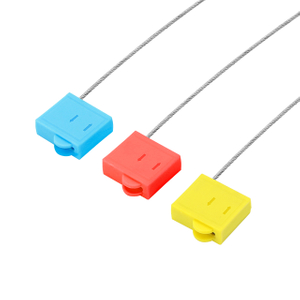
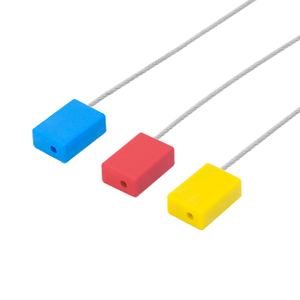
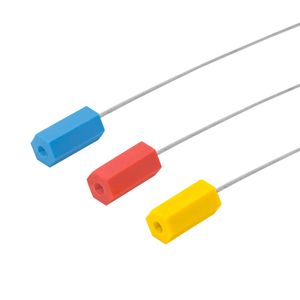
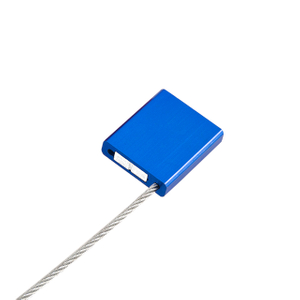
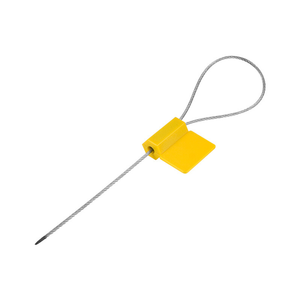
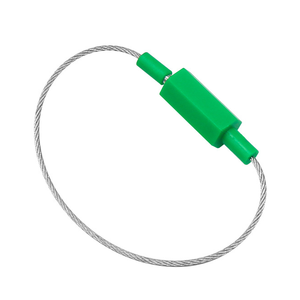
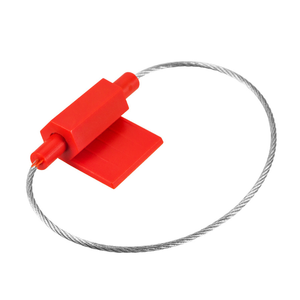
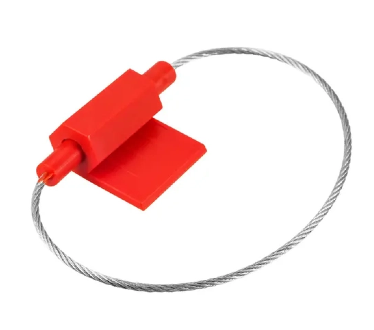
Today, modern Cable Seals have become the absolute industry standard for secure rail transport. They uniquely combine the physical flexibility required for non-standard railcar hatches with advanced brute-strength mechanics. You ultimately need these tamper-evident features to guarantee strict global regulatory compliance across border crossings.
Key Takeaways
Versatility on Non-Standard Hardware: Flexible cables easily thread through misaligned or uniquely shaped latches on hopper and tank cars where rigid bolt seals fail.
Mechanical Tamper Evidence: Advanced designs use non-preformed aircraft steel that frays upon cutting, physically preventing perpetrators from re-inserting the cable.
Regulatory Alignment: Heavy-duty options meet rigorous ISO 17712 and C-TPAT standards, accelerating border clearances and ensuring DOT/EPA compliance for hazardous materials.
Digital Integration: Laser-etched barcoding and sequential numbering eliminate manual logging errors and establish a strict chain of custody.
The Unique Security Realities of Rail Freight
Securing a massive freight train requires a completely different approach than protecting standard intermodal shipping containers. The rail industry operates under unique logistical conditions. These conditions demand specialized locking solutions engineered for unpredictable physical environments.
The Fleet Composition Challenge
Over two-thirds of active rail fleets consist of specialized hopper cars and tank cars. These specific cars feature vastly different locking points compared to standardized shipping containers. A standard cargo container uses uniform door latches. Conversely, railcars utilize complex hatches, rounded valves, and recessed bulkheads. These non-standardized access points make traditional rigid security hardware nearly impossible to apply correctly. You need a versatile locking mechanism capable of adapting to varying hardware shapes.
Prolonged Dwell Times
Trains frequently sit idle in remote, unmonitored sidings or expansive rail yards. Prolonged dwell times dramatically increase the window of opportunity for tampering. Criminals have ample time to bypass weak security measures during these stationary periods. Therefore, railcars require physical barriers capable of withstanding sustained, brute-force attacks. Visual tamper indicators alone cannot deter determined thieves operating in isolated areas overnight.
Dual-Threat Vectors (Full vs. Empty)
Railcar security is not just about preventing the theft of a full payload. It also involves a critical process known as purification validation. Facilities must secure an empty, newly cleaned tank car immediately after washing. This physical seal proves to the next loading facility zero contamination occurred during transit. Protecting the purity of chemical or food-grade tanks is just as important as preventing cargo theft. A compromised empty tank can ruin an entire subsequent batch of valuable liquid commodities.
Cable Seals vs. Rigid Bolt Seals: The Flexibility Advantage
Logistics managers often debate the merits of different heavy-duty lock types. While heavy bolt seals dominate intermodal shipping, they routinely fail in railyard environments. The fundamental difference lies in adaptability.
The Limitation of Rigid Hardware
Heavy bolt seals serve as the gold standard for traditional shipping containers. However, railcar hatches, release valves, and lower bulkheads remain notoriously non-standardized. Rigid metal pins often cannot pass through misaligned or angled latch holes. If a metal latch bends slightly during transit, a straight bolt seal becomes entirely useless. Workers often abandon security protocols when rigid pins refuse to align properly. This operational friction creates severe compliance vulnerabilities across your network.
The Flexibility Solution
A heavy-duty cable seamlessly loops through complex, tight, or asymmetrical locking points. The braided wire navigates around awkward angles easily. This flexibility allows railyard operators to secure virtually any latch design. You no longer need to match specific lock models to specific railcar types. A single flexible model can secure a top hatch on a hopper car and a bottom valve on a liquid tanker.
Tension vs. Fixed Length
Bolt seals always leave slack because they have a fixed locking length. This leftover gap provides enough room for thieves to insert leverage tools. Unlike bolt seals, a tension-type cable seal is pulled flush against the hardware. You tighten the loop until no extra space remains. This flush fit eliminates the gap required for leverage tools like crowbars. Pulling the wire tight significantly increases the difficulty of unauthorized removal. It physically denies intruders the leverage they need to pry the mechanism apart.
Engineering Trust: Anti-Tampering Mechanics of a High Security Cable Seal
A truly effective high security cable seal relies on sophisticated internal engineering. The physical design must actively reveal any tampering attempts while serving as a heavy-duty physical barrier.
Non-Preformed Aircraft Steel
Manufacturers engineer high-quality cables not to hold their shape when severed. We call this non-preformed aircraft steel. If cut, the individual metal strands instantly fray wildly in all directions. This physical reaction makes it impossible to hide the breach. A perpetrator cannot re-thread a frayed cable into the lock housing. This simple but brilliant metallurgical property guarantees immediate visual evidence of a security breach.
Internal Locking Architecture
The true security happens inside the solid lock body. Advanced models feature hidden mechanisms to secure the wire permanently. The design typically includes countersunk holes housing spring-loaded steel balls. When the cable enters the chamber, the steel balls lock into the micro-grooves of the wire under intense spring pressure. This architecture allows smooth one-way entry but physically blocks retraction. Any attempt to pull the wire backward only forces the steel balls to bite deeper into the metal strands.
The "Single-Use" Destruction Mandate
Industry experts follow a strict baseline evaluation rule. A legitimate security seal must require destructive force to remove. Operators must use heavy industrial bolt cutters to break the wire. If a seal can be removed intact, it represents a complete operational failure. The single-use destruction mandate ensures nobody can bypass the lock and reapply it later. Once destroyed, the unique serial number is retired forever.
Navigating Compliance: ISO 17712, C-TPAT, and Industry Standards
Modern supply chains operate under strict legal and regulatory frameworks. Using uncertified hardware exposes your company to massive liabilities and prolonged transit delays. You must understand the specific certifications governing rail transport.
ISO 17712:2013 Certification
The ISO 17712:2013 standard guarantees the device has passed rigorous independent laboratory testing. Testers subject the units to extreme tensile strength, shear, bending, and impact resistance trials. Achieving this certification proves the lock can withstand aggressive physical attacks. Procurement teams should automatically disqualify any heavy-duty lock lacking this specific ISO validation.
C-TPAT Expedited Clearance
Cross-border rail transport requires maximum efficiency to remain profitable. Utilizing a certified high security cable seal is a mandatory prerequisite for Customs-Trade Partnership Against Terrorism (C-TPAT) participation. C-TPAT compliance drastically reduces border inspection delays. Customs officials prioritize trains utilizing approved high-security measures. This expedited clearance keeps your supply chain moving seamlessly across international borders.
Hazardous Materials (Hazmat) Liability
Railcars frequently transport dangerous chemicals and flammable liquids. Securing tank valves with high-strength cables supports strict DOT and EPA compliance. These robust locks mitigate the risk of accidental environmental leaks. Furthermore, they prevent malicious actors from intentionally venting hazardous materials into populated areas. Failing to secure these valves properly invites catastrophic legal liabilities and severe environmental damage.
Compliance Framework
Primary Focus Area
Direct Value to Rail Operators
ISO 17712:2013
Physical durability and tamper-evidence testing
Guarantees resistance against heavy tools and extreme impact.
C-TPAT
Cross-border anti-terrorism supply chain security
Accelerates customs clearance and minimizes random inspections.
DOT / EPA
Hazardous materials containment and safety
Prevents unauthorized access to chemical valves, reducing liability.
Evaluation Framework: Selecting the Right Specifications for Rail
Selecting the appropriate hardware involves matching specific physical traits to your exact fleet requirements. You cannot apply a one-size-fits-all approach to rail network security.
Cable Thickness & Tensile Strength
Thickness determines the physical barrier capacity of the unit.
Lightweight (<2.5mm): Best for secondary transit points like side windows or small inspection panels. These areas require clear tamper evidence. However, heavy physical barrier protection is overkill for these small latches.
Heavy-Duty (3mm - 5mm+): This remains the absolute required standard for main access doors, bottom hoppers, and critical liquid valves. Heavy-duty metal wire possesses 20 to 50 times the tensile strength of plastic alternatives.
Housing Materials
Railcars endure extreme weather conditions, including freezing rain, intense UV exposure, and corrosive salt air. We strongly recommend choosing anodized aluminum or ABS-encased steel bodies. These materials prevent rust and corrosion in harsh rail environments. Additionally, brightly colored anodized aluminum easily reveals physical tampering, such as deep scratches or tool marks, on the lock body itself.
Digital Tracking Enhancements
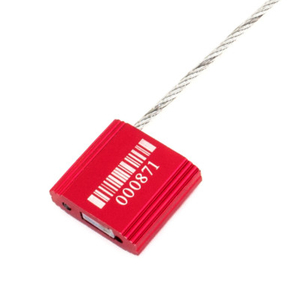
Modern hardware bridges the gap between physical security and digital transportation management systems (TMS). You should evaluate customization options carefully. High-contrast laser etching provides permanent, unalterable markings. You can request custom barcodes, QR codes, and alphanumeric serials. Scanning a laser-etched barcode eliminates manual data entry errors. This integration establishes a flawless, digitized chain of custody from origin to destination.
Component
Recommended Specification
Primary Benefit for Rail Transport
Wire Diameter
3.5mm or higher
Resists standard hand tools; requires industrial cutters to breach.
Body Material
Anodized Aluminum
Prevents rust in outdoor yards; clearly shows scratch marks from tampering.
Wire Construction
Non-preformed Aircraft Steel
Frays violently upon cutting, physically preventing re-insertion.
Identification
Laser-Etched Barcode
Integrates directly with digital scanners to prevent manual logging errors.
Standard Operating Procedures (SOPs) for Rollout and Verification
Even the strongest physical lock fails if your personnel apply it incorrectly. Establishing clear Standard Operating Procedures (SOPs) is critical for maximizing supply chain integrity. You must train your teams to execute these protocols flawlessly.
Layered Security Application
We advise procurement teams to adopt a tiered approach to hardware application. You should use heavy-duty locks for primary load-bearing doors and high-risk valves. Simultaneously, deploy lighter indicative tags for secondary access points. This layered strategy optimizes your security budget while protecting all vulnerable vehicle nodes effectively.
The Application and Verification Loop
A closed-loop verification process ensures accountability across the entire transit lifecycle. Implement the following procedural steps:
Origin Application: The loading team must secure the lock and pull the wire to its absolute maximum tension.
Origin Documentation: The operator must immediately scan or log the exact alphanumeric code into the International Consignment Note (CMR) or the digital manifest.
Destination Visual Check: Upon arrival, the receiver must visually inspect the wire for fraying and check the metal housing for tool scratches.
Destination Physical Check: The receiver must physically tug the lock body downwards to ensure the internal mechanism is engaged.
Data Verification: Finally, the receiver must verify the laser-etched number against the digital manifest before applying bolt cutters to open the railcar.
Exception Handling
You must define immediate protocols if a lock is missing, broken, or mismatched. If the physical serial number does not match the manifest document, workers must halt unloading immediately. Personnel should document the discrepancy with clear photographs. They must alert the regional supply chain manager before breaking the compromised lock or opening the hatch. Strict exception handling prevents contaminated or stolen goods from entering your inventory stream.
Conclusion
Protecting rail freight requires far more than applying a simple padlock. It requires an integrated, tamper-evident system highly adaptable to non-standard hardware profiles. Railcars feature complex latches, demanding a flexible yet incredibly resilient locking solution to maintain cargo integrity across unmonitored distances.
When selecting hardware, decision-makers should strictly prioritize ISO 17712 certified models. Ensure you specify non-preformed wire construction to guarantee anti-tampering fraying. Furthermore, demand customized laser-etched tracking to streamline your digital logging processes. These specific features separate adequate security from bulletproof compliance.
As a next step, logistics managers should immediately audit their current railcar locking mechanisms. Assess your fleet's compliance with modern cross-border standards like C-TPAT. Finally, request technical samples of 3mm to 5mm locks to conduct rigorous field testing on your specific hopper and tank cars today.
FAQ
Q: Can a high security cable seal be reused?
A: No, they are inherently single-use devices. Cutting them causes the internal wire strands to fray wildly. This physical reaction renders them entirely impossible to re-lock or re-thread. This destruction mechanism is a deliberate security feature designed to provide undeniable visual evidence of tampering.
Q: What tools are required to remove a heavy-duty cable seal from a railcar?
A: Removal strictly requires industrial cable cutters or heavy-duty bolt cutters. These robust devices possess massive tensile strength. They cannot be broken by hand, snapped with leverage tools, or cut using standard household pliers.
Q: Why use a cable seal instead of a heavy-duty plastic padlock seal?
A: Plastic seals only provide basic visual tamper evidence and possess extremely low tensile strength. Criminals can snap them easily. Conversely, thick metal wires act as both a tamper-evident credential and a formidable physical barrier against unauthorized entry.