- Home
-
- Industries
-

Are Disposable Plastic Security Seals Reusable Or Single‑use Only?
Views: 0 Author: Site Editor Publish Time: 2026-02-03 Origin: Site


Plastic security seals play a vital role in securing shipments and containers, ensuring that goods remain intact and protected during transportation. These seals are designed to provide tamper-evidence, offering a clear indication if unauthorized access has occurred. They are commonly used in various industries, including logistics, pharmaceuticals, and food shipping, to safeguard valuable or sensitive items. Understanding whether plastic security seals are reusable or single-use is crucial for businesses to ensure the proper level of security. Single-use seals are typically designed to be discarded after being applied, providing a one-time guarantee of security, while reusable seals offer the advantage of multiple uses but may not always offer the same level of tamper-evidence. Choosing the right type of seal is essential for balancing cost, security, and regulatory compliance.
What Are Disposable Plastic Security Seals?
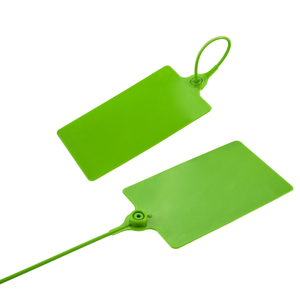
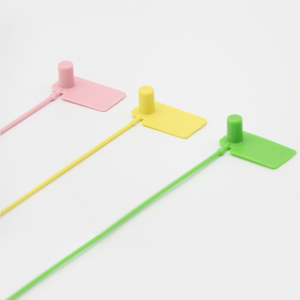
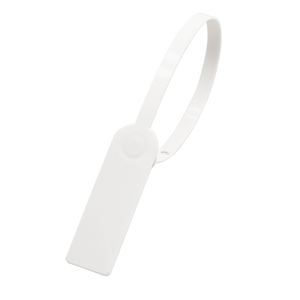
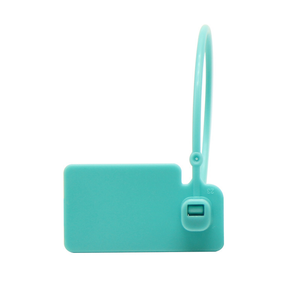
Disposable plastic security seals are tamper-evident devices designed to secure shipments, containers, or doors, ensuring that the contents remain intact during transit. These seals are primarily used for one-time use and are broken or damaged when tampered with, providing clear evidence that a package has been accessed. Their main purpose is to enhance security by preventing unauthorized access and offering a reliable way to monitor and protect goods.
1. Pull-Tight Seals
Overview:
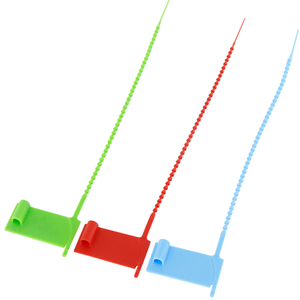
Pull-tight seals are simple, cost-effective, and easy to apply. They tighten as they are pulled, ensuring a secure fit. These seals provide tamper evidence once they are broken.
Industries:
Commonly used in e-commerce, postal services, retail, and general cargo shipments where basic security and cost-effectiveness are important.2. Breakaway Seals
Overview:
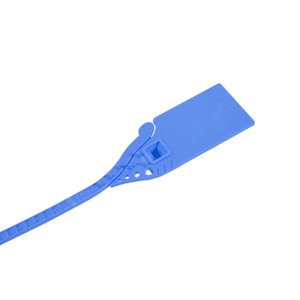
Breakaway seals are designed to break when tampered with, ensuring visible evidence of tampering. These seals are ideal for high-security applications where it’s crucial to detect unauthorized access.
Industries:
Frequently used in pharmaceuticals, electronics, high-value goods, and customs applications where sensitive products need extra protection.3. Cable Seals
Overview:
Made from a durable metal cable coated with plastic, these seals are highly secure and resistant to tampering. They are particularly suitable for larger containers and heavy-duty applications.
Industries:
Used in logistics, shipping, and transport of large containers, trucks, and high-value shipments.4. Adjustable Seals
Overview:
Adjustable seals can be sized to fit different container sizes, offering flexibility while maintaining a high level of security. These seals also provide clear tamper evidence.
Industries:
Ideal for container shipping, warehouse management, and logistics where different-sized shipments require secure sealing.5. Security Tags and Labels
Overview:
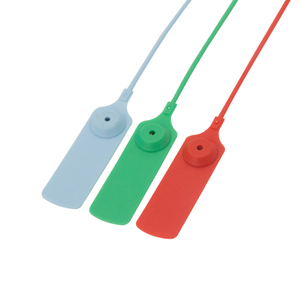
These seals often come in the form of tags or labels and are used as an additional layer of security. They are often affixed to goods or containers and provide visual evidence of tampering.
Industries:
Primarily used in retail, logistics, and supply chain management to prevent theft and ensure goods’ integrity during transport.Single-Use vs. Reusable Seals
Plastic security seals can be categorized as either single-use or reusable, with each type offering distinct advantages depending on the security needs and operational requirements. Here's an overview of both types:
1. Single-Use Plastic Security Seals
Definition and Features
Single-use plastic security seals are designed to be applied once and then discarded after use. These seals provide tamper-evident functionality, meaning that once the seal is broken, it cannot be resealed, offering a clear indication that the container has been accessed. They are generally made from materials like polyethylene, polypropylene, or PVC and are easy to apply and dispose of after the shipment or container has been accessed.
Why They Are Designed for One-Time Use Only
Single-use seals are engineered to offer one-time security assurance. Their one-time design ensures that no tampering occurs without leaving visible evidence, which is essential for applications where unauthorized access is a concern. After breaking the seal, it is no longer functional, and the goods cannot be resealed, thus maintaining the integrity of the security system. The inability to reuse the seal makes it more reliable for security purposes.
Examples of Industries Where Single-Use Seals Are Common
Logistics: Used to secure shipments and containers during transit, ensuring that goods are protected until they reach their destination.
Food Industry: Seals are used for packaging to ensure food safety, especially in refrigerated transport where tampering could cause contamination.
Pharmaceuticals: Single-use seals are essential for ensuring the safety and integrity of sensitive drugs and medical products during transport, meeting regulatory standards and maintaining tamper-evident protection.
2. Reusable Plastic Security Seals
Characteristics of Reusable Seals
Reusable plastic security seals are designed to be applied multiple times. They typically feature mechanisms that allow the seal to be securely locked and unlocked without being damaged, such as a locking mechanism with a key or combination. These seals are often made from stronger, more durable materials like stainless steel or reinforced plastic, which ensures they can withstand repeated use. They are ideal for long-term security needs where multiple applications are required.
How They Differ from Disposable Seals in Terms of Design and Material
Reusable seals differ from single-use seals mainly in their construction and functionality. While single-use seals are designed to break when tampered with and provide evidence of access, reusable seals are built to last and can be locked and unlocked as needed. Reusable seals often have a stronger design to ensure they can be applied and removed without compromising their security function. The materials used are also more durable, such as high-strength plastics or metal components, which allow them to withstand repeated use.
Use Cases for Reusable Seals
Storage and Warehousing: Reusable seals are used in warehouses and storage facilities to lock doors, gates, or containers multiple times without the need for a new seal for every use.
Cargo Shipping: They are used for high-security shipping where frequent access is needed but tampering must be avoided, such as securing containers that need to be opened for inspections during long-haul transport.
Asset Management: Used to secure valuable assets, such as machinery or equipment, that need to be accessed regularly but require high levels of security.

Why Disposable Seals Are Single-Use
Disposable plastic seals are designed for single-use only, offering a simple and effective way to secure goods, containers, and shipments. Their one-time design is driven by security, material limitations, and the need for tamper-evidence. Here’s why disposable seals are single-use:
1.Security Reasons: Ensuring Tamper-Evidence and Preventing Reuse
The primary purpose of a disposable seal is to provide visible evidence of tampering. Once broken or damaged, it cannot be restored, ensuring that unauthorized access is immediately detectable. This feature prevents reuse, making them ideal for high-security applications where tampering or theft must be easily identified.
2.Design Limitations and Material Choices
Disposable seals are made from lightweight, cost-effective materials like polyethylene (PE), polypropylene (PP), or PVC. These materials are flexible and easy to use but are not durable enough for multiple applications. In contrast, reusable seals use stronger materials like nylon or steel, which allow for repeated use. Disposable seals are specifically designed for one-time use to keep costs low while maintaining security.
3.Why They Are Critical for One-Time Security Assurance
Disposable seals provide essential one-time security assurance, particularly for industries where goods need to remain unaltered until delivery. The irreversible nature of broken seals ensures peace of mind for businesses and customers, especially in pharmaceuticals, food, and high-value shipments, where compromised seals could lead to trust issues or regulatory non-compliance.
The Importance of Choosing the Right Seal
Selecting the right seal is essential for securing shipments, balancing cost, security, and industry-specific needs. Here's a summary of the key factors to consider:
1. Factors Influencing the Choice Between Single-Use and Reusable Seals
Cost
Single-Use Seals: More affordable, ideal for short-term protection or low-cost shipments.
Reusable Seals: Higher initial cost but more cost-effective for frequent use or long-term security.
Security
Single-Use Seals: Provide higher security by offering tamper-evidence, crucial for sensitive goods.
Reusable Seals: Suitable for less stringent security needs but may not offer the same tamper-evident features.
Industry Needs
Single-Use: Common in industries like pharmaceuticals and food, where tamper-evidence is critical.
Reusable: Preferred in logistics or long-term applications where frequent access is needed.
2. The Role of Seals in Maintaining Shipment Integrity and Safety
Seals ensure that shipments remain intact and secure during transit. They provide tamper-evidence, prevent theft, and maintain product integrity, especially for high-value or sensitive items. The right seal ensures compliance with safety regulations and builds customer trust by guaranteeing that goods have not been tampered with.
FAQ
1.Can disposable plastic security seals be reused if they are not tampered with?
Disposable seals are designed for one-time use. Once broken or removed, they cannot provide the same level of security, even if undamaged.
2.Are reusable plastic seals as secure as disposable ones?
Reusable plastic seals can be secure, but they may not offer the same tamper-evident features as disposable seals. Their security depends on proper application.
3.What happens to disposable plastic seals after use?
Once used, disposable plastic seals are discarded. Their design ensures they cannot be reused, providing a clear indication if tampered with.
4.Why are some industries required to use disposable plastic security seals?
Certain industries, such as pharmaceuticals and food shipping, require single-use seals for regulatory compliance, ensuring that goods remain secure and untampered.
Conclusion
In conclusion, most disposable plastic security seals are designed for single-use, offering a cost-effective and tamper-evident solution for securing shipments. Their one-time use ensures that any tampering is immediately visible, making them ideal for high-security applications where the integrity of the goods must be preserved throughout transport. These seals play a crucial role in ensuring the safety and security of sensitive and high-value shipments, such as pharmaceuticals, food, and electronics. By providing clear evidence of unauthorized access, they help protect both the goods and the trust between businesses and customers, ensuring compliance with regulatory standards and maintaining the highest level of security during transit.