- Home
-
- Industries
-

How to track the usage of PP Material Plastic Padlock Seals?
Views: 0 Author: Site Editor Publish Time: 2026-09-05 Origin: Site


Are your secure shipments truly safe from tampering, or is there a silent vulnerability lurking in your logistics network? Imagine a high-value shipping container arriving at a medical facility. The receiving manager walks up to the dock, only to realize the locking device has been swapped with an identical, undocumented replacement. A missing or compromised closure usually means a broken supply chain. Untracked security devices leave your most critical assets completely vulnerable to internal theft and external manipulation.
Purchasing high-quality tamper-evident devices is merely the first line of defense. Without a robust and meticulously managed tracking mechanism, a physical barrier is just a colorful piece of plastic. In this comprehensive guide, you will learn the exact practical steps required to transform that plastic into a measurable, highly secure data point. We will show you how to track your inventory effectively, ensuring absolute accountability from the warehouse floor to the final destination.
Key Takeaways
Unique Identifiers are Crucial: Effective tracking relies heavily on customizing your security devices with sequential numbering, barcodes, or QR codes. This prevents unauthorized substitution.
Chain of Custody is Everything: A strict logging system must track the asset from the exact moment it is issued to the moment it is officially authorized to be cut.
Digital Integration Saves Time: Upgrading from manual paper logs to handheld barcode scanners drastically reduces human error. It also accelerates processing times on busy loading docks.
Standard Operating Procedures Prevent Breaches: Clear protocols for auditing, inspecting, and safely disposing of broken units are essential. They help identify organized tampering attempts early.
Customization Enhances Tracking: Selecting the right color-coding strategies and laser-printed information makes visual tracking effortless for warehouse personnel.
Industry Trends: The Shift Toward Digital Supply Chain Transparency
Looking closely at the current logistics landscape, a massive shift toward digital transparency is rapidly unfolding. Market analysis reveals that global demand for trackable, tamper-evident plastic padlock seals is surging. This growth is driven largely by stringent pharmaceutical regulations and the high stakes of e-commerce transit. Forward-thinking logistics companies are rapidly moving away from isolated physical checks. Instead, they are integrating tracking data directly into cloud-based platforms. In some cutting-edge scenarios, supply chain managers are even exploring blockchain ledgers to ensure an absolutely immutable chain of custody. The era of guessing where a shipment was compromised is over. Today, data-driven visibility is a mandatory operational standard.
Why Tracking Your Polypropylene Security Seal Inventory Matters
Securing a supply chain requires more than just locking a door. It demands absolute visibility. Proper tracking transforms a simple physical barrier into a dynamic tool for operational intelligence.
Preventing Unauthorized Access and Theft
A thoroughly documented tracking system establishes a formidable psychological deterrence against internal theft. Picture a busy loading dock. When personnel are fully aware that every single unit is logged, monitored, and audited, the temptation to bypass security protocols decreases significantly. Furthermore, if a breach does occur, a tracked device provides undeniable physical proof of the event. This shifts the organizational focus away from vague suspicions. It points directly toward actionable, evidence-based investigations.
Ensuring Regulatory Compliance
Many highly regulated industries simply cannot function legally without strict, verifiable audit trails. For instance, the pharmaceutical sector and hazardous medical waste management require documented proof of secure transit. Storage units and transport containers must remain hermetically sealed. By implementing a systematic tracking process, organizations can confidently meet the rigorous compliance standards set by international regulatory bodies. Consequently, they avoid crippling fines and severe legal liabilities.
Identifying Vulnerabilities in the Supply Chain
Data becomes invaluable the moment a shipment goes missing or arrives bearing a mismatched serial number. By accurately logging the exact time, date, and GPS location of application, security managers can effectively pinpoint specific blind spots. This proactive approach allows logistics companies to reinforce security measures in targeted warehouses. It eliminates the need to guess where the loss actually occurred.
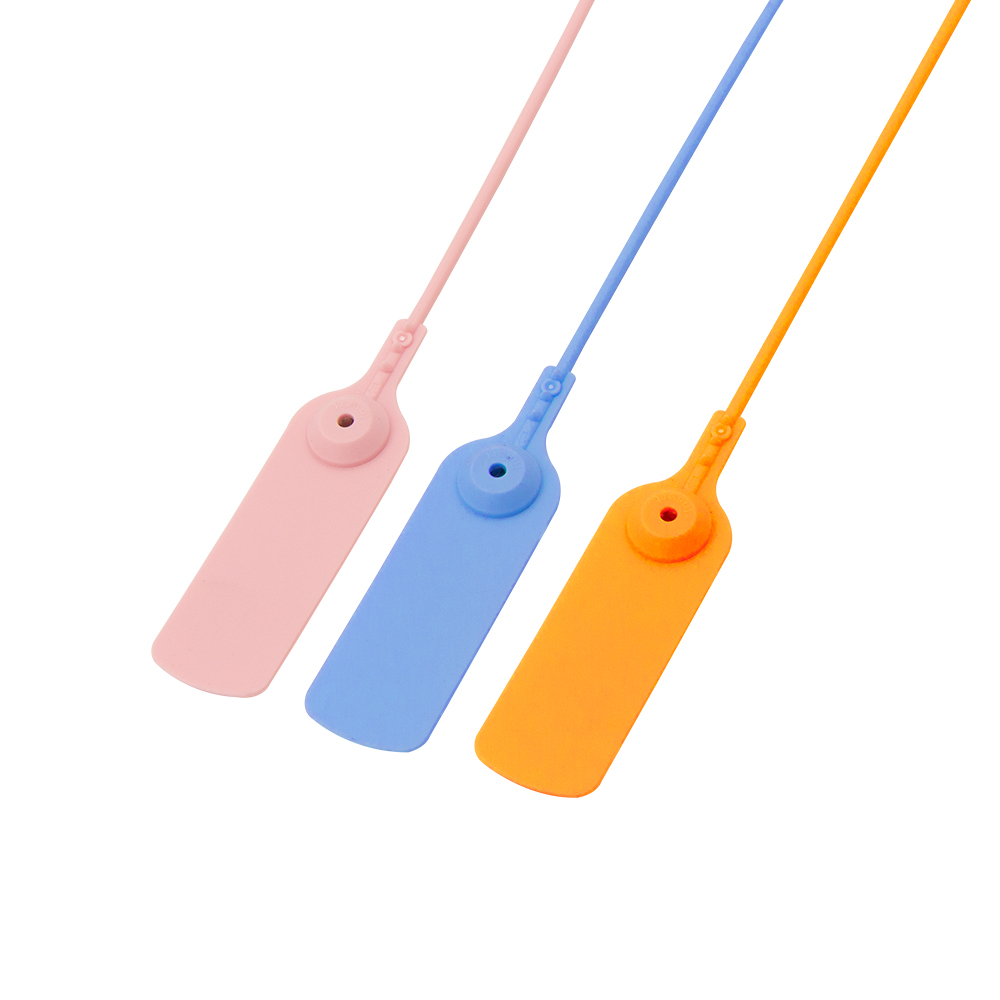
Essential Tracking Features on Polypropylene Padlock Seals
To implement a successful and scalable tracking system, the hardware itself must be manufactured with specific, unalterable identification features. Standard blank units offer absolutely no tracking value. They should be completely avoided in high-security environments.
Sequential Serial Numbering and Laser Engraving
The most fundamental tracking feature is sequential serial numbering. Unique numbers ensure that no two items in your inventory are identical. This prevents bad actors from simply cutting a strap to access the contents and replacing it with an off-the-shelf substitute. Laser engraving is highly preferred over traditional ink. The laser beam physically penetrates and melts the plastic surface. This makes it virtually impossible to scratch off or alter the numbers without leaving obvious, suspicious marks.
Barcodes and QR Codes for Rapid Scanning
Relying on the visual reading of serial numbers is often too slow for modern logistics. It is also incredibly prone to human error. Utilizing a custom-branded security seal equipped with high-contrast barcodes allows for rapid, flawless digital scanning. This specific feature integrates seamlessly with existing warehouse management systems. It enables dock workers to log complex assets in mere milliseconds.
Metal Buckle Inserts for Maximum Integrity
From a field engineering perspective, the internal locking mechanism dictates the true security of the device. Purely plastic locking chambers can sometimes be manipulated with heat or specialized tools. Upgrading to a design featuring a stainless steel metal buckle insert drastically increases the tensile strength. Once the round strap passes through the metal teeth, reversing it becomes physically impossible without destroying the housing.
Core Comparison: Standard vs. Engineered Tracking Seals
Understanding the difference between basic consumables and engineered security hardware is critical for procurement. Below is a direct comparison highlighting why specific manufacturing features matter for tracking.
Feature
Generic Plastic Seals
Engineered Tracking Seals
Locking Mechanism
All-plastic molded chamber
Stainless steel metal buckle insert
Data Printing
Hot stamping or standard ink
Deep laser engraving
Strap Design
Flat, short length
600mm long round strap for versatile looping
Tracking Reliability
Low. Ink fades during rough transit.
High. Barcodes remain scannable in harsh weather.
Step-by-Step Guide: How to Track Inventory Usage
Even the most sophisticated tracking system is entirely ineffective if it is not followed with unwavering consistency. Below is a standardized, objective framework designed for managing your inventory from issuance to disposal.
Secure Storage and Inventory Management
The tracking process must begin long before the device is ever applied to a container. Unissued inventory must be kept under lock and key in a highly secure, monitored location. Access should be strictly restricted to a designated security officer. By treating unissued stock with the exact same level of security as the valuable assets they protect, you effectively prevent unauthorized personnel from stealing a blank unit for a future cover-up.
The Issuance Log
Whenever a unit is required for a shipment, it must be officially issued and accurately recorded. Specific data points must be captured without exception. These include the exact date and time of issuance, the specific serial number, the employee identification number, and a clear description of the specific container being secured.
Application and the Pull-Back Test
Once applied to the container hasp, the locking mechanism must be rigorously verified. Field technicians must push the round strap into the locking chamber until a distinct, tactile click is felt. Industry best practices dictate a mandatory pull-back test. The operator must firmly tug on the strap to ensure the metal teeth have permanently bitten into the plastic. Alternatively, organizations can require the employee to capture a clear digital photograph of the locked mechanism alongside its serial number.
Destination Verification and Cutting
At the receiving dock, the shipment must be thoroughly inspected before any cutting tools are introduced. The receiver is responsible for checking for subtle signs of physical tampering. Following the visual inspection, the serial number must be cross-referenced directly with the digital shipping manifest. Only after the number is verified and the physical integrity is confirmed should the strap be cut.
Implementing Digital Tracking Systems
Relying on traditional paper logs introduces a host of inherent risks. Physical pages can be easily lost, handwriting is often illegible, and conducting historical audits is incredibly time-consuming. Transitioning to a secure cloud-based spreadsheet or dedicated inventory software instantly centralizes your data.
Perhaps the most significant operational upgrade is the widespread adoption of scanning technology. Warehouse workers and delivery drivers can utilize rugged handheld barcode scanners to log an item instantly. Scanning automatically updates the central database. It records the exact timestamp and frequently captures the GPS coordinates of the scan. This creates a flawless, unarguable chain of custody. Modern software can even trigger automated alerts if a worker attempts to scan a serial number that the database has already marked as destroyed.
Standard Operating Procedures for Managing Compromised Shipments
Even the most advanced tracking software is useless if your ground staff does not know how to respond to a compromised locking mechanism. Establishing strict protocols ensures that every employee handles potential security breaches with absolute consistency.
How to Inspect Polypropylene for Tampering
Polypropylene is an ideal material for security applications precisely because it inherently displays physical signs of stress when manipulated. Personnel must be trained to identify these subtle indicators. When the plastic is bent, twisted, or forced beyond its natural flexibility, it undergoes molecular stress. This manifests as distinct white marks, commonly known as blushing. Inspectors should also carefully feel for raised edges or shiny patches around the housing.
Protocol for Mismatched Serial Numbers
When a shipment arrives and the serial number fails to match the original issuance log, it must be treated as an active, critical security breach. A mismatched number typically indicates that the original lock was removed during transit. In this scenario, the receiving employee must immediately halt the unloading process and quarantine the asset. Facility security directors must be notified immediately to initiate a formal investigation.
Common Mistakes to Avoid When Tracking Inventory
Implementing a tracking system requires meticulous attention to administrative detail. Many organizations invest heavily in physical security hardware but completely fail to maintain operational discipline. Avoiding these errors is critical.
A fundamental rule of security tracking is that a serial number must represent a unique, unrepeatable event in time. One of the most severe administrative errors a procurement department can make is ordering new batches of inventory with the exact same numerical sequence as a previous order. If serial numbers overlap, your digital management system will inevitably register duplicate entries. This invalidates regulatory compliance reports and provides an easy alibi for internal theft.
Furthermore, failing to train staff on proper application renders the hardware useless. A padlock design is only secure if the internal teeth are fully engaged. Training programs must heavily emphasize the physical verification steps to prevent accidental loose locking.
How to Choose the Right Security Hardware for Your Tracking Needs
The overall effectiveness of your tracking protocols depends heavily on the quality of the hardware you procure. Selecting the correct specifications ensures that the device can withstand environmental stress while maintaining crystal-clear legibility.
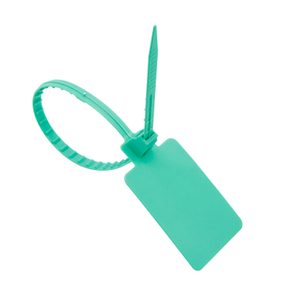
Before purchasing, carefully evaluate the physical dimensions of the asset you need to secure. Securing oversized cargo, large warehouse tote boxes, or thick metal hasps requires specialized dimensions. For these demanding applications, engineers highly recommend a 600mm Round Strap PP Seal. The extended length provides the necessary flexibility to loop around awkward latches. This prevents workers from improperly forcing a small strap onto a large container, which compromises the lock.
Additionally, always prioritize laser engraving over surface ink. Procurement managers should actively avoid devices that utilize thermal transfer printing for high-security routes. Laser engraving creates a permanent, high-contrast mark. This guarantees the barcode will remain perfectly readable despite heavy friction or prolonged weather exposure.
Conclusion
A meticulously structured tracking system is the only way to ensure your high-value assets remain truly safe. By combining robust physical features like metal buckle inserts and laser-engraved barcodes with strict operational procedures, organizations can effectively prevent unauthorized access. Transitioning from outdated paper logs to modern digital tools reduces human error and saves significant capital by eliminating inventory loss. Upgrade your security protocols today to protect your supply chain.
If you are ready to implement a flawless tracking system, you need hardware engineered for the task. Visit SD Junyue to configure custom polypropylene security solutions tailored to your exact logistics requirements.
Frequently Asked Questions
Can a polypropylene security device be reused after it is cut?
No. These devices are explicitly designed to be single-use and tamper-evident. Once the internal metal locking mechanism is engaged, it permanently traps the strap. To open the secured asset, the plastic must be physically cut or broken. It can never be reassembled or reused without showing obvious signs of destruction.
What is the best way to record serial numbers in a fast-paced warehouse?
The most efficient and error-free method is digital logging. Using a rugged handheld barcode scanner to read the laser-printed barcode directly into an inventory management database completely eliminates the risk of human transcription errors associated with manual paper logs.
Why is polypropylene material preferred for tamper-evident tracking?
Polypropylene is highly durable, cost-effective, and incredibly resistant to extreme temperature fluctuations. Most importantly, it clearly shows blushing when subjected to unnatural stress. This unique material property makes visual tampering inspections highly reliable for dock staff.
How long do polypropylene security seals last in harsh transit conditions?
High-grade polypropylene is engineered to withstand severe weather, UV exposure, and heavy vibrations for the entire duration of a standard global shipping cycle. When combined with deep laser engraving, the tracking data remains fully intact and scannable for months in outdoor environments.
Can barcode scanners accurately read colored plastic seals in low light?
Yes, provided the manufacturer uses high-contrast laser engraving. Dark laser marks on lighter colored plastic, like yellow or white, offer the best contrast for infrared barcode scanners. This ensures rapid and accurate reads even in dimly lit warehouse environments or inside cargo trailers.