

- Home
-
- Industries
-

Material Matters: What Your Security Seal Is Really Made Of
Views: 0 Author: Site Editor Publish Time: 2026-10-20 Origin: Site


What you'll learn:
Detailed engineering properties of primary polymer materials including Polypropylene, Nylon, Polycarbonate, and ABS used in security sealing manufacturing.
Metallurgical characteristics and tensile breaking thresholds of carbon steel, stainless steel, aluminum, and zinc alloys used in high security barrier seals.
The functional advantages of hybrid seal designs that integrate metal locking mechanisms with high impact polymer bodies.
Environmental resistance factors, UV stabilization additives, and thermal performance thresholds required for long term international transit.
Strategic material selection criteria to eliminate tampering vulnerabilities and satisfy international cargo security compliance frameworks.
Not Just Plastic: Polymers with Purpose
When designing indicative security seals, polymer science determines the baseline mechanical performance, flexibility, and environmental resilience of the product. Selecting the correct plastic resin is not merely a matter of material availability; it requires balancing tensile elongation, melt flow index, and resistance to environmental stress cracking. In high volume logistics, seals must withstand rough handling, temperature fluctuations ranging from sub-zero arctic shipping lanes to tropical desert heat, and mechanical vibration without experiencing brittle fracture or unwanted elongation. Our manufacturing philosophy emphasizes the precise formulation of virgin polymer resins to ensure that every molded strap delivers consistent breaking loads and reliable locking chamber engagement.
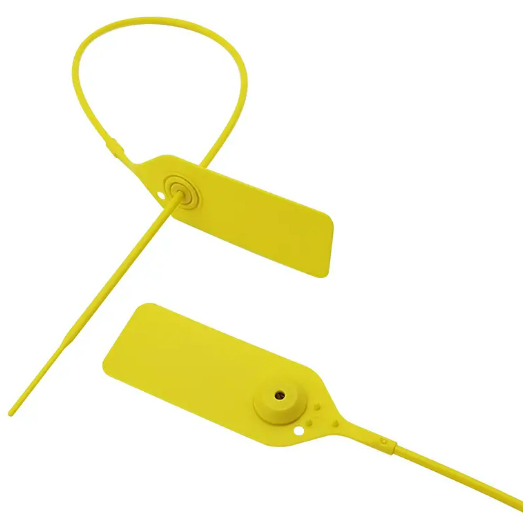
Polymer selection directly influences how a seal behaves when subjected to tampering attempts. An ideal security seal polymer exhibits distinct stress whitening or permanent physical deformation when cut, heated, or manipulated, providing clear visual evidence of compromise. Furthermore, modern global supply chains demand polymers that can accept laser marking or hot foil stamping without degrading the structural integrity of the seal body. By utilizing advanced compounding techniques, we optimize our polymer formulations to achieve the exact balance of rigidity and ductility required for secure container, tote, and utility meter applications. For specialized operations requiring robust tamper resistance on wider strap configurations, industrial operators frequently deploy advanced solutions such as the heavy-duty serrated flat strip polypropylene security seal, which leverages optimized polymer wall thickness to prevent unauthorized slipping or thermal manipulation.
The integration of engineered plastics extends beyond simple strap seals into complex multi-piece locking mechanisms where dimensional stability is paramount. Even microscopic dimensional shifts during the injection molding cooling phase can compromise the internal metal locking jaw's biting efficiency. Therefore, rigorous quality control protocols monitor mold shrinkage rates and moisture absorption levels across all polymer batches. European clients, in particular, demand strict compliance with international material safety and environmental standards, necessitating the use of heavy metal free colorants and recyclable polymer streams that do not sacrifice mechanical performance.
Polypropylene (PP)
Polypropylene is the foundational workhorse of the indicative security seal industry, offering an exceptional balance of chemical resistance, fatigue resistance, and cost efficiency. Its low density allows for lightweight, high volume manufacturing, which is crucial for high throughput logistics operations where thousands of seals are deployed daily. Polypropylene exhibits excellent resistance to moisture and common industrial solvents, ensuring that the seal remains structurally sound when exposed to rain, oils, and cleaning agents during transit.
The molecular structure of polypropylene provides high gloss surface finishes that facilitate crisp, permanent laser or barcode printing for tracking numbers and sequential numbering. However, standard polypropylene can become brittle under prolonged exposure to ultraviolet radiation unless fortified with specialized UV stabilizing additives. Our engineering protocols incorporate advanced hindered amine light stabilizers into the PP matrix, preventing polymer chain scission and maintaining elongation properties even after months of outdoor exposure on freight containers.
Nylon (PA)
When applications demand superior mechanical strength, high impact resistance, and exceptional rigidity, nylon represents the premier choice among engineering thermoplastics. Nylon polymers feature strong intermolecular hydrogen bonding, which translates into remarkable tensile strength and wear resistance compared to standard polyolefin alternatives. This makes nylon particularly valuable for heavy duty pull tight seals that must secure high value cargo or heavy industrial bags where pulling forces frequently exceed standard operational thresholds.
Nylon's inherent resistance to abrasion and thermal degradation allows security seals manufactured from this material to maintain structural integrity in demanding mechanical environments. Unlike softer plastics that can stretch or yield under sustained tension, nylon maintains its grip within the locking chamber. It is important to account for moisture absorption characteristics during the manufacturing phase, as polyamide materials can absorb ambient humidity, which slightly alters their flexibility and impact resistance prior to deployment.
Polycarbonate (PC)
Polycarbonate is selected for specialized security seal components where optical clarity, extreme impact strength, and dimensional stability are mandatory. The transparent nature of polycarbonate allows inspectors to visually verify the internal locking mechanism and ensure that no foreign shims or bypass tools have been inserted into the seal body. This transparency is heavily utilized in utility meter seals and sensitive electronic enclosure locks where internal component visibility is a core security requirement.
The impact resistance of polycarbonate is legendary, absorbing high kinetic energy impacts without fracturing, which prevents physical shattering during tampering attempts involving sharp blows. Furthermore, polycarbonate exhibits superior thermal stability, retaining its mechanical properties across a wide operating temperature spectrum. This ensures that the locking housing will neither soften in high heat environments nor become excessively brittle in freezing conditions, providing consistent security assurance worldwide.
ABS (Acrylonitrile Butadiene Styrene)
ABS is a terpolymer prized for its unique combination of rigidity, toughness, and ease of processing, making it an excellent material for multi component security seal bodies and housings. The acrylonitrile component provides chemical resistance and thermal stability, butadiene contributes rubbery impact resistance, and styrene imparts a rigid, glossy surface finish. This synergistic blend allows ABS seals to withstand aggressive mechanical stress and physical impacts during transit.
In security seal design, ABS is frequently utilized for the outer shell of complex indicator seals or locking chambers where structural rigidity prevents the housing from flexing under tension. Its compatibility with ultrasonic welding enables secure, hermetic sealing of internal locking components, preventing tampering through casing separation. Additionally, ABS accepts pad printing and laser etching exceptionally well, ensuring that sequential barcodes and corporate logos remain legible throughout the shipping lifecycle.
Material Maintenance and Thermal Optimization: To guarantee optimal performance of polymer security seals, inventory must be stored in temperature controlled environments away from direct sunlight and extreme humidity. Exposure to UV radiation prior to deployment initiates premature photo oxidation, degrading polymer chain length and reducing the force required to fracture the sealing strap. Proper stock rotation ensures that polymer seals are deployed within their optimal shelf life window, preserving maximum tensile strength and tamper evident reliability.
Metal Matters: The Backbone of High-Security Seals
While polymers excel in indicative and adjustable security applications, high security barrier seals and heavy duty cable seals rely entirely on advanced metallurgy to withstand extreme physical attacks. When securing intermodal freight containers crossing international borders, seals must defeat coordinated breaching attempts utilizing bolt cutters, hydraulic shears, and mechanical pulling devices. The transition from polymer to metallic components introduces high shear strength, high hardness, and complex crystalline microstructures that resist localized plastic deformation.
Engineering high security metallic seals requires precise control over alloy composition, heat treatment processes, and surface coatings to prevent environmental corrosion while maximizing tensile breaking loads. European and North American customs authorities enforce rigorous international standards, such as ISO 17712 classification for high security seals, which mandate minimum breaking thresholds and tamper resistance criteria. Our metallurgical selection process prioritizes materials that provide catastrophic failure modes—meaning the seal shatters or breaks completely rather than stretching or slipping under extreme mechanical leverage—thereby eliminating any ambiguity regarding cargo tampering.
Carbon Steel
Carbon steel serves as the bedrock of high security bolt seals and heavy duty barrier locks due to its exceptional tensile strength, hardness, and cost effectiveness. By controlling the carbon content within the iron matrix and applying targeted thermal quenching and tempering cycles, our engineering team achieves high surface hardness that blunts cutting edges while preserving internal ductility to resist shock loads during transport vibration.
Because carbon steel is susceptible to oxidation and atmospheric corrosion, every structural steel component undergoes precision electroplating or powder coating. This protective barrier prevents rust formation during long ocean voyages through highly saline maritime environments. When integrated into container bolt seals, carbon steel provides the definitive physical barrier required to satisfy global supply chain security mandates.
Stainless Steel
Stainless steel alloys, particularly austenitic and martensitic grades containing chromium and nickel, are deployed where superior corrosion resistance and high tensile strength are non negotiable. The formation of a passive chromium oxide surface layer renders stainless steel virtually immune to rust, even when exposed to harsh industrial chemicals, road salts, and continuous saltwater spray. This makes stainless steel the definitive material for high security braided cable seals used on tanker trucks and intermodal containers.
The mechanical properties of stainless steel allow wire ropes to be drawn to precise diameters while maintaining massive tensile breaking loads. When a stainless steel cable seal is cut, the individual strands fray in a distinct manner that cannot be easily repaired or concealed, providing undeniable visual evidence of tampering. Furthermore, the toughness of stainless steel resists rapid mechanical shearing, requiring heavy duty hydraulic cutting tools to breach.
Aluminum Alloys
Aluminum alloys combine lightweight characteristics with favorable corrosion resistance and moderate strength, making them ideal for cable seal bodies, interlocking mechanisms, and specialized barrier lock housings. By alloying aluminum with magnesium, silicon, or copper, metallurgists achieve structural strength profiles that rival low carbon steel while reducing total shipment weight and eliminating rust staining on cargo containers.
The natural oxide layer on aluminum provides robust protection against atmospheric degradation, which can be further enhanced through anodization processes that dye the seal body in vivid, high visibility colors. In multi component seal designs, aluminum housings securely anchor internal locking jaws while maintaining precise dimensional tolerances under extreme temperature variations, ensuring smooth insertion and unyielding retention of the locking cable.
Zinc Alloys
Zinc die casting alloys are extensively utilized in the manufacturing of complex internal locking mechanisms, specialized inserts, and compact security seal bodies. Zinc possesses a relatively low melting point and exceptional fluid flow characteristics during the molten casting phase, allowing the creation of intricate, high precision geometric shapes that would be cost prohibitive or impossible to machine from solid steel.
In security seal engineering, zinc alloy inserts provide the rigid biting jaws or locking clips that grip steel cables or metallic straps with immense frictional force. The hardness of the zinc alloy ensures that once the locking component snaps into place, any backward retraction forces only drive the internal teeth deeper into the strap, creating an unyielding mechanical lock that defeats tampering attempts.
Mix It Up: Hybrid Designs for Extra Punch
Modern security sealing engineering frequently transcends traditional single material boundaries by combining high performance polymers with high strength metallic inserts. These hybrid designs leverage the best characteristics of both material classes: the ergonomic flexibility, vivid color coding, and tamper evident surface deformation of plastics, paired with the unyielding tensile strength and shear resistance of hardened metals. For example, a heavy duty adjustable seal may feature an acetal or polypropylene outer strap housing an internal spring steel locking clip or zinc alloy jaw. This configuration ensures that while the exterior strap is easy to apply by hand, any attempt to pull or slip the strap results in the metal teeth biting permanently into the material.
The engineering challenge in hybrid designs lies in achieving flawless interfacial bonding and mechanical interlocking between dissimilar materials during the injection molding process. Thermal expansion differentials between polymers and metals require precise geometric allowances to prevent stress cracking or loosening during extreme temperature swings. By deploying advanced finite element analysis during the prototyping phase, we optimize the wall thicknesses and anchor points surrounding metallic inserts, ensuring that the hybrid seal maintains structural integrity under maximum rated tensile loads.
Furthermore, hybrid seals enhance traceability and visual inspection protocols. The polymer body can be molded in vibrant, fade resistant colors with high contrast laser marked barcodes and company identifiers, while the internal metallic components provide the certified high security locking threshold. This synergy allows logistics operators to deploy user friendly, adjustable strap designs without compromising the rigorous security standards required for international containerized freight. To complement these robust hybrid solutions on specialized logistics routes, operators often rely on standard-setting accessories like the heavy-duty serrated flat strip polypropylene security seal to secure secondary access points and internal compartment doors efficiently.
What Else Should You Look For?
Selecting the optimal security seal material extends beyond basic tensile strength and polymer chemistry; it requires a comprehensive evaluation of environmental stressors, chemical exposures, and operational workflows. Global supply chains expose security seals to aggressive environments, including marine salt fog, industrial chemical washdowns, extreme solar radiation, and abrasive handling conditions. Understanding how different materials interact with these environmental factors is critical to preventing premature seal degradation and ensuring uninterrupted cargo security.
UV Resistance and Weathering: Long term exposure to solar ultraviolet radiation degrades standard polymer chains, causing embrittlement and loss of tensile strength. Specifying polymer seals formulated with UV stabilizers ensures structural integrity during extended outdoor storage and shipping.
Chemical and Solvent Resistance: Cargo containers and industrial facilities frequently expose seals to oils, solvents, and cleaning chemicals. Materials must be chemically inert to prevent swelling, softening, or stress cracking when splashed with industrial fluids.
Thermal Performance Thresholds: Freezing arctic shipping lanes and scorching desert transport routes demand materials that retain their impact resistance and tensile ductility across extreme temperature ranges without becoming brittle or overly malleable.
Color Coding and Visual Traceability: Utilizing standardized, high contrast color coding enables rapid visual auditing of cargo security status across complex logistics hubs, simplifying compliance verification for warehouse and customs personnel.
Environmental Stress Cracking Protocols: When polymers are subjected to continuous mechanical tension in the presence of specific surfactants or chemical environments, they can experience environmental stress cracking (ESC). This phenomenon causes catastrophic brittle failure at stress levels far below the material's normal tensile breaking point. Our manufacturing specifications incorporate ESC resistant resin grades and stress relieved mold designs to eliminate this vulnerability, ensuring total reliability in chemical and industrial processing shipments.
TL;DR: It's Not Just “Plastic or Metal”
Choosing an industrial security seal is an engineering decision that directly impacts supply chain integrity, regulatory compliance, and cargo loss prevention. As demonstrated throughout this analysis, material selection is a sophisticated discipline balancing polymer chemistry and metallurgical engineering.
Polymers Provide Versatility: Materials like Polypropylene, Nylon, Polycarbonate, and ABS offer customizable flexibility, vivid visual identification, and clear tamper evidence for indicative and adjustable seal applications.
Metals Provide Barrier Strength: Carbon steel, stainless steel, aluminum, and zinc alloys deliver the shear resistance, high tensile thresholds, and unyielding locking mechanisms required for high security barrier and cable seals.
Hybrids Maximize Performance: Multi-material designs combine ergonomic handling with robust metallic locking jaws to satisfy stringent international standards like ISO 17712.
Operational Alignment is Key: Environmental factors such as UV exposure, temperature extremes, and chemical contact must dictate the final material specification to prevent transit failure.
For robust secondary containment applications, integrating proven solutions like the heavy-duty serrated flat strip polypropylene security seal ensures your operations maintain an optimal balance of tamper visibility and mechanical security.
Need Help Choosing the Right Material for Your Seal?
Navigating the complexities of material science and international security standards can be challenging when optimizing your global logistics operations. Whether you are securing cross border intermodal containers, pharmaceutical distribution totes, or utility metering systems, matching the exact polymer grade or metallurgical alloy to your operational environment is critical for total asset protection. Our technical engineering team specializes in evaluating cargo transit risks and formulating custom security sealing solutions tailored to your exact performance specifications and regulatory requirements. We invite you to leverage our decades of manufacturing expertise to audit your current security protocols and select the ideal sealing materials for your supply chain.



