- Home
-
- Industries
-

Understanding Different Types of Cable Seals for Secure Packaging
Views: 0 Author: Site Editor Publish Time: 2026-03-10 Origin: Site


In today’s rapidly evolving logistics and transportation industry, securing products is of utmost importance. Whether it’s high-value goods, sensitive materials, or everyday shipments, ensuring that your products remain protected from tampering, theft, and environmental conditions is critical. Cable seals are one of the most widely used and trusted solutions for securing packaging, especially in shipping and storage.
Cable seals are versatile, durable, and tamper-evident, making them ideal for securing containers, trailers, storage units, and more. However, not all cable seals are the same. Different types of cable seals offer various levels of security and are suited for different needs and environments. In this article, we’ll dive deep into the different types of cable seals and their respective advantages for secure packaging.
What Are Cable Seals?
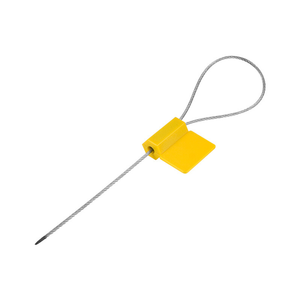
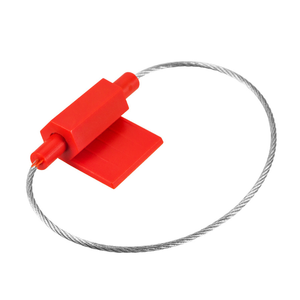
Before we explore the different types, let’s first define what cable seals are. Cable seals are locking devices used to secure containers, doors, and other packaging systems during shipping or storage. Typically made of metal cables and locking mechanisms, these seals are designed to be tamper-evident, meaning any attempt to break or tamper with them will leave visible evidence. They also come with unique serial numbers or barcodes for traceability.
Cable seals are primarily used in the logistics, shipping, and supply chain industries, where the integrity of shipments is essential. They are widely recognized for their strength, reliability, and ease of use.
The Different Types of Cable Seals
Cable seals come in several varieties, each offering specific advantages depending on the application. The two main types of cable seals include standard cable seals, high-security cable seals, and specialized seals designed for particular needs. Let’s take a look at each type in more detail.
1. Standard Cable Seals
Standard cable seals are a more basic form of cable security. These seals consist of a simple steel wire cable and a locking mechanism. They are commonly used for securing non-critical shipments where the security risks are lower. They provide a solid level of protection but are not as resistant to tampering as high-security versions.
Advantages of Standard Cable Seals:
Affordable: Standard cable seals are typically less expensive than high-security variants, making them an excellent option for businesses on a budget.
Easy to Use: They are simple to apply and remove, requiring minimal effort and no special tools.
Versatile: These seals can be used for a variety of packaging applications, from containers to pallets.
Limitations of Standard Cable Seals:
Lower Security: While they offer basic tamper-evident protection, standard cable seals can be more easily bypassed than high-security seals.
Not Suitable for High-Value Shipments: For high-value or sensitive items, standard cable seals may not provide sufficient protection.
Best Used For:
Standard cable seals are ideal for low-risk shipments or domestic shipments that do not require the highest level of security.2. High-Security Cable Seals
High-security cable seals are the most robust type of cable seals available. These seals are designed to provide maximum protection against tampering and unauthorized access. High-security cable seals are often made from stainless steel cables, with enhanced locking mechanisms that are difficult to cut, bypass, or manipulate.
Advantages of High-Security Cable Seals:
Maximum Protection: High-security cable seals meet international standards and regulations, such as those set by the World Customs Organization (WCO). These seals are designed to be resistant to cutting, tampering, and corrosion.
Tamper-Evident: Any attempt to tamper with the seal will cause visible signs of damage, making it easy to identify if the seal has been compromised.
Durable: Made from high-strength materials, these seals are highly resistant to extreme weather conditions and can be used in a variety of environments, including wet, hot, or cold conditions.
Limitations of High-Security Cable Seals:
Cost: Due to their advanced features and durability, high-security cable seals are more expensive than standard seals.
Installation: High-security seals often require a bit more effort and time to apply, as they are designed to ensure maximum security.
Best Used For:
High-security cable seals are ideal for high-value shipments, international shipments, and goods that require the highest level of security and tamper-evident protection.3. Adjustable Cable Seals
Adjustable cable seals are a more flexible option in the cable seal category. These seals feature a metal cable that can be adjusted to fit various container sizes. The locking mechanism is designed to adjust based on the length of the cable, offering a customizable fit for different applications.
Advantages of Adjustable Cable Seals:
Customizable Fit: The adjustable cable allows these seals to fit a wide range of container sizes, from large shipping containers to smaller boxes.
Convenient: Adjustable cable seals can be applied easily and quickly without the need for special tools or equipment.
Versatile: These seals are suitable for various types of packaging, including containers, trucks, pallets, and more.
Limitations of Adjustable Cable Seals:
Lower Security: While adjustable cable seals provide a secure solution for many types of shipments, they may not offer the same level of tamper resistance as high-security seals.
May Be Less Robust: The quality and strength of adjustable cable seals can vary depending on the manufacturer, making it important to choose a reputable provider.
Best Used For:
Adjustable cable seals are suitable for shipments that require a secure fit but do not involve particularly high-risk or high-value items. They are often used for domestic shipments, medium-value goods, or flexible packaging.4. Metal Cable Tie Seals
Metal cable tie seals combine the strength of metal with the convenience of a tie-style mechanism. These seals are commonly used in industries where quick application and removal of the seal are essential. The metal cable tie is passed through a loop and tightened, ensuring that the seal is secure once fastened.
Advantages of Metal Cable Tie Seals:
Fast Application: The tie-style mechanism allows for quick and easy application of the seal without the need for special tools.
Strong and Durable: Metal cable tie seals are made from high-strength metals, providing durability and resistance to tampering.
Affordable: These seals are generally more affordable than high-security seals, making them an economical option for many businesses.
Limitations of Metal Cable Tie Seals:
Not as Secure as High-Security Cable Seals: While they are durable, metal cable tie seals are typically not as secure as high-security cable seals, especially for high-risk shipments.
Best Used For:
Metal cable tie seals are ideal for situations where speed and cost are a factor, and high-security protection is not necessary. They are commonly used for medium-value shipments or for non-critical storage.Best Practices for Using Cable Seals
To maximize the effectiveness of your cable seals, it is essential to follow best practices during application and handling:
Choose the Right Seal: Depending on the value of the cargo, shipping conditions, and regulatory requirements, choose the appropriate type of cable seal.
Ensure Proper Installation: Apply the cable seal correctly by adjusting the cable length and locking it securely. Ensure that the seal is tamper-evident and properly applied.
Inspect Seals Regularly: Conduct regular inspections of your cable seals to check for any signs of tampering or wear. Replace damaged seals immediately to maintain security.
Record Seal Numbers: Keep a log of the serial numbers for each seal applied. This helps with traceability and can provide valuable information if a seal is compromised.
Use Seal Marking: Mark your seals with clear labels or barcodes to enhance traceability, especially for large shipments.
Conclusion
Choosing the right cable seal is an essential step in ensuring the security of your shipments and storage. Whether you opt for standard, high-security, adjustable, or metal cable tie seals, understanding the differences between these types of seals will help you make the right choice for your needs. Following best practices for installation, inspection, and maintenance will further enhance the protection provided by these seals, ensuring that your goods remain secure during transit and storage.
For more information about the best cable seals for your business, visit Foshan Shunde Junyue Plastic Hardware Products Co., Ltd., where we offer high-quality, reliable sealing solutions for all your security needs.
FAQ
Q: What is the difference between a high-security cable seal and a regular cable seal?
A: High-security cable seals are made with stronger materials and have enhanced locking mechanisms to prevent tampering. They meet international security standards, whereas regular seals offer basic protection.Q: Can I reuse cable seals?
A: No, cable seals are designed for single-use only. Once removed, they should be replaced with a new seal to maintain security.Q: How do I know if my cable seal has been tampered with?
A: A tampered cable seal will show visible signs of damage, such as broken cables, altered locking mechanisms, or markings on the seal.Q: Are adjustable cable seals suitable for all types of containers?
A: Yes, adjustable cable seals can fit a variety of container sizes, making them versatile for different shipping and storage needs.