- Home
-
- Industries
-

What Materials Are Plastic Truck Seals Made Of?
Views: 0 Author: Site Editor Publish Time: 2026-02-02 Origin: Site


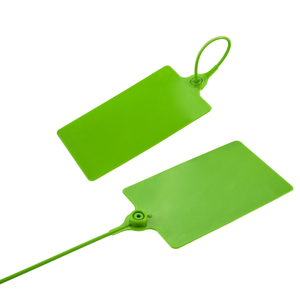
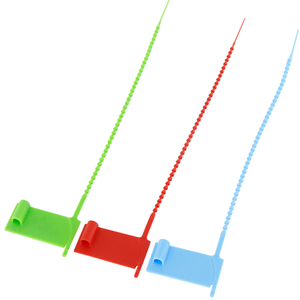
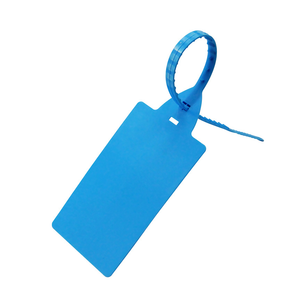
Plastic truck seals play a crucial role in securing shipments and ensuring the safety of goods during transportation. These seals are designed to prevent unauthorized access, providing visible evidence of tampering if the seal is broken. They are essential for industries that require high levels of security, such as logistics, manufacturing, and shipping. The effectiveness of a plastic truck seal depends largely on the materials used in its construction. Common materials used in manufacturing plastic truck seals include polyethylene (PE), polypropylene (PP), nylon, and polyvinyl chloride (PVC). Each material offers unique properties such as flexibility, durability, and resistance to environmental factors, which are important in meeting the diverse needs of different industries. Choosing the right material is vital for ensuring the security, longevity, and cost-effectiveness of the seals.
Materials Used in Plastic Truck Seals
Plastic truck seals are made from a range of materials, each offering unique benefits for different applications. The selection of material impacts the seal's durability, security, and cost-effectiveness. Below are the key materials commonly used in plastic truck seals:
1. Polyethylene (PE)
Properties: Lightweight, flexible, and durable.
Usage: PE is a common choice for general-purpose seals. Its flexibility allows for easy application, and its durability ensures reliable performance in most shipping conditions. It is often used for securing smaller packages and standard shipments.2. Polypropylene (PP)
Properties: Chemical resistance, high tensile strength.
Usage: PP is used in seals that must withstand exposure to harsh chemicals or extreme temperatures. Its superior strength and resistance to wear and tear make it ideal for challenging environments, ensuring security in tougher conditions, such as industrial or chemical transport.3. Nylon
Properties: High strength, wear resistance.
Usage: Nylon is used for heavy-duty applications, where maximum strength and durability are needed. Its resistance to abrasion and impact makes it ideal for securing large containers, trucks, and high-value shipments that require long-lasting protection during long-haul transport.4. Polyvinyl Chloride (PVC)
Properties: Durable, flexible, cost-effective.
Usage: PVC is an economical choice for plastic seals, offering a balance of durability and flexibility. It is often used for standard shipments when cost is a consideration but strength is still necessary. PVC seals are ideal for general-purpose use where long-term performance is required but at a lower cost.5. Combination of Materials
Properties: Optimized strength, flexibility, and cost-efficiency.
Usage: Some seals are made from a blend of materials to combine the best features of each. For example, combining PE for flexibility and nylon for durability creates a seal that is both strong and versatile, suitable for various applications. These combined materials help meet specific needs in terms of security and cost management.Factors Affecting the Choice of Material for Plastic Truck Seals
When selecting the right material for plastic truck seals, several factors come into play. Each factor affects the performance, cost, and suitability of the seal for different applications. The most important considerations include security, durability, and cost-effectiveness.
1. Security
The primary function of a plastic truck seal is to ensure the security of goods during transport. Different materials impact tamper resistance and overall security features. For instance, materials like nylon and polypropylene (PP) are more resistant to physical damage and tampering due to their higher tensile strength and wear resistance. Breakaway seals, made from materials like nylon or PVC, offer visible evidence of tampering, ensuring that unauthorized access is easily detectable. Materials with strong locking mechanisms and tamper-evident designs are essential for securing high-value or sensitive goods, providing peace of mind for both businesses and customers.
2. Durability
Durability refers to the ability of the seal to withstand harsh environmental conditions, such as extreme temperatures, moisture, UV exposure, and physical stress. Polyethylene (PE) and polypropylene (PP) are both known for their resistance to moisture and UV rays, making them suitable for outdoor and international shipments where exposure to the elements is a concern. Nylon, while more expensive, offers exceptional resistance to abrasion, impact, and wear, making it ideal for heavy-duty applications. The chosen material must be capable of maintaining the integrity of the seal throughout the transport process, ensuring that it doesn’t break or degrade under challenging conditions.
3. Cost-Effectiveness
The cost of plastic truck seals can vary significantly depending on the material used. While materials like nylon and PP provide enhanced security and durability, they are also more expensive. For businesses on a tighter budget or for standard shipments that do not require maximum security, polyvinyl chloride (PVC) or polyethylene (PE) may be more cost-effective options. These materials strike a balance between durability and affordability, making them suitable for general shipments where long-term performance is important but the budget is a consideration. By evaluating the specific needs of each shipment, businesses can choose a material that provides the best performance at the most reasonable cost.

Importance of Material Choice in Truck Seals
Choosing the right material for truck seals is crucial for ensuring the security, durability, and cost-efficiency of shipments. The material selected directly impacts the performance of the seal, influencing how well it protects goods during transport. Here's why material choice matters:
1. Impact on Security
The security of a shipment relies heavily on the tamper resistance of the truck seal. Different materials offer varying degrees of strength, which affects how easily the seal can be tampered with. Nylon and polypropylene (PP) are particularly effective at resisting cutting and tampering due to their high tensile strength. These materials create seals that are difficult to break, ensuring that unauthorized access is visibly detectable. Polyvinyl chloride (PVC) and polyethylene (PE), while more flexible and cost-effective, may not provide the same level of tamper resistance, making them better suited for less high-security applications. Ultimately, selecting a strong and tamper-evident material ensures the safety and integrity of shipments, especially when transporting valuable or sensitive goods.
2. Durability
Durability is vital for truck seals to perform reliably throughout the shipping process. Seals need to withstand environmental factors like extreme temperatures, moisture, UV exposure, and rough handling without degrading or breaking. Materials like nylon and polypropylene (PP) offer superior durability, making them ideal for long-term, heavy-duty applications. Polyethylene (PE) and PVC also offer decent durability but are typically better suited for less demanding conditions. Using durable materials ensures that truck seals perform consistently, even in harsh environments, preventing the possibility of seal failure during transit.
3. Cost-Efficiency
While durability and security are important, businesses must also consider the cost of materials when selecting truck seals. High-quality materials like nylon or polypropylene (PP) may come at a higher price, making them less suitable for low-value or bulk shipments where security is less of a concern. On the other hand, PVC and polyethylene (PE) are more affordable options that still offer reliable sealing performance. The key is finding the right balance between cost and quality. For shipments requiring high security or exposure to harsh conditions, investing in more durable materials can reduce long-term costs by preventing tampering and damage. Conversely, for standard shipments, cost-effective options may be more appropriate without sacrificing too much in terms of security or longevity.
Applications of Plastic Truck Seals
Plastic truck seals are widely used to secure various types of shipments, offering different levels of security based on the cargo’s value and sensitivity. Here’s a look at their key applications:
1. Standard Shipments
Purpose: For general cargo and non-sensitive goods.
Plastic seals made from polyethylene (PE) or polyvinyl chloride (PVC) are commonly used for standard shipments like consumer products or retail goods. These seals provide basic tamper-evidence at a cost-effective price, ensuring cargo integrity during transport.2. High-Security Applications
Purpose: For valuable or sensitive items.
For high-value goods like electronics or pharmaceuticals, nylon or polypropylene (PP) seals are ideal. These materials offer enhanced tamper resistance, ensuring that any unauthorized access is easily detectable. Breakaway and adjustable seals are often used for these shipments.3. Heavy-Duty Needs
Purpose: For large containers, trucks, and long-haul shipments.
Plastic cable seals, with a steel cable inside a plastic coating, are ideal for heavy-duty applications. These seals are designed to withstand rough handling and environmental factors, securing large containers or industrial shipments during transit.FAQ
1.What makes nylon an ideal material for heavy-duty plastic seals?
Nylon offers high strength and wear resistance, making it ideal for securing heavy-duty applications like large containers and trucks during transit.
2.Can plastic truck seals withstand extreme weather conditions?
Yes, materials like polyethylene and polypropylene are resistant to UV rays, moisture, and temperature extremes, making them suitable for various weather conditions.
3.How do plastic truck seals enhance security?
Plastic truck seals are designed to be tamper-evident, ensuring that any unauthorized access or tampering is easily detectable, protecting shipments.
4.Are there eco-friendly options for plastic truck seals?
Yes, some manufacturers produce plastic truck seals using recyclable materials or bio-based plastics, offering a more sustainable option for securing goods.
Conclusion
In conclusion, plastic truck seals are made from various materials, each offering distinct advantages tailored to different security needs. Polyethylene (PE) is lightweight and flexible, ideal for standard shipments, while polyvinyl chloride (PVC) offers a cost-effective solution for less demanding applications. Polypropylene (PP) and nylon provide superior strength and resistance, making them perfect for high-security and heavy-duty applications. Plastic cable seals combine strength and durability, ideal for securing large containers or trucks. Choosing the right material is crucial for ensuring the security, durability, and cost-efficiency of shipments. By selecting the appropriate material for each type of cargo, businesses can protect their goods while optimizing transport costs, ensuring both safe and economical transportation.